
 Caleb Turner
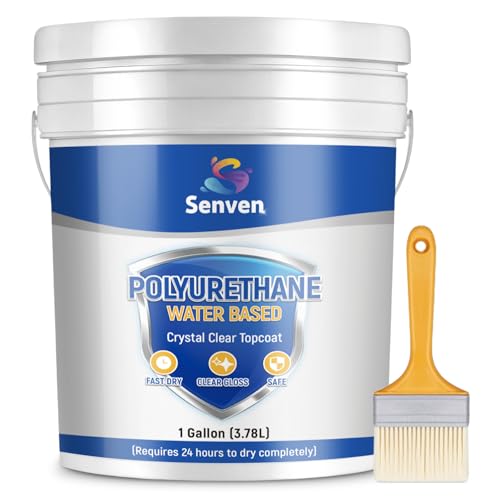
Before beginning the application process, gather high-quality clear coating products designed for painted surfaces, a foam brush or spray gun, and proper ventilation gear. Choose a well-lit area to ensure an even coat and monitor potential imperfections. Start with a test patch on a less visible area to verify compatibility and the desired finish.
Ensure the surface is clean and free of dust or grease. Lightly sanding with fine-grit paper prepares the finish, promoting better adhesion. Wipe down the area with a damp cloth to remove any dust created during sanding. Allow the piece to dry completely before moving on.
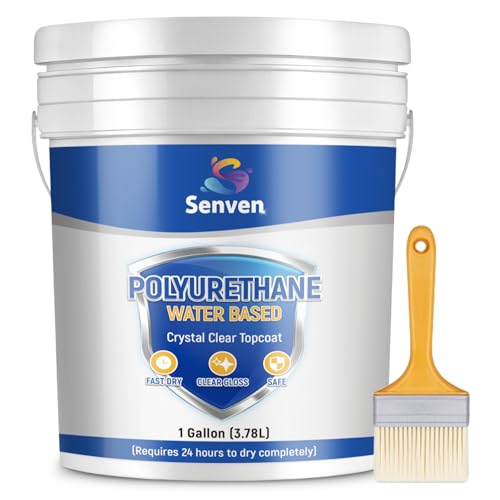


Apply the protective layer in thin, even coats to prevent drips and bubbles. If using a foam applicator, maintain a consistent motion and avoid overworking the area. For those utilizing a spray application, maintain the correct distance from the surface for uniform coverage. Allow each layer to dry fully, following the manufacturer’s instructions, before applying additional coats.
Once the desired number of applications is achieved, allow the piece to cure for the recommended time before use. This step ensures the protective layer hardens, providing maximum durability. Regular maintenance, such as cleaning with mild soap and water, will prolong the item’s life and appearance.
Applying a Clear Coat to Decorated Surfaces
For optimal results, use a high-quality brush or foam applicator to spread the clear layer evenly. Begin in a corner and work your way in a consistent direction to avoid streaks. Maintain a wet edge to prevent lap marks, especially in areas with larger surfaces.
Prior to the application, ensure the underlying layer is fully cured according to the manufacturer’s instructions. Lightly sand the entire area with fine-grit sandpaper to enhance adhesion. This step also helps in achieving a smooth finish by removing any imperfections.
Consider using a product designed for ease of application. A water-based option offers minimal odor and quick drying time, allowing for faster project completion. Once applied, allow sufficient drying time as specified on the product label, then lightly sand again before adding a second coat for durability.
For extra protection, apply a third layer if the surface will experience heavy use. Always follow the manufacturer’s recommendations for the number of coats and drying times. In high-traffic areas, this extra step ensures long-lasting beauty and resistance against wear.
After the final coat, refrain from using or placing any items on the surface for at least a few days to allow a complete cure. This patience pays off, as it maintains both the appearance and integrity of the finish.
Choosing the Right Finish for Your Project
Select a finish based on the specific requirements and conditions of your task. I recommend using a water-based finish for indoor items, as it dries quickly and has lower levels of volatile organic compounds (VOCs). For outdoor applications, an oil-based alternative offers superior durability and weather resistance.
Consider the sheens available. A matte finish obscures imperfections while providing a subtle look, whereas a glossy option highlights the design and adds depth. Satin blends both properties, offering a balanced appearance.
Evaluate the drying time as well. If your schedule is tight, a quick-drying version saves time, allowing for faster application of multiple coats. Conversely, oil-based varieties require longer to cure, but they offer a smoother final result.
Check the compatibility with the existing paint. Some finishes require specific types of base coats for optimal adherence. Conduct a test on a small section to ensure compatibility and desired results.
Review the manufacturer’s recommendations for application methods. Brushes, rollers, or spray guns each provide unique results. A spray application can deliver a smooth, even coat, while brushing might allow for better control in detailed areas.
Finally, prioritize safety by using finishes with low or no VOC levels, especially in enclosed environments. This decision not only protects your health but also ensures a more pleasant working environment.
Preparing the Surface for Polyurethane Application
Begin by ensuring the substrate is clean. Use a damp cloth to remove dust, grease, and other contaminants. Allow the surface to dry completely.
Next, check for imperfections. Sand any rough areas gently using fine-grit sandpaper (220-grit works well) to create a smooth texture. This step is crucial as it promotes adhesion. After sanding, wipe the surface again to eliminate any dust particles.
For optimal results, I recommend applying a primer if the base coat is uneven or blotchy. This will help in achieving a uniform finish. Choose a primer compatible with the top layer for the best outcome.
If there are old finishes present, strip them using a chemical remover. Follow the manufacturer’s instructions meticulously, and work in a well-ventilated area. After stripping, sand again to prepare the surface adequately.
Once prepared, inspect for any residual moisture, as it can interfere with the application. A dehumidifier can assist in maintaining an ideal environment, especially in humid conditions.
In summary, ensure cleanliness, repair any flaws, use a primer when required, strip old layers if necessary, and maintain dryness before proceeding to enhance the final appearance of the coating.
Applying the First Coat of Polyurethane
For the initial application, I choose a high-quality brush or a foam applicator to ensure an even spread across the surface. I dip my brush into the finish, making sure not to overload it. A light touch can help avoid drips and bubbles.
Steps to follow:
- Begin in a corner and work your way out to avoid painting yourself into a spot.
- Use long, even strokes to cover the surface. I apply the product in the direction of the wood grain.
- Keep a wet edge as I move along to prevent visible lines or overlaps.
- If I’m working on a vertical surface, I ensure to keep the brush slightly angled to help control the flow.
After finishing one section, I inspect it closely for any missed spots or imperfections. If I spot any, I touch them up immediately. It’s crucial to avoid any interruptions until a section is completed.
Once done, I set the piece aside to dry for the specified time as indicated on the product label. This usually ranges from 2 to 6 hours, depending on conditions. Ensuring proper ventilation speeds up the drying process.
A light sanding of the surface can follow after the initial coat is dry. I use fine-grit sandpaper to create a smooth base for subsequent layers. This step helps in achieving a polished finish without visible brush marks.
After sanding, I wipe down the surface with a tack cloth to remove dust before beginning the next coat. Following this method allows me to build a strong, protective finish layer by layer.
Sanding Between Coats: Techniques and Tips
Before applying subsequent layers, I always sand lightly to ensure proper adhesion. I recommend using fine-grit sandpaper, typically around 220-grit, as it effectively smooths the surface without compromising the previous coat.
Make sure the previous coat is completely dry. I wait a minimum of 24 hours, but longer is often better, especially in cooler or humid conditions. Rushing this step can result in unsatisfactory results, as sanding damp finishes can lead to a gummy mess.
Technique Details
I use a light hand while sanding, focusing on areas with imperfections or rough spots. A sanding block or sanding sponge helps maintain even pressure and avoids creating flat spots, especially on curved surfaces.
After sanding, I always remove dust thoroughly. I use a damp cloth to wipe the surface, followed by a dry cloth to ensure no residue remains. Dust particles can ruin the new coating, leading to imperfections.
Frequency of Sanding
Typically, I sand between every coat–at least two to three times during the entire finishing process. However, if I switch to a different product or finish type, I ensure to sand adequately for compatibility. Patience during this step guarantees a smoother and more professional-looking final result.
Applying Additional Coats for Optimal Finish
After the initial application has dried, I recommend applying at least two more layers for a durable and aesthetically pleasing surface. Wait 2-4 hours between coats, following the manufacturer’s drying guidelines. This interval prevents issues like smudging or uneven textures.
Tools and Technique
Utilize a high-quality synthetic brush or foam applicator for even coverage. For larger areas, a spray application can yield a smoother finish. Always move in long, even strokes to minimize brush marks. Ensure to cover all corners and edges uniformly.
Considerations for Additional Coats
Before each new coat, assess the previous layer for imperfections. If needed, lightly sand using fine-grit paper (220-320 grit) before applying the next coat. This step not only helps with adhesion but also enhances the final appearance. Make sure to clean the surface thoroughly after sanding to remove any dust particles.
Monitoring the thickness of each application is crucial. A total of three to four coats will lead to a robust and glossy finish, while allowing each layer to cure fully will ensure a resilient and professional-grade outcome.
How to Properly Cure Finish on Woodwork
For optimal results, adhere to specific drying times as indicated by the manufacturer. Typically, touching the surface can be deceiving; it may feel dry but requires more time to cure properly.
Recommended Curing Times
| Type of Finish | Touch Dry | Handle Dry | Complete Cure |
|---|---|---|---|
| Oil-Based | 6-8 hours | 24 hours | 7-10 days |
| Water-Based | 1-2 hours | 4-6 hours | 3 days |
Maintain optimal environmental conditions during drying–temperature should be between 70°F and 80°F, with relative humidity below 50%. Avoid direct sunlight and excessive dust during this time.
Post-Curing Handling
After the initial curing phase, allow for careful handling of the piece. Avoid heavy use for at least two weeks, as the finish will continue to harden. For prolonged durability, consider applying a wax finish after full curing; it enhances the sheen and adds extra protection against scratches.
Maintaining and Cleaning Polyurethane Finished Furniture
To keep surfaces in top shape, regular upkeep is necessary. Use a soft cloth dampened with a mild soap solution for everyday cleaning. Avoid harsh chemicals and abrasive materials that might damage the sleek finish.
After cleaning, dry thoroughly with a soft, lint-free cloth to prevent water spots.
For deeper cleans, mix equal parts of vinegar and water. Dampen a cloth and gently wipe the surface, following with a dry cloth. This technique can effectively remove fingerprints and smudges without harming the finish.
Here are additional cleaning dos and don’ts:
| Do | Don’t |
|---|---|
| Use a microfiber cloth | Use steel wool or scouring pads |
| Avoid soaking the surface | Use ammonia-based cleaners |
| Dust regularly with a soft, dry cloth | Ignore spills or stains |
In case of damage, touch-up markers or repair kits specific to the finish can restore minor scratches. For larger issues, sanding and reapplication of the protective layer may be necessary. Regular inspection and prompt action could extend the lifespan significantly.
Finally, maintain a stable environment. Extreme humidity and temperature changes can affect the material’s integrity. Keep surfaces away from direct sunlight to prevent fading.


