Caleb Turner

To achieve striking images of your items, ensure that natural light illuminates your space. Position pieces near windows during daylight hours to enhance texture and color, avoiding harsh shadows. If direct sunlight is too intense, use sheer curtains to diffuse the light, creating a soft glow that highlights details.
The background plays a critical role in showcasing your products. Opt for neutral tones or simple patterns that won’t compete with your items. A clean, uncluttered environment directs attention to the features and design of each piece, ultimately attracting potential buyers.
Angle the camera to present the item in its best light. Capture images from multiple perspectives–front, side, and top views–to provide a comprehensive understanding of the shape and function. Ensure that you include close-ups of unique features, such as intricate details or quality finishes, which can add value in the eyes of prospective customers.

Utilize a tripod or stable surface to minimize any shake or blur in the images. Consistency is key; maintaining uniform lighting and framing across all photos will create a cohesive look in your listings, making them more appealing to buyers. After shooting, consider basic editing to enhance brightness or contrast, ensuring every shot is polished and professional.
Effective Techniques for Capturing and Showcasing Home Decor Items
Choose natural lighting to enhance the aesthetic appeal of each piece. Position the item near a window where soft, diffused light can illuminate the surfaces without harsh shadows.
Utilize a tripod to maintain stability and ensure sharpness in images, especially in lower light conditions. This equipment allows for longer exposure times without camera shake, leading to clearer photographs.
Frame the subject carefully. Use the rule of thirds to compose the image. Place the focal point slightly off-center to create a dynamic visual interest.
Experiment with different angles to portray the item in its best light. Capturing several perspectives, such as straight on, from above, and at an angle, provides potential buyers with a comprehensive view.
Include detail shots that highlight craftsmanship or unique features. Close-ups of textures, finishes, or intricate designs can help convey quality and care in construction.
Incorporate minimal props or staging that complements the piece without overwhelming. A simple plant or a book can provide context, but these items should not distract from the main focus.
The background should be uncluttered and neutral to emphasize the item. A plain white or light-colored backdrop eliminates distractions and helps the product stand out.
Use consistent editing techniques for a cohesive look across images. Adjust brightness, contrast, and color balance uniformly to ensure that all pictures share a similar aesthetic.
Consider creating a small table of your favorite editing software tools and their key features:
| Software | Key Feature |
|---|---|
| Adobe Lightroom | Batch editing capabilities |
| Canva | User-friendly interface |
| Snapseed | Selective adjustments |
| Photoshop | Advanced retouching tools |
Review your images before finalizing the selection. Ensure clarity, composition, and lighting meet your standards. Quality visuals contribute significantly to interest and trust from potential buyers.
Choose the Right Location for Your Shoot
Focus on a well-lit area. Natural light is your best ally; position your setup near a window during the day. Avoid harsh shadows and overly bright spots by selecting a time when the sun is softer, such as late morning or early afternoon.
Utilize clean, uncluttered backgrounds. The setting should not distract from the main item. Neutral walls or simple, complementary backgrounds work best to highlight the piece. A plain floor can also enhance the overall aesthetic.
Consider the space’s atmosphere. A cozy living room or an airy outdoor patio can tell a story about your item, creating a connection with potential buyers. Think about the context in which your item will be used.
Experiment with angles and distances. A wider shot can showcase how the piece fits into a room, while close-ups highlight details and craftsmanship. Variety in your images captures attention more effectively.
Pay attention to surroundings. Remove any personal items or distractions that might be present. The goal is to keep the focus solely on the item you want to showcase.
Make adjustments as needed. If the lighting changes or your initial setup doesn’t work as envisioned, don’t hesitate to reposition your subject or your camera angle until you achieve the desired outcome.
Optimize Lighting Conditions for Best Results
Position your subject near a source of natural light, such as a window, during the golden hours–early morning or late afternoon. This allows soft, diffused light to illuminate the piece, minimizing harsh shadows.
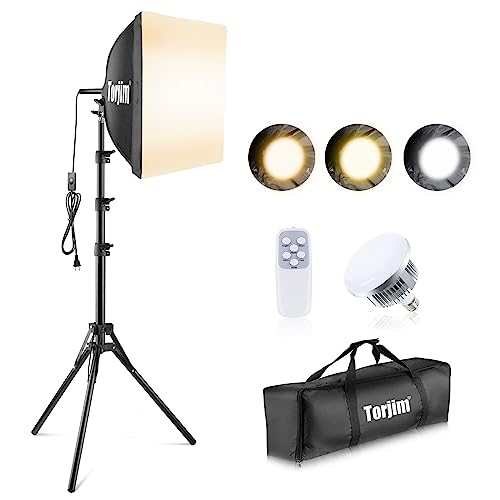
For interiors lacking adequate daylight, utilize LED softboxes or diffusers. These can simulate natural light and provide even illumination. Avoid overhead fluorescent fixtures that cast unflattering colors.
Use reflectors to bounce light onto darker areas of the item. A simple white board or even a piece of foil can enhance brightness and reduce shadows effectively.
Avoid direct sunlight to prevent glare and overexposed highlights. If working outside, choose a shaded area where the light is more uniform, achieving a balanced look.
Experiment with different angles to see how light interacts with textures and finishes. This adds depth and highlights intricate designs. Take test shots to determine the best settings for your camera, adjusting exposure and white balance as necessary.
For evening shoots, incorporate additional lighting sources, ensuring a warm tone to maintain the piece’s aesthetic. Soft ambient lights or strategically placed lamps can enhance visual appeal.
Conduct a thorough review of your images, focusing on the mood created by light. Adjust your approach if necessary, ensuring your final visuals resonate with potential buyers.
Select Appropriate Camera Settings and Equipment
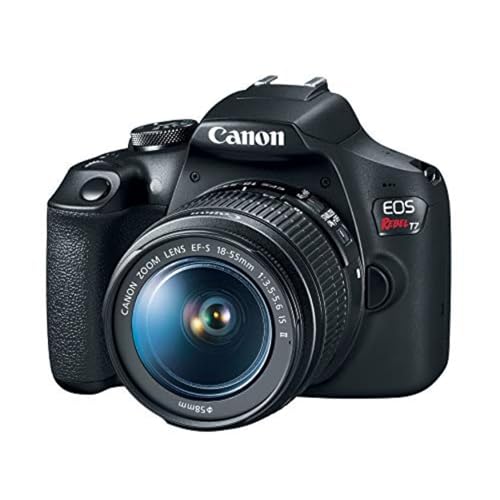
I recommend using a DSLR or mirrorless camera with a versatile lens for capturing detailed images. A focal length of 35mm to 50mm is ideal as it provides a natural perspective. For optimal clarity, set the aperture between f/8 and f/11. This range creates a sharp depth of field, ensuring the entire piece is in focus.
Adjust the ISO to 100 or 200 to minimize noise, particularly in well-lit conditions. If the light levels drop, increase the ISO only as needed, keeping in mind that higher values may introduce grain. Utilize a tripod to stabilize the shot, allowing longer exposure times without blurriness.
For shutter speed, aim for 1/60 seconds or faster to freeze motion if you’re moving around the subject. If using slower speeds, ensure the camera is steady and the subject is stationary. Experiment with white balance settings; try using the daylight setting or adjust manually to match the light source for true color representation.
Additionally, I suggest investing in a polarizing filter. This accessory reduces glare and reflections, enhancing the texture and color of the material. Carry remote shutter releases or utilize the camera’s timer to eliminate vibrations caused by pressing the shutter button.
Finally, consider using a smartphone with a high-quality camera if professional equipment isn’t available. Most modern smartphones allow manual adjustments. Utilize natural light and ensure the focus is sharp and the details are clear. Keep the lens clean for best results.
Style and Arrange Items for Attractive Composition
Begin by selecting a focal point. This can be a unique piece that draws attention, setting the stage for the rest of the setup. Position this feature centrally, allowing other elements to complement rather than overshadow it.
Consider the balance within the frame. Place items of varying heights strategically to create a dynamic look. Taller pieces should be positioned at the back or to one side, while shorter items fill in gaps, leading the viewer’s eye across the composition smoothly.
Color Coordination
Choose a palette that harmonizes well. Use neutral backgrounds to enhance the natural colors of the objects. Incorporate a few accent pieces in complementary shades to inject interest without overwhelming the viewer.
Textures and Layers
Layer various textures to add depth. Mix materials such as wood, metal, or fabric. The contrast draws attention, encouraging a more engaging visual experience. Ensure that these elements don’t compete for focus, but rather enhance one another.
Edit Photos to Enhance Visual Appeal
Use photo editing software to refine images for better allure. Adjusting brightness and contrast can make details stand out. Employ tools such as cropping to highlight the piece while eliminating distractions in the background.
- Color Correction: Tweak saturation and hue to reflect true colors. This makes your items more appealing and accurate.
- Sharpening: Apply sharpening to enhance edges and details, giving products a polished appearance.
- Adding Filters: Use filters sparingly. They can create a mood but should never overshadow the item itself.
- Background Removal: Consider using a plain or blurred background to keep the focus on the main subject.
Save files in high resolution to ensure clarity in both online and print formats. Experiment with different formats like JPEG or PNG depending on the platform you are using.
- Review edits on various devices to ensure consistency across screens.
- Connect with other sellers or groups for feedback on your edited images. Constructive critiques can guide improvements.
Ultimately, subtle adjustments can lead to a significant enhancement in the appeal of the imagery, making it more enticing to potential buyers.
Market Your Photos on the Right Platforms
Maximize exposure by utilizing platforms that cater specifically to home decor and furniture enthusiasts. Consider these options:
- Social Media: Leverage Instagram and Pinterest. Create engaging posts and pins with relevant hashtags to reach your target audience.
- Online Marketplaces: List your creations on websites like Etsy, eBay, or local classified sites such as Craigslist. Use high-quality visuals as primary images to attract potential buyers.
- Specialized Design Sites: Share images on platforms like Houzz or Decorilla. These sites target audiences actively seeking inspiration and purchases.
- Personal Website: Build a simple webpage to showcase your work. Optimize it for search engines using keywords related to your offerings.
- Blogging: Write articles or create content around design tips or trends. Incorporate your images to establish expertise and drive traffic.
Engagement Strategies
Engage your audience by encouraging interaction.
- Host Giveaways: Promote engagement by offering a free item or a discount on future purchases.
- Collaborations: Work with influencers or bloggers in the design niche to expand your reach.
- Feedback Requests: Ask followers for opinions on styles or colors, fostering community and interest in your offerings.
Consistently analyze which platforms yield the best results and adjust strategies accordingly to enhance visibility and increase sales potential.