
 Caleb Turner

Choosing a high-quality primer is critical to achieving that desired finish. I recommend a shellac-based primer for optimal adhesion and coverage, especially when transforming darker pieces. Apply it evenly to ensure no spots remain uncoated. This will serve as the foundation for your final layer.
Once the primer is dry, select a creamy, soft tone that will give those cherished items a fresh life. A matte or satin exterior paint works best, creating a gentle sheen that enhances the wood’s natural texture without overpowering it. Use a synthetic brush to apply the coat, ensuring that each stroke is consistent and even.


For that authentic distressed appearance, lightly sand areas on the edges after the top coat has fully cured. This technique allows the underlying color of the wood or primer to show through, creating depth and character. Finish with a protective topcoat, such as polyurethane, to guard against scratches and wear over time.
Techniques for Achieving a Distressed Off-White Finish
I recommend beginning with a clean surface by wiping down the item to remove dust, grime, or grease. A light sanding with fine-grit paper helps to create better adhesion for the upcoming layers. Choose a high-quality primer to apply a base coat that allows the top finish to adhere properly. This also prevents any stains or knots from bleeding through the new finish.
For achieving that desirable aged look, select a chalk-style product, which generally offers a matte finish suited for vintage aesthetics. Apply the first coat evenly, ensuring to reach all nooks and crannies. After the application, allow this coat to dry thoroughly according to the manufacturer’s instructions. A second coat might be necessary for an even appearance.
Once dry, use fine-grit sandpaper to distress specific areas, focusing on edges and corners where natural wear would occur. Pay attention to your pressure; the goal is subtle aging rather than exposing the underlying material. Afterward, consider adding a wax or clear coat for added protection and to enhance the finish with a soft luster.
Experiment with dry brushing techniques using a slightly different tone of the same color to create depth. This technique involves lightly dipping the brush and removing excess paint, allowing for a gentle touch when applied. It adds character without overwhelming the initial coat.
For a uniquely personalized touch, consider adding stencils or transfers before sealing with a protective layer. This adds an artistic flair while preserving the charm of an eco-friendly approach to design. Lastly, patience is vital; take time between steps for optimum results.
Choosing the Right Type of Paint for Wood Furniture
Selecting the appropriate coating is crucial for achieving a lasting finish. I recommend using high-quality acrylic or chalk-based products. These offer excellent adhesion and durability on surfaces.
- Acrylic Paints: These are water-based, dry quickly, and provide a smooth finish. They are easy to clean up with soap and water, making them a practical choice.
- Chalk Paints: Known for a matte appearance, these allow for a vintage look with minimal surface preparation. Chalk options adhere well without extensive sanding.
Consider the level of sheen too. A satin or eggshell finish often complements the aesthetic while adding some durability. If I need a more distressed look, I opt for a flat or matte variant.
- Ensure the selected type is suitable for your specific project, factoring in use and exposure.
- Check for low VOC (volatile organic compounds) labels to promote a healthier environment during application.
Testing a small area before fully applying is wise. This way, I can confirm color and coverage meet expectations before proceeding.
Preparing Your Wood Surface for Painting
Ensure the surface is clean and free from dust or grease. I recommend using a mixture of warm water and mild soap to wipe it down, then allow it to dry completely.
Inspect for imperfections. Any scratches or dents should be sanded down using medium-grit sandpaper. Follow with fine-grit sandpaper to achieve a smooth texture.
For older pieces with a glossy finish, I recommend lightly scuffing the surface to enhance adhesion. This can be done with a sanding sponge or fine sandpaper. Ensure to remove any sanding dust afterward with a tack cloth.
If the item has any previous finishes, consider using a chemical stripper for a thorough clean. Follow the manufacturer’s instructions carefully and always wear protective gear.
Apply a primer suited for porous materials. This aids in even application and prevents stains from bleeding through. Allow it to cure as per the guidelines on the product label.
Taking these steps ensures a solid foundation for the finishing touches you desire, allowing for an even and long-lasting result.
Applying the First Coat of Rustic White Paint
Before I begin applying the first layer of the creamy finish, I ensure the room is well-ventilated. Using a high-quality synthetic brush, I dip it lightly into the chosen mix, tapping off excess to prevent drips. It’s crucial to work in manageable sections, about two feet at a time, to maintain a wet edge.
Starting at the top and moving downward, I apply an even, smooth coat, paying attention to the corners and intricate details, where accumulation can occur. Quick, straight strokes help in achieving a uniform application without leaving brush marks.
If the piece has any intricate carvings or textures, I switch to a smaller brush or a foam applicator to ensure thorough coverage in those areas. I take care not to overwork the surface, allowing the product to flow naturally.
Once I finish a section, I inspect it for any unevenness or missed spots. If needed, I touch up those areas while the finish is still wet to avoid lines. I apply the first layer without rushing, as patience pays off with a smooth, appealing outcome.
After covering the entire piece, I allow it to dry completely according to the manufacturer’s recommendations. Depending on humidity and temperature, this usually takes a few hours. I make sure to check the surface for any imperfections before proceeding to the next coat.
Once dried, I lightly sand the surface with fine-grit paper to ensure proper adhesion for the subsequent layer, erasing any dust particles or imperfections that may have formed. By following this careful approach, I set a solid foundation for a beautiful finish.
Techniques for Distressing the Painted Surface
To achieve the desired distressed effect, I first select the right tools: sandpaper with varying grits works well for this purpose. Start with a medium-grit paper to gently scuff the edges and corners. I focus on areas that naturally experience wear and tear, such as table edges or chair legs, creating an authentic, aged look.
Another method involves using a damp cloth to wipe specific areas after the top layer has dried. This helps in removing some of the finish and revealing the underlying color or texture, enhancing the depth of the finish. I find that using a natural sponge can create subtle textures, enhancing the aged appearance.
I also experiment with a wet distressing technique, where I apply a light mist of water to areas before sanding. This allows for more control and a smoother blend between layers. Here, a light touch is crucial; I aim to create a soft, worn effect rather than harsh scratches.
Sometimes, I incorporate a glaze or tinted wax after distressing for added depth. Applying a glaze with a brush and then wiping off the excess can enhance the details of the distressing. I particularly like how this can emphasize the contours and grain of the material.
Finally, sealing the result with a clear protective topcoat ensures longevity. I use a matte or satin finish to maintain the rustic charm. Applying it with a soft brush helps preserve the texture achieved through distressing while protecting the piece from damage.
Sealing and Protecting Your Finished Furniture
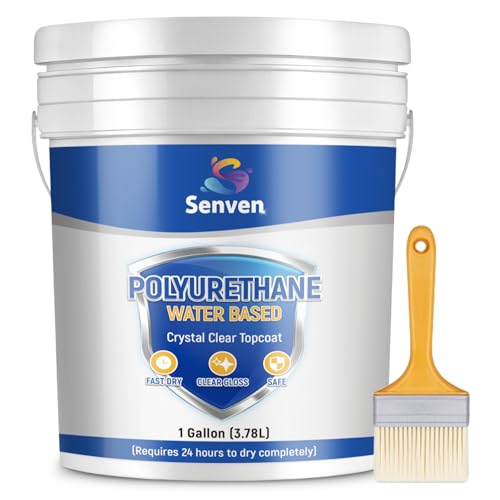
Select a high-quality topcoat to shield your completed project from wear and moisture. I recommend using a water-based polyurethane for a durable finish that won’t yellow over time. Apply the sealant with a clean brush or foam applicator to ensure an even coat, working in the direction of the grain.
Application Steps
First, wait at least 24 hours after painting before applying the sealant. Lightly sand the surface with fine-grit sandpaper to promote adhesion, then clean off any dust with a damp cloth. Follow the manufacturer’s instructions regarding drying times, usually allowing sufficient ventilation.
I prefer to apply at least two to three thin layers of sealant. Allow each coat to dry completely before lightly sanding again. This method will enhance the durability and give a smooth finish. After the final coat dries, you’ll enjoy a beautifully protected surface that retains the desired aesthetic.
Additional Tips
Consider using a mildew-resistant additive in your sealant if your item will be exposed to moisture frequently. For an additional layer of protection against scratches and stains, I also suggest applying a furniture wax or topcoat polish periodically to maintain the sheen and prevent dulling.
Regular maintenance, such as using coasters and cleaning with mild soap and water, will prolong the life of your piece. By taking these extra steps, your creation will remain looking fresh for years to come.
Maintaining the Rustic Finish Over Time
To preserve the charm of your pieces, regular care is necessary. I recommend dusting with a soft cloth weekly to prevent dirt accumulation. For deeper cleaning, use a mixture of mild soap and water, and always dry thoroughly afterward to avoid moisture damage.
Periodic Touch-ups
Inspect the surfaces every few months for any signs of wear. A light touch-up can refresh the look without requiring a full overhaul. Simply apply a small amount of the same creamy hue and blend it in to match the surrounding area.
Protective Measures
Consider placing coasters or mats underneath items to prevent scratches. For areas subject to sunlight, sheer curtains can reduce fading. If a piece is near heat sources, a barrier can help mitigate temperature fluctuations that could cause cracking.
| Task | Frequency |
|---|---|
| Dusting | Weekly |
| Deep cleaning | Monthly |
| Touch-up | Every 3-6 months |
| Inspection for wear | Every 3 months |
By following these guidelines, I maintain the beauty and integrity of my cherished pieces, ensuring they continue to add warmth and character to my space for years to come.
FAQ:
What materials do I need to paint wood furniture rustic white?
To achieve a rustic white finish on wood furniture, you will need several materials. Primarily, you will need sandpaper or a sanding block to prepare the surface by smoothing it out. Next, gather a primer that is suitable for wood, which will help the paint adhere better and improve the finish. For the actual painting, choose a high-quality chalk paint or a water-based acrylic paint in white. You will also need a paintbrush, a foam roller for larger surfaces, and a clear sealer or topcoat to protect your newly painted furniture. Additional items like cloths for cleaning, painters tape for protecting areas you don’t want to paint, and drop cloths to protect your workspace are also recommended.
How do I prepare my wood furniture for painting?
Preparing wood furniture for painting is crucial for a smooth finish. Start by cleaning the piece thoroughly to remove any dust, dirt, or grease. Next, sand the surface using medium-grit sandpaper to create a key for the paint to adhere to. If the furniture has a glossy finish, sand it down more aggressively to dull the surface. After sanding, wipe down the furniture with a damp cloth to remove any dust particles. If your furniture has a lot of imperfections, you may want to apply a wood filler and sand it again once dry. Finally, applying a coat of primer is recommended, as this will help create a more uniform base for your rustic white paint.
What techniques can I use to achieve a rustic finish?
There are several techniques to achieve a rustic finish when painting wood furniture. One popular method is to use a distressing technique. After painting the furniture with your rustic white paint, you can lightly sand certain areas to reveal the wood underneath, giving it a weathered look. Another technique is layering different shades; you might start with a beige or light gray undercoat, followed by the white paint, and then sand it down to expose some of the base color. You can also consider using a glaze or wax after painting to enhance the rustic aesthetic. Applying these products strategically allows for a deeper, more textured finish.
How long does it take for the paint to dry before applying a second coat?
The drying time for paint can vary based on several factors, including the type of paint used, environmental conditions, and the thickness of the application. Generally, chalk paint can take about 30 minutes to 1 hour to become touch-dry. However, it’s best to wait at least 2 to 4 hours before applying a second coat to ensure that the previous layer has fully cured. If you are painting in a humid environment, drying times might be longer. Always refer to the manufacturer’s instructions for specific drying times for the paint you are using.
Do I need to use a sealer after painting my furniture?
Using a sealer after painting your furniture is highly recommended, especially if you want to protect the finish and ensure durability. A clear sealer, such as a water-based polyurethane or wax, can provide a protective layer that helps resist scratches, stains, and general wear. When choosing a sealer, consider the sheen you prefer; matte finishes tend to enhance the rustic look while providing protection. Apply the sealer according to the manufacturer’s instructions, ideally waiting until the paint has fully cured before applying the first coat of sealer. This additional step will contribute to the longevity of your rustic white furniture.
What supplies do I need to paint wood furniture rustic white?
To achieve a rustic white finish on wood furniture, you will need several supplies. First, gather your painting materials: a high-quality primer suitable for wood, chalk paint or acrylic paint in a rustic white shade, and a protective topcoat like polyurethane or wax. For application, you’ll require brushes in various sizes, a foam roller for larger surfaces, and sandpaper or a sanding block for surface prep. Additionally, have a drop cloth or newspaper ready to protect your workspace, as well as painter’s tape to ensure clean edges. Don’t forget to wear a mask and gloves for safety while working with paint and chemicals.


