
 Caleb Turner

For an effortless makeover, opt for high-quality formulation that adheres to glossy surfaces. Begin by cleaning the item thoroughly to eliminate dust and grease, ensuring proper adhesion. A light sanding is your next move, creating a better grip for the coating.
Choosing the right hue is crucial; muted tones or pastel shades work brilliantly for a soft, vintage effect. A brush or roller can be utilized for even application, but remember to work in thin layers to avoid drips. Allow each coat to dry completely before applying the next, typically within one to two hours.
Once the desired opacity is achieved, sealing the finish with a wax or matte topcoat adds durability and enhances the aesthetic. Expect the revitalized surface to not only look stunning but also withstand daily wear and tear effectively.


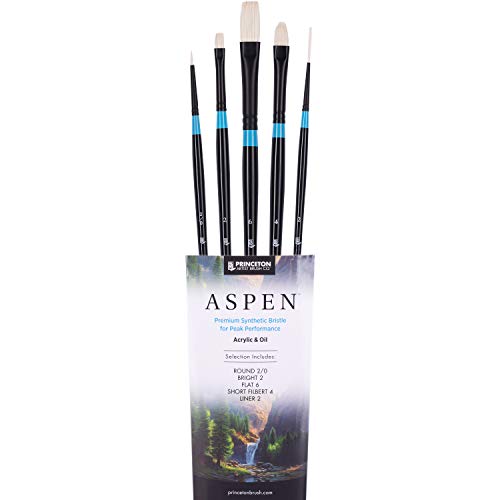

Guidelines for Refinishing Veneered Items Using Specialty Coating
Ensure the surface is clean and free from dust or grease before beginning. For best results, I apply a coat of primer specifically designed for challenging finishes. This step enhances adhesion and creates a more uniform base for the subsequent coating.
Using a high-density foam roller or a quality brush is crucial for achieving a smooth application. I prefer applying thin, even layers to prevent drips and ensure thorough coverage. Allow each layer to dry completely, which typically takes about 1-2 hours, and lightly sand between coats with fine-grit sandpaper to ensure proper bonding.
Adding a protective topcoat is advisable after the final layer has dried. A water-based sealant preserves the finish and extends durability. I recommend waiting several days before placing items on the piece to ensure full curing of all applied layers.
Finally, for a distressed look, I consider sanding specific edges or areas after the last coat. This technique highlights the underlying texture, adding character to the piece. Experimenting with different techniques will yield unique results, making each creation truly one-of-a-kind.
Choosing the Right Chalk Paint for Veneer
Select a formulation designed for non-porous surfaces. Look for options marketed specifically for laminate or synthetic materials. These will adhere better and reduce the chance of peeling or chipping.
Consider the finish; a matte or eggshell sheen often works best for a vintage style. If a glossy look is desired, verify that the product is suitable for top coats to achieve the desired shine.
Check the color range carefully. Some brands offer a limited palette while others provide an extensive selection, which can enhance customization. Testing samples on a small area always informs final choices.
Next, evaluate drying times and ease of application. Some formulations dry quickly and require fewer coats, while others might need more layers. Reference user reviews for practical feedback on how well different brands perform during projects.
Do not overlook the environmental impact; eco-friendly options exist that minimize harmful fumes. Choosing low-VOC or zero-VOC variants promotes a healthier workspace.
Lastly, consider compatibility with sealants. Ensure the chosen product works well with your preferred protective finish to extend longevity and durability.
Preparing Veneer Furniture for Painting
Remove any hardware, such as handles or knobs, to ensure clean lines and access to all surfaces. Clean the entire surface thoroughly using a mild detergent solution and a soft cloth, removing dust, grease, and grime that could interfere with adhesion.
Inspect for any imperfections, such as scratches or dents. Fill these gaps with wood filler, allowing it to dry completely before sanding the area smooth. Use fine-grit sandpaper to lightly sand the surface, which helps the new layer adhere better.
After sanding, wipe down the piece with a damp cloth to eliminate dust particles. If the surface is glossy, consider applying a primer designed for slick finishes. This step enhances adhesion and promotes durability in the final appearance.
Ensure the workspace is free from dust and contaminants. Adequate ventilation is key to facilitate drying and reduce odors during the process. Lay down a drop cloth to protect the surrounding area from any potential spills.
Essential Tools for Your Project
The right instruments can make a significant difference in the outcome. Start by gathering a quality brush, preferably a flat or a round one, which helps achieve smooth strokes and even coverage. Look for a bristle brush designed for specialty coatings to enhance adhesion to different surfaces.
An alternative to a brush is a foam roller, which is ideal for larger areas, providing a quick application and a smooth finish. Choose a short-nap roller to prevent excess texture.
Preparation Gear
Don’t underestimate the importance of prepping supplies. A sanding block or fine-grit sandpaper is necessary to create a more receptive surface by lightly roughing it up. A clean, damp cloth will remove dust and debris afterward, ensuring proper adhesion.
To protect surrounding areas and keep your workspace tidy, invest in painter’s tape and drop cloths. These items will aid in achieving clean edges and prevent accidental marks on adjacent surfaces.
Finishing Touches
After the application stage, having a clear topcoat will seal your work. Choose a wax or a water-based sealer based on your final aesthetic goal. A soft cloth for buffing will ensure a polished look. Finally, remember to have your patience and a clean workspace ready–both will contribute to a successful transformation.
Applying the First Layer of Chalk-Based Color
I begin by selecting my brush; a flat synthetic bristle brush offers great coverage for broad areas, while a round brush works wonders for edges and intricate details. After mixing the product well, I dip the brush lightly into the mixture, ensuring to avoid overloading it.
With a steady hand, I apply the first layer, starting from one corner and working my way across in even strokes. I maintain a wet edge to prevent lap marks, overlapping slightly with previous strokes. It’s important to use a light pressure to avoid pulling up the underlying layer. For best results, I focus on small sections at a time, allowing the texture to naturally flow without clumping.
Utilizing Proper Technique
When covering intricate areas, I switch to a smaller brush, utilizing a stippling motion to fill any gaps. This ensures that no details are overlooked. I keep an eye out for drips, especially at corners and curves; if I see any accumulating, I gently smooth them out with the brush before they dry.
After the first coat, I step back and assess the coverage. It’s common for the initial layer to appear uneven or patchy. I allow it to dry fully–this often takes about one to two hours–before deciding if a second coat is necessary to achieve a uniform finish.
Tips for Achieving a Smooth Finish
Ensure the surface is thoroughly clean and free from dust or grease prior to commencing. I use a mild detergent solution to wipe down the area. Once cleaned, allow it to dry completely.
Consider lightly sanding the surface with fine-grit sandpaper. This step promotes adhesion and makes achieving a sleek texture easier. Wipe away any dust afterwards.
Use a Quality Brush or Roller
Selecting the right applicator is crucial. I prefer a high-quality synthetic brush for tight corners and detailed areas, ensuring even strokes. For larger flat surfaces, a foam roller works wonders, producing a smooth layer.
Thin Layer Application
Applying thin coats is key. I apply the mixture sparingly, allowing each layer to dry completely before adding another. This method prevents drips and an uneven finish while allowing better control over the texture.
Lastly, consider a light final sanding between coats. It removes any imperfections and gives a refined touch before the last application. Happy refinishing!
Adding Texture and Character
I recommend exploring various techniques to introduce depth and uniqueness to your surfaces. Consider using a dry brush technique to lightly apply a contrasting hue over the primary color. This method highlights raised areas and adds an aged appearance.
Layering Techniques
Layering different shades of colors can create a mesmerizing visual effect. Begin with a base coat, allow it to dry, then apply a second color sparingly, focusing on edges and intricate details. This approach can enhance the dimensionality of the piece.
Using Various Tools
Experiment with different tools such as sponges, rags, and brushes to achieve distinct textures. A sponge can add a soft, mottled finish, while a brush allows for controlled strokes and lines. For a more rustic look, try using sandpaper lightly after the top layer dries to reveal some of the previous coat underneath.
Don’t overlook the power of stencils. Applying patterns on select sections can infuse a personal touch. For added character, consider distressing the surfaces once everything is dry. Lightly sanding corners and edges will give your piece an inviting, well-loved appearance.
Finally, seal everything with a matte or satin topcoat to protect your work while maintaining the tactile quality of the textures you’ve created. This step is essential for ensuring durability while allowing the character to shine through.
Sealing Your Painted Veneer Furniture
After finishing the application of your selected coating, it’s critical to ensure protection. A good seal will enhance durability and maintain the appearance of your item.
Choosing the Right Sealant
- Polycrylic: This water-based option is ideal for ensuring a clear finish without altering the base color. It’s great for interior uses.
- Wax: Applying a wax coating adds a soft sheen and feels pleasant to the touch. It requires periodic reapplication but provides a natural look.
- Oil-based Sealers: For those seeking a more robust defense, oil-based options offer excellent protection against scratches and spills.
Application Process
- Ensure the surface is completely dry before applying any sealant. This prevents trapping moisture and affecting the finish.
- Use a high-quality brush or foam applicator for smooth, even coverage. A fine grade pad can also be employed for wax applications.
- Apply the sealant in thin layers. Allow each coat to dry thoroughly before adding another. Typically, two to three coats provide sufficient protection.
- For wax, buff the surface after application to achieve the desired shine and smoothness.
Regular maintenance and occasional touch-ups will help extend the life of your item, ensuring it remains beautiful and functional for years to come.
Creative Techniques for Customizing Your Look
For a unique touch, consider using a stencil pattern. I often create my own designs by printing patterns on paper and cutting them out. Position the stencil on the surface and use a sponge applicator to dab the secondary hue precisely. This adds a personal flair without overwhelming the base coat.
Layering Colors
Experimenting with layering multiple shades adds depth. I apply a base coat and allow it to dry completely. Then, I lightly sand the edges to reveal the layer beneath, creating a distressed appearance. This technique lends character and highlights the craftsmanship of the piece.
Using Washes and Glazes
Applying a diluted wash can soften bold colors. I mix the chosen tint with water, then brush it over the dried surface. Wiping it off in sections gives a translucent effect, revealing the color underneath while enhancing the texture. A glaze can also be used for a slight sheen, adding an elegant finish.
| Technique | Description |
|---|---|
| Stencil Patterns | Create custom designs by cutting out shapes and using a sponge to apply secondary colors. |
| Layering | Apply multiple shades, sanding edges to achieve a distressed look. |
| Washes | Dilute paint with water for a translucent effect that enhances underlying colors. |
| Glazing | Apply a clear or tinted glaze for added sheen and depth. |
Incorporating these techniques can elevate any project, making it uniquely yours. Experimentation is key, so don’t hesitate to play with different combinations to achieve your desired aesthetic.
Caring for and Maintaining Chalk Finished Surfaces
To preserve the beauty and durability of your newly transformed surfaces, regular cleaning using a soft, damp cloth is crucial. Avoid abrasive materials that can scratch or damage the finish.
Cleaning Recommendations
For deeper cleaning, a mild soap solution can be effective. Ensure to rinse with clean water and dry thoroughly to prevent moisture from seeping into the layers. Limit exposure to direct water, especially on edges and seams, to maintain integrity.
Long-Term Maintenance Tips
Periodic reapplication of a protective wax or topcoat will enhance longevity and add a fresh layer of protection against wear. Look for products specifically designed for protective care. Additionally, avoid placing heavy objects directly on these surfaces to prevent dents and scratches.
Regularly assess for any chips or wear, addressing these immediately to prevent further damage. Keeping an eye on the finish will help maintain the aesthetic appeal and functionality of your embellished items.
FAQ:
What is chalk paint, and why is it recommended for painting veneer furniture?
Chalk paint is a type of paint that has a matte finish and a chalky texture, making it ideal for furniture projects. It adheres well to surfaces without the need for extensive prep work, which is especially beneficial for veneer furniture that can be sensitive to harsh treatments. The paint allows for easy application and can create a beautiful, aged, or distressed look, which many people find appealing.
Do I need to sand veneer furniture before painting with chalk paint?
Generally, sanding is not necessary for chalk paint, as it can adhere to smooth surfaces quite well. However, if your veneer furniture has a glossy finish or any imperfections, lightly sanding it can help the paint grip better. Use a fine-grit sandpaper to avoid damaging the veneer. After sanding, wipe down the surface to remove dust before applying paint.
How many coats of chalk paint will I need for a smooth finish on veneer furniture?
The number of coats you need will depend on the color of the chalk paint and the original color of the veneer. Typically, two coats are sufficient for full coverage, especially if you are applying a lighter color over a darker finish. Ensure that each coat dries completely before applying the next for the best results. If you want a more opaque finish, consider adding a third coat, though this is often unnecessary.
What kind of topcoat should I use for chalk paint on veneer furniture?
A clear topcoat is recommended to protect the chalk paint finish on veneer furniture. You can use a wax, which provides a soft sheen and enhances durability, or a water-based polyurethane for a more robust protective layer. Choose a finish that aligns with the look you want—matte, satin, or gloss. Be sure to apply it according to the manufacturer’s instructions for the best outcome.
Are there specific colors or types of chalk paint that work best for veneer furniture?
While chalk paint comes in a variety of colors, lighter shades tend to work well on veneer furniture as they can brighten up a space. However, darker colors can also look stunning if that’s what you’re looking for. Some brands offer specially formulated chalk paints designed for furniture, which may provide better coverage or durability. Always test a small area first to see how the color and finish looks on the surface before committing to the entire piece.
Can I paint veneer furniture with chalk paint without damaging the surface?
Yes, you can paint veneer furniture with chalk paint, and it is generally safe for the surface. However, it’s important to prepare the veneer properly to ensure good adhesion of the paint. Clean the furniture thoroughly to remove any dust and grease. Lightly sand the surface to create a better bonding surface for the chalk paint, and consider applying a primer designed for glossy surfaces if the veneer is particularly smooth. This preparation will help you achieve the best result and prolong the life of your paint job.
What are the advantages of using chalk paint on veneer furniture compared to other types of paint?
Chalk paint offers several benefits when painting veneer furniture. One significant advantage is its ability to adhere to surfaces without extensive prep work, meaning you can often skip the priming step. Chalk paint provides a matte finish that many find appealing, and it can easily be distressed for a vintage look. Additionally, chalk paint dries quickly, allowing for faster project completion. However, it’s worth noting that while chalk paint can create a beautiful finish, it may require a clear topcoat for durability, especially on furniture that will see regular use. This added layer can protect the painted surface from scratches and stains.


