Caleb Turner
To achieve a flawless surface on your projects, I recommend using a high-density foam roller instead of a traditional tool. This method helps distribute the coating evenly, minimizing streaks and ensuring a uniform appearance. Opt for a roller with a short nap for smoother surfaces to avoid any texture.
Invest in quality materials. Selecting a premium-grade formula designed for non-porous surfaces can significantly reduce visible streaks. I’ve found that satin or semi-gloss varieties tend to offer a more forgiving finish, as they better conceal imperfections compared to flat options.
Preparation is key. Sanding the surface lightly before application creates a better bond and helps the product glide on smoothly. Wipe away any dust and debris, ensuring the area is clean and dry for optimal results.
Incorporating a ‘wet edge’ technique while working prevents unintended lines. This approach involves maintaining a continuously wet section to blend each area seamlessly. Working in smaller sections is beneficial; it allows for better control and smooth transitions.
For the final touch, consider using a fine mist of water or a spray product to lightly mist the surface once applied. This cooling method can help to smooth out the finish, resulting in a professional look that elevates the overall aesthetic.


Tips for Achieving a Smooth Finish
Opt for a high-quality synthetic bristle tool. These provide a smoother application compared to natural fibers and reduce the appearance of textures.
Thinning the Coating
Mix a compatible solvent into your product. Reducing viscosity enhances flow and minimizes uneven surfaces. Always check the manufacturer’s recommendations for the best ratio.
Working in Sections
Divide the task into smaller areas and finish each section before moving to the next. This prevents drying issues and allows for better blending. Maintain a wet edge to ensure seamless transitions.
For larger pieces, consider using a roller for broader areas and a small tool for edges and details. This combination can help maintain uniformity.
Allow ample drying time between layers. A rushed application often leads to unsightly imperfections. Follow the drying instructions for the chosen medium for optimal results.
Final sanding with fine-grit paper can smoothen the surface after application. Ensure it’s completely dry before undertaking this step to avoid damaging the finish.
Consider using a spray applicator for an ultra-smooth finish. This method minimizes texture and allows for an even coat across surfaces.
Always test your approach on a hidden area or scrap material. This provides insight into how different products and techniques perform together.
Choosing the Right Type of Paint for a Smooth Finish
The most important aspect is selecting a high-quality finish. I prefer acrylic latex or alkyd for their smooth application and long-lasting durability. Acrylic latex is particularly user-friendly, drying quickly and allowing for easy cleanup with water.
Additionally, I consider the sheen level. Satin and semi-gloss provide a smoother appearance and are less prone to showing imperfections compared to flat finishes. Gloss options are also effective but may highlight flaws more than preferred.
For a flawless surface, I insist on using self-leveling products. These formulations flow and level as they dry, minimizing the appearance of imperfections and enhancing the overall look.
I also look into paints designed specifically for furniture or cabinetry. These options typically have additives that prevent brush or roller strokes, ensuring a more polished outcome.
Before application, testing different products on a small section can reveal how they behave on your specific piece. This way, I can see how each paint interacts with the surface and finish options to achieve the desired result.
Finally, always check for compatibility with the existing finish. Some qualities adhere better than others, influencing the success of the process. Planning ahead significantly contributes to the success of my efforts.
Preparing the Surface for Optimal Adhesion
I always begin with a thorough cleaning. A mixture of warm water and mild detergent effectively removes dirt and grease. After washing, I rinse with clear water and allow the piece to dry completely. This step is pivotal for ensuring that the new finish adheres properly.
Next, I utilize fine-grit sandpaper to create a slightly rough texture on the surface. This action enhances the bonding of subsequent layers. I ensure to sand in the direction of the grain to maintain a smooth feel. After sanding, I remove dust using a tack cloth, ensuring no particles interfere with the application.
If the surface has an existing finish, a deglosser is applied to prepare it for the new coat. This solution chemically breaks down the old layer, promoting better adherence. I am diligent about following the instructions on the deglosser label for optimal results.
For more intricate surfaces, I fill any dents or scratches with wood filler. Once dry, I sand the filled areas until they are flush with the surrounding surface. This attention to detail is what creates a seamless finish.
Lastly, I wipe down the entire piece with a damp cloth to remove any remaining dust before moving forward with the application. Preparing the surface meticulously lays the foundation for a flawless outcome.
Selecting Brushes and Tools to Minimize Brush Strokes
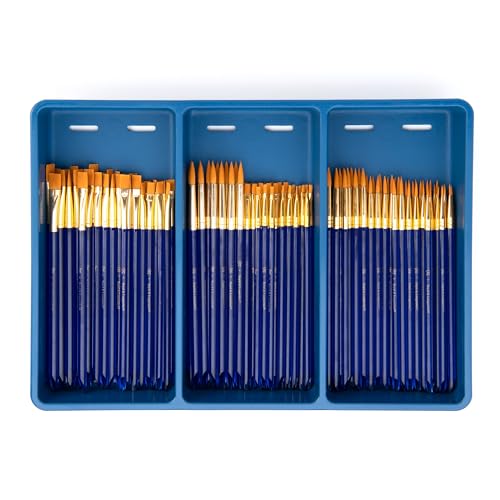
For an impeccable finish, the right equipment is fundamental. I opt for high-quality synthetic brushes, as they tend to hold paint better and provide smoother application compared to natural bristles. A good choice would be brushes labeled as “finishing” or “flat,” as they distribute material evenly across surfaces.
Foam rollers are excellent for achieving a flawless look, especially on larger, flat areas. They create minimal texture and can be used in combination with a brush for edges and corners. When using rollers, I ensure they are made for the specific type of liquid I am working with, whether it be latex or acrylic.
Investing in a paint sprayer can significantly enhance the finish quality. A sprayer minimizes texture and creates an even coat, but requires some practice. Thin the liquid appropriately to avoid clogging and achieve the desired results.
Here’s a quick reference table summarizing my top choices:
| Tool Type | Best Use | Finish Quality |
|---|---|---|
| Synthetic Brush | Detail work, edges | High |
| Foam Roller | Large flat areas | Very High |
| Paint Sprayer | Overall surfaces | Exceptional |
Finally, ensure that tools are clean and free of old residues before starting, as any debris can hinder achieving that smooth, professional look.
Applying Paint: Techniques for Even Coating
To achieve a smooth layer, I recommend working in small sections. This approach helps maintain a wet edge, preventing lines or uneven surfaces. Use long, fluid strokes, applying consistent pressure on the applicator to distribute the liquid uniformly.
Roller vs. Brush
For larger areas, I prefer using a high-quality roller, which tends to minimize texture and gives a more consistent finish. To reach corners or intricate details, I opt for a fine-tipped foam applicator. It reduces the chance of creating unwanted lines and is excellent for precise work.
Feathering Technique
When applying the medium, I use the feathering technique: lightly dragging the applicator along the surface in a sweeping motion. This method allows the previous stroke to blend seamlessly into the next, ensuring a flawless application.
Using Finishing Techniques for a Flawless Look
For achieving a smooth, professional-grade finish, I rely on several advanced methods. One preferred technique is using a foam roller for larger surfaces. Rolling minimizes the chance of unsightly drips and creates a consistent coat. I utilize a high-density foam roller, ensuring that the surface is adequately prepared to optimize results.
After applying the initial layer, I wait for it to dry completely before moving on to the next step. This brings us to sanding. Once the first coat is dry, I lightly sand the surface with fine grit sandpaper. This not only smoothens out any imperfections but also helps the subsequent layers adhere better. I always wipe away dust with a microfiber cloth to maintain cleanliness.
The final touch involves a spray sealer. I switch to a spray application to cover any remaining unevenness and achieve that glass-like finish. Choosing a sealer with a satin or glossy finish can enhance the appearance significantly. It’s crucial to apply it in thin, even layers, maintaining a consistent distance to ensure uniform coverage.
Timing is key; I apply each layer once the prior one has fully cured. This practice greatly reduces the chance of imperfections and enhances durability. Patience truly pays off here!
Drying and Curing: How to Avoid Damage After Painting
After finishing a project, proper drying and curing are essential to maintain the pristine quality of your work. Here are some practical steps to follow:
- Control the Environment: Maintain a stable temperature between 70°F and 80°F (21°C to 27°C) and reduce humidity levels below 50% to prevent defects.
- Avoid Disturbance: Let surfaces sit undisturbed for at least 24 hours after applying the final coat to prevent dents and smudges.
- Use a Fan: A gentle breeze aids in drying, helping the finish set evenly. Position a fan a few feet away, ensuring it doesn’t create direct drafts.
- Follow Manufacturer Guidelines: Each product has specific curing times. Consult the label for exact recommendations to ensure proper hardness.
Curing duration can vary based on the type of finish used:
- Water-based Finishes: These typically cure within 1-2 weeks. Wait longer if possible, especially before heavy use.
- Oil-based Coatings: These may take up to 30 days to fully cure. Patience is key to achieving a hard, durable surface.
To further protect the newly coated surface:
- Avoid Direct Contact: Keep items off the surfaces until fully cured to avoid fingerprints or scratches.
- Cover the Surface: Use a breathable cover during the curing process to protect against dust and debris.
- Handle with Care: If moving the item, use gloves or cloth to prevent oils from your hands from affecting the finish.
Lastly, if any unexpected issues arise post-curing, a light sanding followed by a clean-up can help in addressing bumps or imperfections, ensuring a flawless result. With these tips, your finishing will stay intact and beautiful for years to come.