
 Caleb Turner
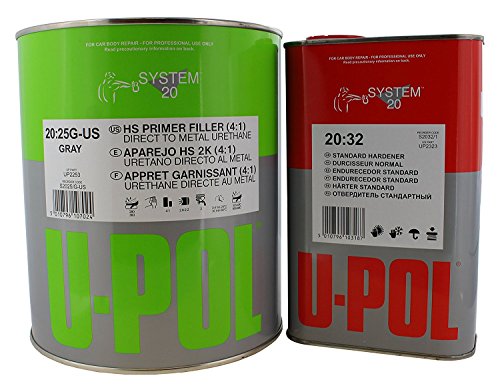
Begin by selecting a base coat in a color that mimics the lighter shades of natural timber. A soft beige or creamy off-white often provides an excellent foundation. This layer should be brushed or rolled on evenly, ensuring a smooth surface free from imperfections before anything else is applied.
Once the first layer has dried completely, use a dry brush technique with a darker hue, such as a rich brown. Lightly dip the brush and remove excess paint to avoid heavy coverage. Apply this gently to highlight the grain patterns you’ll want to emulate. Practicing this method on scrap wood can help you achieve the desired effect without committing to your main item just yet.
For added realism, consider employing a wood grain tool or comb after applying the darker shade. This step creates authentic texture, replicating the unique patterns found in genuine timber. Be careful to work while the paint is still wet to ensure a seamless finish.


Finish with a protective clear coat to seal your work. A matte or satin finish can provide an authentic appearance, allowing the depth of the colors and textures to shine through without being overly glossy. This top layer safeguards your newly transformed pieces while enhancing their longevity.
Painting Techniques for Furniture Imitating Timber
Begin with a thorough cleaning of the surface using a mixture of warm water and mild soap. Make sure to remove any dust or grease for better adhesion of subsequent layers.
Next, sand the piece lightly to create a smooth base and enhance the grip of the first coat. Use a medium-grit paper (around 120-150 grit) for this task, ensuring to wipe away dust when finished.
Utilize a primer suitable for the material. This step is crucial for achieving an even color and ensuring longevity. Apply it uniformly and allow it to fully dry according to the manufacturer’s instructions.
For the base coat, opt for an acrylic or latex option in a shade resembling the desired finish. Apply the first layer using a foam roller or a high-density brush for minimal texture. Wait until this coat dries completely before moving on.
To achieve the grain effect, a second darker hue resembling real timber will be applied. When applying this shade, use a technique like sponging, rag rolling, or a brush to mimic the natural patterns.
- For sponging, use a natural sea sponge and dab lightly.
- Rag rolling involves rolling a rag over the surface while the paint is still wet.
- A brush can create more defined lines and depth but requires a steady hand.
Once the grain is established, apply a layer of glaze to add depth and dimension. Mix a transparent glazing medium with a small amount of acrylic paint for a custom tint. Apply it with a brush and wipe away excess with a clean rag.
Conclude with a protective topcoat. A water-based polyurethane is ideal, ensuring durability and a smooth finish. Apply at least two coats, allowing adequate time to dry between applications.
Regularly assess your work in different lighting to ensure the results meet your expectations, making adjustments as necessary before finalizing.
Choosing the Right Paint for Faux Wood Techniques
Opt for water-based acrylics for excellent adhesion and quick drying time. These are versatile, easy to work with, and provide a smooth finish, which is critical for mimicking the natural grain. Select a matte or eggshell finish to better imitate the appearance of real timber.
Color Selection
Choose earthy tones like browns, tans, and golden hues to replicate different species of trees. Keep in mind that layering lighter colors underneath darker tones can create a more realistic depth. Test various shades on a scrap piece of the same material before applying to your main project.
Specialty Products
Consider using textured or specialty paints designed for achieving a wood-like look. Some brands offer specific blends containing additives like sand or cellulose, which can add dimension akin to natural grain. These products can enhance the overall authenticity of your finished piece.
Preparing Your Furniture Surface for Painting
To ensure a seamless transformation, I recommend beginning with a thorough cleaning of the surface. Use a mixture of warm water and mild soap to eliminate dirt and grease. A clean surface allows for better adhesion of the coating.
Next, inspect for imperfections. Fill any holes, scratches, or dents with a suitable filler. After drying, sand these areas smooth to create an even finish.
For previously finished items, sanding the surface is crucial. A medium-grit sandpaper will help remove gloss and create a texture for better grip. Follow up with fine-grit to smooth out the surface, ensuring no scratches are visible.
Once sanding is complete, wipe down the piece with a damp cloth to remove dust and debris. Allow it to dry completely before proceeding. If the original finish is particularly glossy or slick, consider using a bonding agent to further enhance adhesion.
Lastly, working in a well-ventilated area is paramount. Proper airflow helps in quick drying, minimizing odor, and ensuring safety. Adequate preparation sets the stage for a successful application and a stunning finish.
Applying the Base Coat: Tips for a Smooth Finish
For a polished appearance, apply a high-quality primer suited for the material. Ensure the surface is free of dust and grease before starting. Using a synthetic bristle brush will help achieve an even application, particularly in intricate areas.
Technique Matters
Utilize a method called “cutting in” by painting the edges and corners first. This technique allows better control and ensures that the main surface can be covered smoothly afterward. Always work in manageable sections to maintain a wet edge, preventing unsightly lap marks.
Drying Time
Respect the manufacturer’s instructions regarding drying times between coats. If you rush through this stage, you risk an uneven finish. A light sanding with fine-grit sandpaper between coats can enhance adhesion and create a more refined texture. Aim for at least two coats for optimal depth and coverage.
Creating Realistic Grain Effects
To achieve a lifelike texture, I begin by choosing my tools wisely. A fine-tipped brush works perfectly for adding details, while a foam roller aids in blending base coats. Mixing colors is crucial; I combine a dark and a lighter shade to mimic the natural variations found in real timber.
Color Mixing Guide
| Base Color | Highlight Color | Mix Ratio |
|---|---|---|
| Burnt Umber | Yellow Ochre | 2:1 |
| Chocolate Brown | Beige | 3:1 |
| Dark Walnut | Antique White | 4:1 |
I apply the base coat and allow it to dry fully. Then, using a rag, I apply a lighter hue in a sweeping motion, following the natural lines I want to create. To enhance realism, I add details like knots and grain patterns. These can be achieved by tapping a small brush or sponge dipped in a darker shade, ensuring to blend them carefully within the base colors.
To finish, I seal the piece with a matte or satin topcoat. This not only protects my work but also adds depth to the effect, making it even more convincing. Patience and practice are key; I often test my techniques on scrap wood or an inconspicuous area first to refine my style.
Sealing and Protecting Your Faux Wood Finish
For optimal durability and longevity, I recommend applying a protective clear coat over the design once the surface is fully dry. Choose a finish that suits your desired look, whether it’s matte, satin, or glossy.
Types of Sealants
- Acrylic Sealers: These are water-based, easy to apply, and offer excellent clarity without yellowing over time. Ideal for indoor items.
- Polyurethane: Available in both oil-based and water-based forms, polyurethane provides a tough, durable finish. Oil-based versions tend to add warmth, while water-based types dry quickly.
- Wax: For a more traditional approach, applying a layer of wax can give a soft sheen and is easy to reapply. However, it’s less protective than other options.
Application Tips
- Ensure the last coat of your base design is completely dry before sealing to prevent trapping moisture.
- Apply the sealant using a high-quality brush or foam applicator to avoid bubbles.
- Use even strokes to prevent streaks and allow the coating to self-level.
- For added protection, consider applying 2-3 thin layers, allowing each coat to dry fully as indicated by the product instructions.
Regular maintenance will prolong the life of the finish. Clean gently with a damp cloth, avoiding harsh chemicals, and reapply the sealant annually or as needed to keep the surface looking fresh.
Maintenance Tips for Faux Wood Furniture
Regularly dust the surfaces with a soft, dry cloth to prevent buildup. I recommend using microfiber cloths, as they capture dust without scratching the finish.
For deeper cleaning, use a solution of mild soap and warm water on a damp cloth. Avoid harsh chemicals that can damage the finish. Wipe off any excess moisture immediately to prevent water damage.
Apply a protective layer of furniture wax every few months. This helps maintain the sheen and provides an extra layer against spills and stains. Buff it gently with a soft cloth after application for a polished look.
Check for signs of wear regularly. If you notice any scratches or dull spots, touch them up with a matching repair marker or a bit of the base color used during your initial project.
Keep the piece away from direct sunlight and extreme temperature changes. Excessive heat can warp materials, while UV exposure may fade colors over time.
Lastly, be mindful of humidity levels in your environment. High humidity can be problematic, so consider using a dehumidifier in moist areas to maintain the integrity of your piece.


