
 Caleb Turner
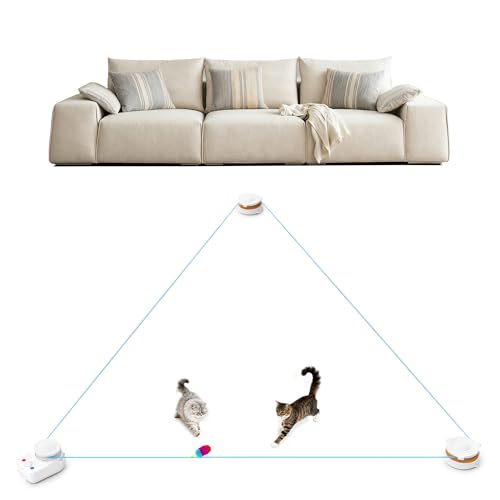
If you wish to prevent your pet from claiming your sofa as their personal throne, start implementing clear boundaries right away. Use a combination of physical deterrents and positive reinforcement techniques. Creating a designated area for your furry friend with cozy bedding or a scratching post can provide an appealing alternative.
Consider utilizing specific scents that your pet dislikes, such as citrus or vinegar, on the surfaces you want to protect. Applying double-sided tape on the couches can also make the area less inviting, as most animals dislike the sticky texture. Awareness of your pet’s behavior patterns allows for timely interventions.
When your pet attempts to leap onto the furniture, gently redirect them to their own space using treats or toys. Consistency is key; every time you catch them in the act, provide a verbal cue or signal to reinforce your message. Always reward your pet for following the new rules, making them feel secure and motivated in their training.
Modifying Behavior to Keep Surfaces Clear
Establish clear boundaries by providing appealing alternatives. Create designated areas with comfortable beds or climbing structures that attract attention.
- Place these alternatives near the spaces they prefer; this encourages exploration and usage.
- Utilize soft bedding and catnip to make designated spots more inviting.
Creating Deterrents
Apply safe deterrents to surfaces typically occupied.


- Slick surfaces, like foil or plastic mats, can discourage access.
- Utilize citrus-scented sprays, as many felines dislike these aromas.
Positive Reinforcement Techniques
Acknowledge and reward desired behaviors. Use treats or affection when they choose appropriate locations.
- Consistent reinforcement builds a positive connection to new habits.
- Utilize clicker training to mark successful behavior transitions.
Understanding Your Feline Companion’s Behavior
Recognizing the reasons behind your pet’s choice of resting places is key. Felines are naturally drawn to elevated surfaces; these spots provide a sense of safety and enable them to survey their surroundings. If I observe my companion lounging atop a shelf, I realize it craves a vantage point that mimics its instinctual need for security.
Another factor is scent marking. Cats have scent glands in their paws, so when my pet walks across a surface, it leaves its mark, establishing ownership. This instinct can manifest in a strong desire to claim various areas, including couches and tables.
Environmental Impact
The environment plays a significant role. Soft textures are appealing for relaxation, as they mimic natural resting places like grass or soft earth. I can replace a soft sofa or chair with a designated resting area that offers similar comfort, redirecting its attention.
Routine and Engagement
Daily habits and stimulation are critical. A bored companion might seek comfort on available surfaces due to a lack of other options. I can enhance playtime and provide various toys to keep my pet occupied, reducing its tendency to lounge where I’d prefer it didn’t. A combination of consistent activity and environmental adjustments can lead to better choices in resting areas.
Choosing the Right Deterrents for Your Furniture
Selecting suitable deterrents ensures a more peaceful coexistence with my feline companion while preserving my belongings. Here are effective options to consider:
Texture-Based Deterrents
- Sticky Tape: Cats dislike the feel of tape on their paws. Attaching double-sided tape to areas where they tend to frequent can discourage them.
- Plastic Mats: Placing plastic runner mats with the nubby side up may repel them, as the texture feels uncomfortable.
Spray Deterrents
- Commercial Sprays: Citrus or commercial scent sprays designed to repel pets can be effective. These scents are usually unappealing to cats.
- Homemade Solutions: A mix of water with vinegar or essential oils like rosemary can work to deter them naturally.
By incorporating a combination of these methods, I can protect my belongings while ensuring my furry friend has alternative spaces to explore.
Creating an Alternative Comfortable Space for Your Cat
To encourage my feline friend to avoid perching on sofas or tables, I set up a designated cozy area tailored to their preferences. Using a soft, plush bed placed in a quiet corner works wonders. I make sure to choose a spot away from high-traffic areas to reduce distractions.
Incorporating Heights and Scratching Options
Providing vertical spaces like cat trees or shelves satisfies their natural climbing instincts. I select structures that feature different heights and textured surfaces to keep things interesting. Adding scratching posts nearby allows my pet to indulge in their clawing behavior instead of targeting my upholstery.
Using Familiar Scents and Toys
I reinforce the appeal of this special space with items that smell like my pet, such as worn clothing or blankets. Toys that engage them, like interactive puzzles or feather wands, entice my companion to spend time in their designated area. Regular play sessions here strengthen their association between this spot and enjoyable experiences.
Positive Reinforcement Techniques to Encourage Good Habits
Use treats strategically. Whenever I observe my feline companion choosing the designated spot over the couch, I offer a small, high-value snack. This reinforces the behavior and creates a positive association with the alternative location.
Incorporate playtime into the routine. Engaging in interactive play sessions using wand toys or lasers can redirect attention away from prohibited areas. After play, I immediately guide my pet to the preferred resting place and reward them with praise when they settle there.
Consistency is Key
Maintaining a consistent reward schedule helps solidify desired behaviors. I always reward immediately after my pet makes the right choice. Delays can confuse them, weakening the connection between the behavior and the reward.
Create a Rewarding Environment
Consider scent as a motivational tool. Using calming pheromone diffusers near the approved resting spots can make these areas more attractive. Additionally, I place toys and cozy blankets in these spaces to enhance comfort, encouraging my pet to use them willingly.
Using Commands and Sounds to Redirect Your Feline
I utilize distinct verbal cues combined with appropriate sounds to shift my pet’s focus from designated areas. Consistency is key; I repeat commands like “off” or “down” firmly but gently whenever the behavior occurs. Over time, these specific cues become associated with the action I want to discourage.
In addition to commands, I incorporate a gentle noise, such as clapping my hands or using a whistle. This auditory signal interrupts their current activity and draws them away from the restricted spot. It’s important to ensure the sound is not startling but rather enough to gain their attention.
I maintain a chart to track my effectiveness with various sounds and responses, adjusting my approach as needed. Below is an illustrative table that I use for analysis:
| Command | Sound | Effectiveness Rating (1-5) |
|---|---|---|
| Off | Clapping | 4 |
| Down | Whistle | 3 |
| Stop | Hand Snap | 5 |
This method not only helps redirect attention but also builds a communication system between us. I reinforce this with complementary rewards, ensuring my companion understands that positive outcomes follow obedient responses. Over time, I notice marked improvements in behavior as my reassurance and clarity shape their understanding.
Establishing Consistent Training Routines
I set specific times each day for behavioral sessions. This consistency helps in reinforcing expectations and understanding. My schedule includes short intervals, ideally 5 to 10 minutes, which keeps the experience engaging and manageable.
Sample Training Schedule
| Time | Activity |
|---|---|
| Morning (8:00 AM) | Redirecting to alternative space, using positive reinforcement. |
| Afternoon (1:00 PM) | Utilizing commands and sounds to guide behavior. |
| Evening (6:00 PM) | Rewarding adherence to the guidelines set earlier. |
I always ensure a calm environment during these sessions. Limiting distractions allows the feline to focus better. If she becomes anxious or distracted, I simply pause and resume when she’s more attentive.
Adapting to Your Pet’s Behavior
Monitoring responses during these moments is crucial. I take notes on what works best–certain rewards may resonate more than others. Adapting to her preferences significantly enhances the outcomes.
Repetition is key. I repeat these activities daily, adjusting only as needed based on how she reacts. This approach solidifies the connection between desired activities and positive feedback, making it easier for her to adapt to the guidelines set.
Monitoring Progress and Adjusting Techniques
Regularly observe your companion’s behavior. Make notes on which areas are avoided and where attempts to jump occur. Understanding patterns helps identify what works and what doesn’t. For example, if a certain deterrent is ignored consistently, consider replacing it with something more effective.
Use a chart to track daily interactions. Document any successful nights without intrusion, marking down the methods applied in those instances. This visual representation can guide decision-making regarding reinforcement strategies and environmental changes.
If adjustments are necessary, introduce new deterrents gradually. Cats can become accustomed to stimuli, so rotating deterrents or employing multiple techniques can maintain effectiveness. For instance, switching from sticky tape to citrus scents might yield better results.
Consistency is vital; ensure that all members of the household follow agreed-upon methods. This synchronization prevents confusion and reinforces expectations. If one person allows access while others do not, it creates mixed signals that can hinder progress.
Lastly, be patient with the process. Adjust techniques based on observed results rather than a fixed timeline. Every individual is unique, and understanding their response will lead to a more harmonious living environment.
Addressing Common Challenges During Training
One significant hurdle is the incline towards instinctive behavior. To tackle this, I utilize distractions such as sound deterrents or engaging toys, keeping my companion occupied while preventing access to tempting surfaces.
Another issue is the potential stress related to changing environments. Gradual introductions to new rules yield better outcomes. Starting with limited areas and slowly expanding the boundaries helps to ease anxiety.
- Identify triggers that lead to undesired behavior, such as specific times of day or certain activities.
- Implement temporary barriers, like baby gates, to restrict access while reinforcing rules.
Consistency in commands is vital. I ensure that all household members use the same language and signals to avoid confusion. This clarity aids in quicker understanding of expectations.
Setbacks are normal. I maintain patience and adjust methods as needed. Tracking progress through a journal can reveal patterns and areas needing reinforcement.
- Evaluate which deterrents are most effective for my companion.
- Increase positive interactions during training sessions; moments of play and bonding help create trust.
If behaviors persist, seeking advice from a professional may provide new insights that resonate better with my companion’s temperament. Regular evaluations of techniques ensure that I adapt and refine my approach for optimal outcomes.


