
 Caleb Turner

Begin by thoroughly cleaning the surface of your metallic seating. A mixture of water and mild detergent works well; scrub any visible rust or dirt using a stiff brush. Ensure that the surface is completely dry before proceeding to the next step.
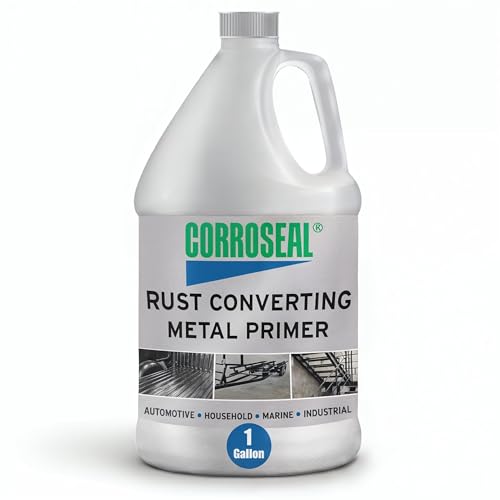
Select a high-quality primer specifically designed for metal surfaces. This will enhance the adhesion of the top coat, preventing peeling or flaking in the future. Apply a thin, even layer and allow it to cure completely according to the manufacturer’s instructions.


Choose a durable exterior coating that can withstand varying weather conditions. Utilizing a spray application method can provide a smooth and even finish. Aim for multiple thin layers rather than one thick layer to avoid drips and ensure uniform coverage.
When the final coat is dry, consider applying a clear sealant designed for exterior use. This extra layer protects the color and finish from UV rays and moisture, prolonging the life of your refreshed seating.
Procedure for Refreshing Metal Seating
Ensure to remove all existing layers of finish. Utilize a wire brush or sandpaper for meticulous stripping, focusing on areas with rust or flaking.
After thorough sanding, clean the surface with a damp cloth to eliminate dust and debris. Allow it to dry completely before proceeding.
Apply a rust-inhibiting primer specifically formulated for metallic surfaces. Use a paintbrush or spray gun for an even application. Allow the primer to cure as per the manufacturer’s instructions.
Opt for a high-quality topcoat suitable for outdoor use. Aim for at least two coats for optimal durability. Make sure to follow the recommended drying time between applications.
For added protection, consider sealing the finish with a clear, weather-resistant sealant. This will enhance longevity and maintain the appearance over time.
- Wear appropriate safety gear during the entire process.
- Work in a well-ventilated area to avoid inhaling fumes.
- Avoid painting in direct sunlight or extreme temperatures for best results.
Store your refreshed pieces under cover during harsh weather to prolong their lifespan and maintain their appeal.
Choosing the Right Type of Paint for Cast Iron
For metal structures, selecting the appropriate coating is critical to ensuring durability and aesthetics. I recommend using a high-quality enamel or epoxy-based formulation specifically designed for metal surfaces. These options provide excellent adhesion and resistance to weather elements.
Types of Formulations
- Rust-Resistant Enamel: Ideal for outdoor conditions, providing a protective layer against corrosion.
- Epoxy Paint: Offers superior bond strength and is often more resilient to scratches and chemical exposure.
- Acrylic Paint: Suitable for those preferring a more eco-friendly option, though it may require more frequent touch-ups.
Finish Options
- Glossy Finish: Reflects more light, which helps to highlight detailed designs. It is easier to clean.
- Matter Finish: Provides a more understated appearance but may not be as resistant to stains.
Before making a selection, confirm that the product is appropriate for metal surfaces and can withstand the environmental conditions where your seating will reside. Be cautious of paint that is not explicitly labeled for outdoor use, as it might not offer the durability needed for prolonged exposure to sunlight and moisture.
Preparing the Surface Before Painting
I begin any restoration by ensuring the metal surface is completely clean. I use a high-quality degreaser or soapy water to eliminate any dirt, grease, or residues that may affect adhesion. After scrubbing, I rinse thoroughly with water and let it dry completely.
Next, I tackle any existing rust. Using a wire brush or sandpaper, I remove loose rust and flaking material. It’s essential to ensure the surface is smooth. After that, I may employ a rust-inhibiting primer to prevent any future corrosion.
If the existing finish is glossy, I sand it lightly to promote better bond with the topcoat. A medium-grit sandpaper is ideal for this task. I aim for a dull finish, which helps the new product adhere more effectively.
For deep scratches or imperfections, I fill them with an appropriate metal filler. Once dry, I sand the filled areas until they are flush with the surrounding surface.
Finally, I wipe down the entire area with a lint-free cloth to remove any dust or particles created during the preparation process. This meticulous approach lays the groundwork for a smooth and durable finish.
Essential Tools and Materials You Will Need
Gather these items to ensure a successful transformation of your metallic seating and tables.
- Wire Brush: Ideal for removing rust and old finish.
- Sanding Sponge: Use this for smoothing rough areas and edges.
- Painter’s Tape: Protect adjacent surfaces and create clean lines.
- Clean Cloths: Keep a few on hand to wipe down surfaces before starting.
- Primer: Choose a rust-inhibiting primer suitable for metal surfaces.
- Spray or Brush-On Coating: Select a durable exterior formula based on the desired finish.
- Drop Cloths: Prevent drips and spills on your working area.
- Safety Gear: Always wear gloves, goggles, and a mask to protect from dust and fumes.
Using the right supplies will enhance durability and provide a professional look.
Step-by-Step Guide to Cleaning Outdoor Metal Seating
Prior to applying any new finish, thorough cleaning is non-negotiable. Here’s how to effectively prepare your outdoor metal seating.
Materials Needed
| Material | Purpose |
|---|---|
| Soft-Bristled Brush | To remove dirt and loose debris |
| Bucket | For mixing cleaning solution |
| Dish Soap | To eliminate grease and grime |
| Water | To dilute the cleaning solution |
| Rags or Sponges | For wiping surfaces and absorption |
| Protective Gloves | To keep hands safe from harsh elements |
Cleaning Steps
1. Mix warm water and a few drops of dish soap in a bucket.
2. Use the soft-bristled brush to gently scrub any dirt and debris from the surface, paying attention to crevices.
3. Dampen a rag or sponge in the soapy water and wipe down all surfaces, ensuring every inch is cleaned.
4. Rinse thoroughly with clean water to remove any soap residue.
5. Dry completely with a clean cloth to prevent moisture buildup, which could lead to rust.
6. Inspect for any areas needing special attention, such as rust spots, which may require additional care before proceeding further.
Removing Rust from Your Metal Seating
Begin with a wire brush or sandpaper to eliminate visible rust. A coarse grit effectively scrapes away corrosion, while finer grits smooth the surface afterward. If the rust is severe, consider using a power sander for quicker work.
Chemical Solutions
Apply a rust remover that contains phosphoric acid. This product converts rust into a type of protective coating. Follow the instructions, typically involving applying the solution, letting it sit, then wiping clean with a cloth. Always use gloves and a mask during this process.
Afterward, rinse the surface thoroughly with water and let it dry completely to prevent moisture buildup.
Homemade Remedies
If you prefer natural alternatives, create a paste using baking soda and water. Apply it to the affected areas and scrub gently. Vinegar is also effective; soak a cloth in vinegar, place it on the rusted spots, and let it sit for a few hours before scrubbing. Both methods may require multiple applications depending on the severity.
Following these steps ensures a clean and rust-free base, ready for protection or restoration.
Applying Primer: Why It Matters
Choosing a high-quality primer is a non-negotiable step in my restoration projects. It acts as a bonding agent between the substrate and the color layer, ensuring better adhesion and longevity of the finish. A good primer fills in imperfections, creating an even base for subsequent coatings.
Before applying any coating, I thoroughly clean the surface and allow it to dry completely. The right primer can prevent rust formation and protect against moisture damage, which is critical for outdoor items. I always opt for a Rust-inhibiting primer, specially formulated to resist corrosion.
Application Tips
When I apply primer, I use a quality brush or spray for an even coat and avoid thick layers that might lead to drips. Two thin coats are often more effective than one thick layer. After applying the primer, I wait for it to cure fully before moving to the next stage. This ensures a solid foundation for the final finish.
Final Thoughts
In my experience, the primer stage often determines the success of the entire project. It might seem like a small detail, but it serves as a critical barrier against the elements, enhancing durability and appearance over time.
Techniques for Applying Paint Smoothly
For achieving a flawless finish, I recommend using a high-density foam roller. This type minimizes the appearance of roller marks and leaves a smooth surface. When using a spray can, keep the nozzle about 10-12 inches away from the object to maintain an even distribution.
Rolling Technique
To apply with a roller, evenly distribute the medium on the surface, working in small sections. Use long, continuous strokes to avoid creating lines. After rolling on a first coat, allow it to dry completely before proceeding to a second, as this will ensure adhesion and a uniform appearance.
Spraying Technique
With spray application, I find it effective to use a sweeping motion. Start by moving the can from one side to the other, slightly overlapping the previous path. This technique promotes consistency and helps prevent drips. Always practice on a scrap piece to adjust the flow and spray pattern before the actual application.
| Technique | Description | Best For |
|---|---|---|
| Foam Roller | Provides a smooth, even coat with minimal texture. | Flat surfaces and intricate designs. |
| Spray Can | Allows for even layering without brush marks. | Curved or detailed areas. |
Finishing touches can be refined by lightly sanding between coats, ensuring that the last layer adheres well and appears seamless. This attention to detail guarantees a professional look that endures over time.
Drying Times: What to Expect
After applying a coat, I typically wait 24 hours before handling the item to ensure it’s touch dry. If using aerosol formulations, the drying time may be shorter, around 1-2 hours, but I still avoid exposure to moisture. The ambient temperature and humidity levels significantly influence the drying phase.
For optimal hardening, I recommend permitting at least 72 hours before subjecting the piece to outdoor conditions, especially if rain is forecasted. For each subsequent layer, adhering to similar intervals ensures a strong finish. The full cure, which achieves maximum durability, can take up to one week, depending on environmental factors.
Monitoring the surface during this period is crucial. If the paint feels tacky, extending the drying time may be necessary. In cooler or humid environments, I’ve observed these conditions can prolong drying times significantly. Always check the manufacturer’s instructions for specific guidance related to the products used.
Patience during this stage will yield a durable surface that withstands the elements, ensuring my restoration efforts are appreciated for years to come.
Maintaining and Caring for Painted Cast Iron
To prolong the life of your newly coated metal seating, clean it regularly with mild soap and water. Avoid abrasive sponges that can scratch the surface.
Inspect frequently for signs of wear, such as chips or scratches. Touch up these areas promptly with matching paint to prevent rust from forming.
During harsh weather, consider covering the pieces or storing them indoors. If certain items are exposed to rain or snow, ensure they dry completely after wet conditions.
Seasonally, apply a clear protective sealant designed for outdoor surfaces. This additional layer can help guard against UV damage and moisture infiltration.
When maintaining, avoid using power washers, as they may damage the finish. Instead, use a gentle cloth or sponge for routine maintenance.
Lastly, periodically check and tighten any loose screws or joints to maintain structural integrity. This simple step can save you from more extensive repairs later on.
FAQ:
What preparation steps are necessary before painting cast iron outdoor furniture?
Before painting cast iron outdoor furniture, it’s important to clean the surface thoroughly. Use a wire brush or sandpaper to remove any rust or old paint. After that, wash the furniture with soap and water to eliminate dirt and grime. Rinse it well and let it dry completely. If there are any grease stains, consider using a degreaser to ensure a clean surface for the new paint.
Which type of paint is recommended for cast iron outdoor furniture?
For cast iron outdoor furniture, it’s best to choose a paint specifically designed for metal surfaces. Look for an oil-based or enamel spray paint that offers durability against the elements. These types of paint adhere well to the cast iron and provide a smooth, weather-resistant finish. Make sure the paint you select is suitable for outdoor use to ensure longevity.
How do I apply paint to my cast iron furniture properly?
To apply paint to cast iron furniture, first shake the spray can or stir the paint if using a brush. For spray painting, hold the can about 8 to 12 inches away from the surface and spray in light, even coats. Avoid applying too much paint at once to prevent drips. If using a brush, use long, even strokes, and make sure to cover all areas uniformly. Allow each coat to dry completely before applying the next one, usually around 1-2 hours depending on the paint type.
Is it necessary to use a primer before painting cast iron outdoor furniture?
Yes, using a primer is highly recommended. A metal primer provides better adhesion for the paint and helps to prevent rust. Choose a rust-inhibiting primer that is compatible with the paint you will use. Apply one coat of primer to the clean and dry cast iron and allow it to dry according to the manufacturer’s instructions before proceeding with the top coat of paint.
How can I maintain painted cast iron outdoor furniture?
To maintain painted cast iron furniture, regularly clean the surface with mild soap and water to prevent dirt buildup. Avoid harsh chemicals that could damage the paint. Inspect the furniture periodically for signs of peeling or rust, and touch up any damaged areas with paint as soon as possible to prevent further deterioration. If possible, store the furniture indoors during harsh weather conditions to extend its lifespan.
What are the key steps in preparing cast iron outdoor furniture for painting?
To properly prepare cast iron outdoor furniture for painting, follow these steps: First, remove any loose, flaking paint and rust using a wire brush or sandpaper. After that, wash the furniture with soap and water to eliminate dirt and grease. Rinse thoroughly and allow it to dry completely. Next, apply a rust-inhibiting primer to protect the metal from future corrosion. Ensure that the primer is suitable for use on metal surfaces and follow the manufacturer’s instructions for application. Lastly, let the primer dry fully before applying the top coat of paint. This preparation helps ensure a smooth, lasting finish.


