
 Caleb Turner
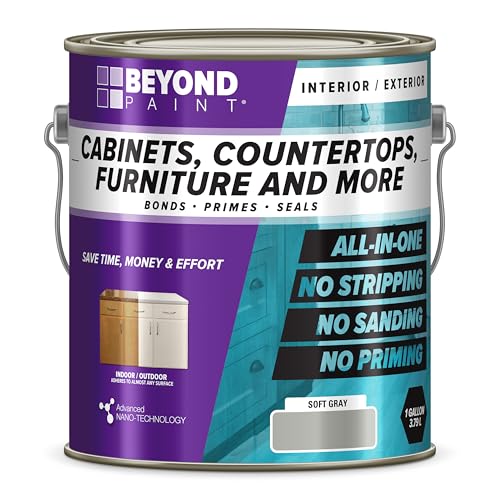
First, ensure the surface is clean and dust-free. Lightly sand the area with fine-grit paper for better adhesion of your chosen coating. I prefer using acrylic-based options for their ease of application and quick drying time.
To facilitate an even application, utilize a quality brush or roller. For large surfaces, a foam roller works wonders, while a brush is ideal for detailed areas. Thin coats are key; they reduce drips and allow for smooth layering. I generally apply two to three coats, waiting for each to dry before proceeding.
If you’re aiming for a decorative finish, stencils or masking tape can be great tools for patterns. After achieving the desired look, sealing with a clear coat helps protect against wear and tear, ensuring longevity. Just remember to allow ample time for everything to cure before using the item.
Techniques for Coloring Cardboard Creations
Use a primer specifically designed for porous materials before applying any color. This will create a smooth base and help the hue adhere better.


Selecting the Right Hue
Water-based options work best for cardboard rather than oil-based types; they dry quickly and are easier to clean up. Look for acrylic or latex formulations.
Application Method
Utilize a brush or roller for larger areas to achieve an even coat. For detailed sections, a fine-tipped brush is ideal. Spraying can also be effective for smooth coverage but requires more time to set up.
Allow each layer to dry completely before adding another coat. Thin layers will prevent warping and peeling. Experiment with different techniques such as sponging or stenciling for added texture and patterns.
Seal your project with a clear varnish once dry to enhance durability and provide a protective layer against moisture and scratches. Opt for a matte finish for a natural look or a gloss for a shiny effect.
Choosing the Right Paint for Cardboard
For optimal results on your project, I recommend using acrylic or latex options. These types are flexible and adhere well to the surface without causing damage.
Types of Paint to Consider
- Acrylic Paint: Quick-drying and versatile, this is perfect for detailed work and comes in various finishes.
- Latex Paint: Water-based and easy to clean, this type provides a durable finish ideal for larger surfaces.
- Spray Paint: Offers an even coat with little effort, but ventilation is key when using this option.
Important Features
- Finish: Satin or matte finishes work best as they avoid glare while maintaining an elegant appearance.
- Drying Time: Quick-drying formulas allow for multiple layers without long waits.
- Non-Toxic: Look for products labeled as non-toxic, especially if the piece is for a child’s room.
Experimenting with different types can help you find the one that suits your taste and project requirements, ensuring a successful transformation of your item.
Preparing the Surface for Coating
Before I apply any color, I ensure the surface is clean and smooth. I begin by wiping the item with a damp cloth to eliminate dust and debris. This step is crucial for achieving an even finish.
Next, I examine the texture closely. If there are any rough spots or creases, I carefully sand them down using fine-grit sandpaper. This creates a more uniform surface, allowing the application material to adhere better.
Sealing the Surface
To prevent moisture absorption, I seal the item with a primer or an appropriate base coat. This not only protects the cardboard from soaking up liquids but also enhances the longevity of the finish. I apply it evenly and allow it to dry completely before proceeding.
Testing a Sample Area
I always test a small, inconspicuous area first. This helps me confirm that the chosen material adheres well and provides the desired aesthetic. After testing, I can adjust my approach based on the results.
With these preparations completed, I can confidently move forward with the application, knowing the surface is ready to receive the finish I envision.
Tools Needed for Painting Cardboard Furniture
Use high-quality brush sets for applying finishes smoothly. A foam roller can also aid in swiftly covering larger areas without leaving brush marks.
Materials
Acrylic or latex-based formulations are ideal for vibrant colors and durability. Choose spray cans for an even coat on intricate designs.
Additional Equipment
Masking tape helps create clean edges and prevent accidental overspray. Drop cloths protect floors and surrounding items. A sandpaper block or sponge prepares the surface by ensuring better adhesion before applying any coating.
Consider using a sealant or topcoat for added protection once the initial layer dries. Keep a damp cloth handy for quick clean-ups of stray marks during the process.
Applying the First Coat of Paint: Techniques and Tips
For the initial layer, I prefer using a spray application method rather than a brush or roller. This ensures an even finish and minimizes the risk of saturating the material. Keeping the spray can 6 to 12 inches away allows for better control and reduces drips.
Technique Steps
1. Shake the spray can well for a couple of minutes to mix the contents thoroughly.
2. Test on a scrap piece of the same material to check the color and texture.
3. Start from the top and work downwards to let any excess run-off be caught by lower sections.
4. Apply light, even strokes, overlapping by about 50% with each pass to avoid streaks.
5. Allow the initial layer to dry completely as per the manufacturer’s recommendations before applying additional coats.
Tips for Success
| Tip | Description |
|---|---|
| Temperature | Avoid extremely hot or humid conditions for optimal drying. |
| Ventilation | Ensure the area is well-ventilated to prevent inhaling fumes. |
| Test Application | Always conduct a test on a scrap piece to anticipate final results. |
| Controlled Environment | Consider painting in a dust-free zone to prevent particles from adhering. |
After achieving a satisfactory first coat, I often lightly sand the surface with fine-grit sandpaper once dry, then wipe it down to prepare for the subsequent layer. This further enhances the finish and adhesion of the following coats.
Finishing Touches: Adding Sealer and Protective Coatings
After achieving the desired look on the surface, I recommend applying a sealer to enhance durability. Choose a clear acrylic or polyurethane finish, which will guard against moisture and everyday wear. Here’s how to proceed:
Steps for Applying Sealer
- Ensure the paint is fully dry. Wait at least 24 hours.
- Lightly sand the surface using fine-grit sandpaper for better adhesion of the sealer.
- Wipe off any dust with a clean, dry cloth.
- Use a high-quality brush or roller for application, ensuring an even coat.
- Apply a thin layer of the chosen sealer, following the manufacturer’s instructions. A few thin coats are better than one thick one.
- Allow each coat to dry completely–check the recommended drying times.
Additional Protective Options
- Varnish: Adds a glossy finish and extra protection against scratches.
- Matte topcoat: For a non-reflective look while still guarding the surface.
- Waterproof sprays: Quick application can offer an additional layer of defense against humidity.
Pay attention to the environment where the item will be used. Areas with high traffic or exposure to moisture may require a more robust protective approach. After sealing, I suggest letting the item cure for a few days before placing it into regular use. This ensures maximum durability and longevity of the finish.
Cleaning and Maintaining Painted Cardboard Furniture
To ensure longevity, I recommend using a soft, damp cloth for routine cleaning. Avoid abrasive materials that might scratch the surface. If necessary, a mild soap solution can help remove stubborn stains. Remember to rinse the cloth frequently to prevent dirt from being spread around.
Preventive Measures
To protect the surface from wear, I use coasters under drinks and place items that might scratch the finish on felt pads. This small step minimizes damage over time.
Reapplication of Finish
Every few months, I assess the condition of the protective layer. If it appears dull or worn, I lightly sand the surface with fine grit sandpaper and apply a fresh layer of sealer to rejuvenate the look. This simple maintenance task helps preserve the beauty and resilience of the piece.


