
 Caleb Turner

Choosing an intense shade offers a striking and timeless appearance. I recommend using a high-quality primer as a base to ensure even coverage and adhesion. Applying a coat of a matte finish acrylic or chalk-type mixture creates a velvety surface that effortlessly absorbs subsequent layers.
For achieving a worn effect, utilize sandpaper or a sanding block at strategic locations to reveal the underlying texture. Focus on corners and areas that would naturally show wear over time. Keep a consistent touch to avoid uneven patches and maintain an authentic look. Once satisfied with the distressing, a clear protective coat will seal everything in and enhance durability.
Experimenting with various techniques, such as dry brushing or sponging, can add complexity and depth to the overall aesthetic. Mixing in elements of antiquing wax provides another dimension, enhancing the contrast and giving pieces character while enriching the surface nuances.
Transforming Surfaces with a Charcoal Finish
I recommend thoroughly cleaning the item to eliminate dust and grease, ensuring an even and lasting application. Choose a high-quality primer designed for dark colors. Apply it uniformly, allowing ample drying time before proceeding.


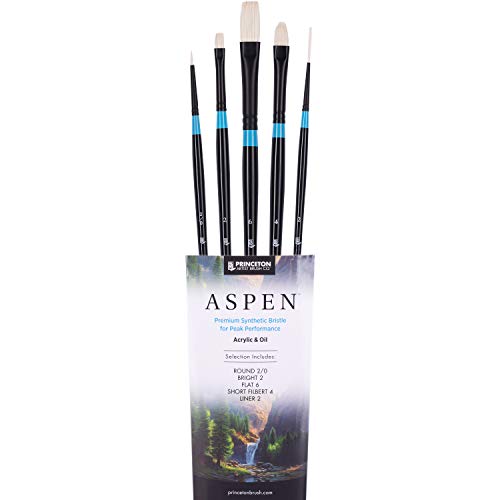

Select a matte or satin hue for the top coat for a polished yet subtle effect. Use a foam brush or a high-density roller for a smooth application, ensuring to cover every nook and cranny. Multiple thin layers yield better results than a single thick coat. Let each coat dry completely before adding the next.
For the weathered appearance, once dried, take fine-grit sandpaper to gently abrade areas that naturally receive wear. Focus on edges and surfaces where hands frequently touch or where light falls. This technique reveals the underlying layer, enhancing the piece’s character.
Complete the process by applying a clear wax finish. This will not only seal the paint but also give a soft sheen, enhancing the overall look while providing protection. Buff the surface with a soft cloth to achieve the desired glossiness.
Selecting the Right Type of Furniture for Distressing
Opt for pieces made from solid woods such as pine, oak, or maple. These materials respond well to techniques for achieving a worn look, as they showcase grain patterns beautifully. Avoid softwoods with excessive knots, which may disrupt the desired aesthetic.
Prioritize items with character, like vintage or antique finds. Their pre-existing imperfections can enhance the end result and require less work to achieve a distressed appearance.
Consider furniture with intricate details, such as carvings or moldings. These elements will accentuate the contrast of a dark finish and highlight wear and tear effectively.
Beware of overly polished surfaces. Opt for pieces that are slightly worn or have existing paint. This allows for easier blending with new techniques to create a cohesive look.
When selecting tables, chairs, or cabinets, evaluate their structure. Sturdy items that require minimal repairs will save time, ensuring a smoother transformation process.
Additionally, think about the scale of the item. Larger pieces provide more surface area for effects, while smaller items may allow for creative experimentation without a major commitment.
| Material | Best For | Notes |
|---|---|---|
| Solid Wood | Desirable results | Excellent grain visibility |
| Vintage | Unique character | Existing imperfections enhance look |
| Intricately Designed | Highlighting details | Enhances depth and contrast |
| Worn Surfaces | Smoother process | Less preparation required |
| Sturdy Structures | Longevity | Minimizes repair efforts |
Preparing the Surface for Painting
First, I prefer to remove any existing finishes or coatings from the piece. Stripping agents can be effective, or I might opt for sanding, using 120 to 220 grit sandpaper to achieve a smooth base. Make sure to wear a mask and goggles, as dust can irritate the respiratory system and eyes.
Cleaning
After sanding, it’s crucial to clean the surface thoroughly. I use a damp cloth to remove dust and debris, followed by a degreaser to eliminate oils or grime. Allow the surface to dry completely before proceeding.
Repairs
I inspect for any imperfections such as cracks or holes. For smaller gaps, I use wood filler, smoothing it with a putty knife to create an even finish. Larger issues may require wood glue or additional pieces for reinforcement. Once dry, I sand the filled areas to ensure they are level with the surrounding material.
Finally, applying a primer can enhance adhesion and coverage. I usually choose a spray or brush-on formula designed for use with darker shades; this often helps in achieving a deep, uniform color. Allow the primer to cure fully before starting the next steps in the transformation process.
Choosing the Best Paint for a Black Finish
Opt for a high-quality acrylic or latex formulation that provides excellent coverage and durability. Matte finishes excel in hiding imperfections, while satin options can add a subtle sheen that enhances depth. If you’re working with wood, consider using chalk-like paint for its ability to adhere well and ease of use during application.
Consider Color Pigments
The depth of black can vary significantly based on the pigments used. A deep ebony or onyx shade will deliver a more dramatic effect compared to a softer charcoal. Test samples on a small area to gauge the true color in different lighting conditions.
Additives for Enhanced Effects
For a unique texture, look for additives that create a matte or satin finish. Some brands offer products specifically designed for a vintage or distressed appearance, which can be mixed directly into your chosen medium. These additives help achieve the desired aesthetic with minimal effort.
Applying the Black Paint Evenly
First, I make sure to use a high-quality brush or foam roller, as these tools allow for a smoother application and reduce the likelihood of streaks or marks. When loading the brush, I dip it into the coating and tap off any excess before making contact with the surface. This helps in controlling the amount of product delivered.
Technique Matters
While applying, I focus on long, even strokes in one direction. This technique minimizes brush marks and promotes a uniform finish. For larger areas, I tend to use a roller, followed by a brush for corners and edges, ensuring everything blends seamlessly. I also keep an eye on the amount of pressure applied; light pressure can prevent pooling or drips.
Multiple Coats for Depth
Usually, I apply at least two coats for optimal opacity. After the first layer dries completely, I lightly sand the surface with fine-grit sandpaper to smooth out imperfections and improve adhesion for the next coat. Some choose to add a primer beforehand, which I find useful for enhancing the longevity of the finish and ensuring a consistent color.
Finally, a thorough clean-up once the task is completed provides a crisp finish. I regularly check for any missed spots or uneven areas after the final coat dries, making quick touch-ups as necessary to ensure a flawless appearance.
Techniques for Distressing After Coating
To achieve a worn look, I often utilize sandpaper to selectively remove layers, revealing the underlying textures. Medium-grit paper works well for more aggressive wear, while fine-grit is ideal for subtle highlighting.
Using A Wire Brush
A wire brush offers a unique method. Lightly scrubbing the edges and corners creates a natural effect, enhancing visual interest. Be gentle to avoid excessive damage.
Applying Glaze or Wax
After the coating has dried, I apply a glaze or wax to enhance imperfections. These products can tint existing colors, adding depth while also filling in tiny gaps, offering an aged feel.
For additional authenticity, I mix different shades of products. Layering provides complexity in the finish, making the piece look more timeworn. Using a soft cloth to buff any excess allows control over the intensity.
Experimenting with different tools, such as a sponge or cloth, can yield distinctive results. Each method offers its unique flavor, contributing to the overall character of the piece.
Sealing the Painted Surface for Longevity
To ensure my masterpiece remains stunning over time, I apply a high-quality sealant. Water-based polyurethane is my go-to; it dries clear and offers great durability without altering the color. I opt for a satin or matte finish, preserving the desired aesthetic while protecting against scratches and stains.
Application is critical. I use a clean, synthetic brush to avoid bristle marks and ensure an even coating. Starting with a thin layer, I work in the direction of the wood grain. After every coat, I lightly sand the surface with fine-grit sandpaper to enhance adhesion and smoothness, then wipe away any dust before applying the next layer.
I usually apply two to three coats, allowing adequate drying time between applications–usually at least a couple of hours or as recommended on the sealant’s label. This process not only fortifies the surface but also creates a beautiful, protective barrier against daily wear.
For added protection, applying a coat of wax after sealing can provide an additional layer of defense. I prefer using a natural beeswax or a synthetic alternative, buffing it gently into the surface. This step enhances the sheen while also enabling easier future maintenance, as a quick buff can rejuvenate the finish over time.
Maintaining the sealed surface is straightforward; regular dusting and occasional touch-ups with the same sealant will preserve my work and keep it looking as exquisite as the day I completed it.
Tools You Need for Distressing Effectively
For achieving that coveted aged appearance, specific tools are indispensable. Here’s what you should gather:
- Sanding Block or Sponge: Essential for smoothing out surfaces and creating wear marks. Choose varying grits for different levels of distressing.
- Chip Brush: Ideal for applying subtle layers of finish. The bristle texture helps create a more rustic look.
- Paint Roller: Useful for covering larger areas evenly before moving to finer techniques.
- Distressing Tool or Hammer: For intentional damage highlights. A hammer or specific distressing tool can create authentic dents and dings.
- Rag or Old Cloth: Use for wiping off excess finish and adding texture. A damp cloth can also help with blending colors.
- Stencils: Consider using patterns to introduce decorative elements in a worn fashion.
- Sealant or Topcoat: Once the aging process is complete, protect your work with a durable sealant to prolong its life.
With these tools, you can create a beautifully aged look that enhances character and charm. Each instrument plays a role in achieving unique results, so experiment and find what works best for your project.
Maintaining and Caring for Your Finished Furniture
To preserve the look of your updated pieces, regularly dust surfaces with a soft, dry cloth. This prevents buildup that can dull the finish over time.
Avoid using harsh chemicals or abrasive cleaners, as these can damage the protective layer. Instead, opt for a mild soap solution for deeper cleaning, and always follow up with a damp cloth to remove any residue.
- For scratches, use a touch-up marker or a specialized repair kit to restore the finish.
- Keep your items out of direct sunlight to prevent fading and maintain color integrity.
- Use coasters or placemats under items to protect surfaces from moisture and heat.
- Consider placing felt pads under items to prevent scratching and provide stability.
Reapply a suitable top coat every few years to reinforce the layer and enhance durability. This is especially important in high-traffic areas where wear is more likely.
Regularly check joints and hardware for tightness. Tightening screws or hinges can prevent wobbling and extend the life of the piece.
Finally, rethink your placement: avoid high humidity spots, like near radiators or bathrooms, which can warp or damage the material.
FAQ:
What are the best types of paint to use for painting furniture black?
When it comes to painting furniture black, you have several options. Acrylic latex paint is popular for its durability and ease of use, making it a great choice for beginners. Chalk paint is another excellent option, as it provides a matte finish and requires little preparation, allowing for a rustic look. If you’re looking for a more glossy finish, consider using an oil-based paint, which is known for its durability and rich color. Always ensure the paint is suitable for furniture to achieve the best results.
How can I properly distress black-painted furniture?
To distress black-painted furniture, you’ll first want to let your paint dry completely. Use sandpaper or a sanding block to gently rub down areas that naturally show wear, such as corners or edges. You can also use a damp cloth to create a softer look. For a more intricate design, consider applying a wax or glaze after painting; this will allow for more control over how much paint is removed. Always test your technique on a small, hidden area before applying it to the whole piece.
Do I need to prepare the wood surface before painting it black?
Yes, preparing the wood surface before painting is key to achieving a smooth finish. Start by cleaning the surface to remove dust and debris. If the furniture has an existing finish, it’s advisable to sand it lightly to help the new paint adhere better. Fill any cracks or holes with wood filler and sand those areas smooth as well. Taking these steps ensures that your black paint will go on evenly and look great for years to come.
What tools do I need for painting and distressing furniture?
To paint and distress furniture effectively, gather a few essential tools. You will need sandpaper (in various grits), paintbrushes or foam brushes for applying the paint, a clean cloth for dusting, and a paint tray. For distressing, having a sanding block can help with even pressure. If you choose to apply a wax or glaze, a clean brush or cloth for application is also necessary. It’s helpful to have a drop cloth to protect your workspace from paint spills and drips.
What finishes work best after painting black furniture?
After painting black furniture, you might choose to apply a finish to enhance the look and durability. A water-based clear coat can provide a protective layer while maintaining the paint’s color. If you prefer a matte look, matte varnish works well. For a richer appearance, you can opt for a satin or semi-gloss finish. If you’ve distressed the piece, applying a wax finish can help highlight the distressed areas while providing protection. Make sure to let the paint cure fully before applying any topcoat.
What are the steps to paint furniture black for a distressed look?
To achieve a distressed black finish on furniture, follow these steps: First, clean the furniture thoroughly to remove any dust or grease. Next, sand the surface lightly to help the paint adhere better. Choose a high-quality black paint; chalk paint is a popular option because it gives a matte finish ideal for distressing. Apply the paint with a brush or roller, ensuring even coverage. Allow the first coat to dry completely, then apply a second coat if necessary. After the final coat dries, use a fine-grit sandpaper or a sanding block to gently distress the edges and surfaces of the furniture, revealing some of the wood or the previous paint color beneath. Finish with a clear wax or polycrylic to protect the finish and enhance the look.
What tools and materials do I need for distressing black-painted furniture?
To distress furniture painted black, gather the following tools and materials: you’ll need sandpaper in various grits (fine and medium), a paintbrush or roller, a high-quality black paint (chalk paint is recommended), a damp cloth for cleaning the surface, and a clear finish like wax or polycrylic for sealing. Optional items include a paint tray, distressing tools like a sander or a wet cloth for easier distressing, and gloves to protect your hands. Having these materials ready will streamline the process and help you achieve the desired distressed look efficiently.


