
 Caleb Turner

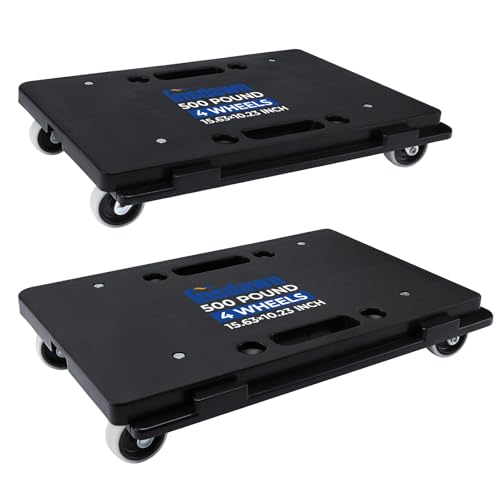
Utilizing a furniture dolly transforms the process into a manageable task. This wheeled platform minimizes strain and enhances maneuverability, especially on uneven surfaces.
Gather at least two strong individuals to assist. Coordinated lifting techniques, such as the “two-person carry,” ensure safety and efficiency. Clear pathways beforehand to prevent any obstructions that could lead to accidents.
Disassemble any removable parts. This may include legs, shelves, or hardware, which lightens the load and simplifies navigation through tight spots. Keep screws and small components in labeled bags for easy reassembly.
Using furniture sliders on the floor can protect surfaces and facilitate the sliding of hefty pieces across rooms. For additional assistance, stretchable straps can provide extra grip and stability during transportation.


Finally, measure doorways and hallways beforehand. Confirm that each item fits through these areas to avoid complications during the transition. Proper planning prevents unnecessary delays and ensures a smoother experience.
Preparing Your Space for Heavy Lifting
I ensure clear pathways by removing obstructions like rugs, small furniture, and decorative items. This prevents accidents and allows unhindered movement.
I also measure doorways, hallways, and stairs to confirm that bulky items will fit through without damage. Knowing dimensions in advance helps avoid frustrating second-guessing.
<p“I utilize protective coverings for floors and walls. Placing cardboard or furniture sliders helps prevent scratches and dents during transportation.
Having adequate lighting plays a key role. I turn on all lights and consider using additional lamps in darker areas to easily spot potential hazards.
I enlist the help of others. A reliable assistant makes a difference, whether for leverage or guidance in tricky spaces. Collaboration leads to safer execution.
I gather necessary equipment, such as dollies, straps, and lifting aids. This way I have everything at hand to efficiently handle larger items without injuring myself.
Before starting, I make a plan outlining the route taken during the relocation. A predetermined path helps in executing the task smoothly, minimizing confusion.
Choosing the Right Tools for Moving
I ensure I have the appropriate equipment ready for any relocation task. A furniture dolly is indispensable for transporting bulky items effortlessly across flat surfaces, minimizing strain while avoiding damage to floors. Invest in a heavy-duty dolly with a high weight limit.
Straps are another key asset. I favor ratchet straps or moving straps, which assist in holding loads securely and distributing weight evenly. This not only enhances safety but also facilitates teamwork.
For lifting, I opt for hand trucks. They are particularly useful in maneuvering through tight spaces, staircases, and uneven ground. Opt for a model with adjustable features to accommodate various types of items.
Protective gear holds significant value too. I always wear gloves to maintain grip while safeguarding against potential injuries. A sturdy pair of steel-toed boots adds another layer of protection against dropped objects.
Lastly, bubble wrap, moving blankets, and packing tape should be at hand for safeguarding valuables during transport. Properly wrapped pieces prevent scratches and dings during the process.
| Tool | Purpose |
|---|---|
| Furniture Dolly | Transport bulky items across flat surfaces |
| Straps | Secure loads and distribute weight |
| Hand Truck | Maneuver through tight spaces and staircases |
| Protective Gear | Prevent injuries during lifting |
| Wrap and Blankets | Protect items from scratches and damage |
Techniques for Lifting and Carrying Safely
Always bend at the knees, not at the waist. This technique helps to lift the weight closer to your center of gravity. Engage your legs and core muscles to provide strength and stability during the lift.
Body Positioning
Stand as close to the item as possible. Position your feet shoulder-width apart for balance. Shift your weight to your heels to lower your center of gravity, which enhances your stability while lifting. Maintain a straight back and avoid twisting your body; instead, turn your whole torso to change direction.
Team Lifting Strategies
Coordinate with a partner when tackling bulky items. Establish clear communication signals, like “lift” or “set down,” to synchronize your movements. Both individuals should be aware of the object’s dimensions and load distribution. Initiate the lift together, ensuring your grips are firm and secure before moving.
Utilizing Furniture Sliders and Dollies
For relocating bulky items with ease, I recommend using furniture sliders and dollies. Both tools significantly reduce friction and allow for smoother transport over different surfaces. Choose sliders that match the weight of the object; heavier pieces benefit from larger, sturdier sliders, while lighter items require smaller ones.
When positioning sliders, lift the item slightly and slide the pads underneath each corner, ensuring they are secure before attempting to shift the load. This simple action drastically minimizes the strain on your body during the process. For items with uneven bases, consider using multiple sliders to stabilize them while gliding.
Using Dollies for Transport
Dollies come in various types, such as flat, two-wheeled, or four-wheeled models. I prefer the four-wheeled options for larger items, as they distribute weight evenly and provide better balance. Make sure the dolly is rated for the weight you’re transporting. When securing the item, use straps to prevent any shifting that could lead to accidents.
To operate a dolly, tilt the item slightly back and slide the base underneath. Slowly lower it onto the platform and ensure it is centered. As I navigate through tight spots, I always keep one hand on the handle for control and push rather than pull to maintain leverage. This approach minimizes the risk of injury and protects my surroundings from damage.
Protecting Walls and Floors During the Move
Before lifting anything, I lay down protective coverings on the floors. Thick moving blankets or old carpets work wonders in safeguarding against scratches and dents. When navigating corners or narrow hallways, I keep a roll of bubble wrap handy. Wrapping corners of furniture prevents them from damaging walls.
Using corner protectors is another tactic I employ; these are simple foam or cardboard solutions designed to absorb impact. I secure them with tape to ensure they stay in place while maneuvering bulky items.
For floors, I opt for a combination of sliders and blankets. Placing sliders under the legs or edges allows for smooth movement, minimizing the risk of scuffing surfaces. When using sliders, I ensure the floor is clean to prevent debris from creating scratches.
I also pay attention to door frames. Placing a piece of cardboard over the frame helps avoid nicks and marks. I check the dimensions of doorways beforehand, ensuring that the items fit through without forcing them.
Lastly, throughout the entire process, I work with a partner. Having an extra pair of hands not only eases the physical strain but also allows for better control, keeping both walls and items safe from damage.
Disassembling and Reassembling Items When Necessary
Break down pieces to simplify transport. Start by removing any detachable parts such as legs, tabletops, or shelves. Use the appropriate tools like screwdrivers and wrenches to avoid damaging connections.
Steps to Follow
- Clear the area of any obstacles before starting the disassembly.
- Keep track of screws and small components. Use labeled bags to avoid confusion during reassembly.
- If possible, take photos of the assembled item to reference later.
- Work methodically; disassemble one section at a time, ensuring stability throughout the process.
Reassembly Tips
- Begin with the largest components and progress to smaller parts.
- Double-check all connections for tightness to ensure structural integrity.
- Ensure all moving parts operate smoothly before final placement.
This approach not only reduces the risk of damage but also facilitates easier handling of your belongings.
FAQ:
What tools do I need to safely move heavy furniture?
To safely move heavy furniture, you will need a few essential tools. First, furniture dollies are very helpful for rolling items across the floor. Next, moving straps or lifting straps can aid in lifting and carrying heavy pieces safely. If you have stairs to navigate, consider using a stair climber dolly for ease. A hardwood floor protector can help avoid scratches on your flooring. Additionally, having a set of gloves can also improve your grip and protect your hands during the move.
How can I prepare my home for moving large furniture?
Preparing your home involves a few important steps. Start by clearing pathways to minimize obstacles. Remove small items like decorations or lamps from surfaces or nearby furniture. If possible, disassemble larger pieces, such as taking off legs from tables or removing cushions from sofas. This can make the move easier. You might also want to consider using blankets or moving pads to protect both your furniture and walls from damage as you move through tight spaces.
Are there specific techniques to lift heavy furniture safely?
Yes, there are several techniques for lifting heavy furniture safely. First, always bend at your knees—not your waist—when lifting. This engages your leg muscles, which are stronger. When lifting with another person, coordinate your movements by counting to three before lifting. Ideally, use lifting straps to distribute weight and ensure a better grip. Always keep the furniture close to your body as you lift and move to reduce strain on your back. If it feels too heavy or awkward, don’t hesitate to ask for help.
Should I hire professionals for moving heavy furniture?
Hiring professionals can be a wise decision when it comes to moving heavy furniture. They have the experience, tools, and techniques to handle large items safely and efficiently. This can save you time and prevent injuries. If you have particularly valuable or fragile pieces, professionals can provide an additional layer of care. However, if you are on a tight budget or have people you can rely on for help, moving it yourself is an option. Just ensure that everyone involved is aware of safety practices.
What should I do if I encounter a difficult passageway while moving furniture?
Encountering a difficult passageway can be challenging, but handling it calmly is key. First, assess the situation. If the furniture is too wide or tall, consider removing doors or obstacles if possible. Sometimes angling the furniture can help it fit through tighter spaces. If you’re with a partner, communicate clearly on how to maneuver the item. If the item absolutely won’t fit, you might need to involve a disassembly process for that piece if it’s feasible. Always prioritize safety and avoid forcing furniture through narrow areas.


