
 Caleb Turner
Begin with securing the area. Clear any obstacles and ensure the pathway is free from debris to prevent slipping or tripping. This makes the process safer and more straightforward.
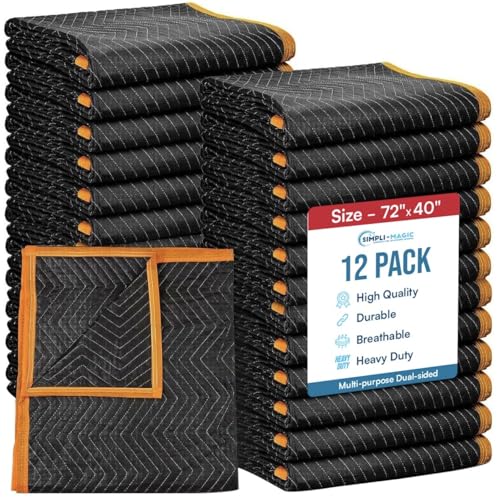
Invest in a few moving aids such as furniture sliders or moving blankets. These tools significantly lessen the friction between the ground and the object, allowing for smoother transitions across surfaces. Simply slide these under the item to facilitate easier handling.
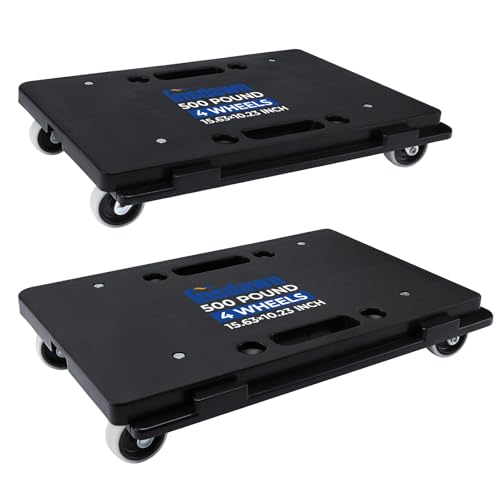
Use a dolly or hand truck as a practical solution for transporting substantial pieces. Ensure that the weight is evenly distributed, securing the item with straps if necessary to prevent it from shifting during transport.
Work with a partner to distribute the weight and manage the movement. Having someone assist can make it easier to navigate tight turns and prevent strain. Utilize proper lifting techniques, bending at the knees, and keeping your back straight to minimize fatigue and injury.


Preparing the Tile Surface for Moving
Clear the area of any obstacles to create a safe path. Remove rugs, decorations, and smaller items that might get in the way. This ensures I won’t trip or knock something over while transporting the bulky piece.
Inspect the floor for any cracks or chips. If the surface is damaged, I can consider applying a suitable filler to prevent further issues during the process. This small step helps in maintaining the integrity of the surface.
Clean the area thoroughly using a gentle cleaner suitable for ceramic or porcelain. A clean surface provides better traction for any sliders or moving pads I may use, reducing friction.
Use furniture sliders or moving blankets to avoid scratches. These tools will help distribute the weight and make gliding easier without harming the surface underneath.
Lastly, check the weight limits of any moving equipment I’m using, such as dollies or carts. Adhering to these limits will enhance stability and prevent accidental damage to the flooring.
Choosing the Right Tools for the Job
For this task, I rely on a few key implements to facilitate the lifting and repositioning process. Furniture sliders are indispensable; they reduce friction and protect the flooring. Ensure the sliders are suitable for the surface of the object I’m relocating.
Hand Trucks and Dollies
A sturdy hand truck or dolly is invaluable for transporting bulky pieces. I verify the load capacity, ensuring it matches the weight of the item to prevent accidents. Using straps can also secure the piece during movement, adding stability.
Padding and Blankets
I use moving blankets or furniture pads to cushion corners and surfaces, preventing scratches and damage during transit. Securing the blankets with tape or straps offers an extra layer of protection. Ensuring I have enough padding for all corners is key.
Protecting Surfaces from Scratches and Damage
Employing protective pads under corners can minimize contact and friction. I recommend using felt or rubber pads, which smoothly glide and guard against scratches. Opt for thicker pads for heavier objects, ensuring they effectively absorb weight and impact.
Using furniture sliders is another strategy. These specialized tools facilitate frictionless translation across flooring while shielding surfaces from scrapes. Select sliders designed specifically for the weight of the items being shifted.
Covering floors with clean cardboard or moving blankets adds an additional layer of defense. Lay these materials down where the pieces will travel, preventing direct contact with the surface and absorbing possible shocks during relocation.
Regularly checking for debris on the floor is crucial. Small particles can act like sandpaper when pressure is applied. I ensure the path is clear and clean before commencing any transition.
Gradually pushing rather than lifting or dragging also aids in preventing harm. I focus on a smooth, steady pressure to avoid sudden jolts that can create marks or cracks. It’s a simple adjustment that makes a significant difference.
Techniques for Lifting Heavy Objects Safely
Utilize the squat lift technique by bending at the knees and keeping your back straight. Position your feet shoulder-width apart for stability, grip the item firmly, and lift using your legs rather than your back.
Team Lifting
For larger pieces, enlist a partner. Coordinate your movements and agree on a count before lifting. This ensures synchronized effort and minimizes the risk of injury.
Sliders and Lifting Straps
Consider using sliders under each corner of the object, which allows for easy gliding across the floor. Lifting straps distribute weight more evenly, reducing strain while enhancing control during the ascent.
Using Sliders to Maneuver Objects on Tile
I recommend employing furniture sliders, as they simplify the relocation of bulk items across smooth surfaces. Select sliders that are specifically designed for hard floors; these generally feature a foam or felt bottom to minimize friction and prevent scratches. Ensure the size of the sliders matches the legs of the object, providing adequate support during the process.
Before starting, lift each corner of the piece slightly to slide a slider beneath. If the item is particularly cumbersome, consider using multiple sliders to enhance stability. For larger pieces, position the sliders in pairs under both ends, allowing for even weight distribution.
To facilitate movement, lean your body weight against the item while gently pushing or pulling. This method takes advantage of the sliders’ design, significantly reducing the friction with the surface underneath. If navigating corners or narrow doorways, adjust your grip to angle the object appropriately, ensuring a smooth transition without forcing it through tight spaces.
After repositioning, carefully remove the sliders from beneath the legs to restore stability. Inspect the area to verify that there are no scuff marks or damage left behind, ensuring the integrity of the flooring. With the right approach, utilizing sliders transforms an arduous task into a manageable one, protecting both the item and the surface beneath it.
Rolling items with moving blankets
To simplify the relocation of bulky objects, I recommend employing moving blankets as a rolling surface. These are soft yet durable, allowing for easy maneuverability while protecting the underlying ground. Start by laying out the blankets under the item to create a cushioned base. Ensure the blankets are large enough to cover the entire base of the object for stability during the movement.
Once the blanket is in place, I gently tilt the piece, allowing me to slide it onto the blanket. By using a slight lifting motion, I minimize the effort required, reducing strain on my back. With the object now on the blanket, I can push or pull it across the floor. The fabric reduces friction, allowing for smooth transport without scratching the surface beneath.
For added ease, I often reposition the blankets as I progress. If I encounter any resistance, I can adjust the placement or add more blankets to facilitate movement. Keeping the area clear of obstacles enhances safety and efficiency.
This method not only protects both the moving object and the surface but also allows for a more manageable approach compared to traditional lifting methods. Using moving blankets can help preserve the integrity of the tiles while successfully relocating your items.
Assembling a Moving Team for Heavy Items
I recommend gathering a team of at least four individuals to handle bulky belongings effectively. Ensure that each member understands their role before the lifting process begins. Assign specific tasks such as lifting, guiding, and clearing pathways to streamline efforts.
Choosing the Right Team Members
When selecting your team, consider individuals with a good sense of spatial awareness and physical strength. Friends or family members who regularly engage in physical activities may be ideal candidates. Also, ensure that team members are comfortable with clear communication to coordinate movements seamlessly.
Team Coordination and Communication
Establishing a clear system of communication is paramount. Utilize simple commands for lifting or adjusting positions, ensuring everyone is on the same page. During movement, designate a leader who can shout instructions so that all team members can follow along without hesitation.
| Role | Responsibility |
|---|---|
| Leader | Oversees the operation and gives instructions. |
| Lifters | Handles the bulk of the weight, lifting and lowering. |
| Guides | Directs the movement and clears the path. |
| Spotters | Ensures safety and offers assistance if needed. |
Ensuring everyone understands their role and collaborates will significantly reduce the risk of injuries and damage to surroundings. With a cohesive unit, tackling substantial objects becomes a more manageable task. Prior planning and teamwork make a huge difference in the handling process.
Best practices for navigating doorways and corners
Before approaching a doorway or corner, ensure to measure the width and height of both the item and the opening. This helps avoid any surprises during the process.
Preparation Steps
- Remove any obstacles in the path, including rugs or furniture that could impede movement.
- Disassemble components, such as legs or shelves, if possible. This can make handling the item more manageable.
- Check for hinges that may need adjusting or doors that may require removal to increase space.
Techniques for Effective Maneuvering
- Angle the item. Tilting can help navigate tight spaces while keeping it stable.
- Pivot at corners rather than pushing straight through. This allows better control and reduces the risk of scraping surfaces.
- Communicate with your team. Clear signals indicate when to lift, tilt, or stop, ensuring everyone is coordinated.
Using a furniture dolly can also aid in corner transitions. Position the dolly at an angle, allowing easier adjustments during turns.
Taking these practical steps enhances the likelihood of safely navigating tricky sections without causing damage.
Ensuring Stability During Transport
Keep items steady by securing them properly to prevent tipping or sliding.
Utilizing Straps and Ropes
- Use ratchet straps or heavy-duty rope to bind the load tightly.
- Attach straps to stable points on the piece, ensuring they remain secured throughout the process.
Creating a Stable Base
- Use a flat wooden board or a moving dolly as a base for larger items.
- Ensure even distribution of weight on the base to maintain balance.
Check the item’s alignment regularly. If it begins to tilt, readjust before continuing to transport it.
Transporting with Care
- Use slow, deliberate movements to prevent sudden shifts in balance.
- Have team members maintain communication about any adjustments needed during transit.
Monitor the piece continuously to ensure it remains stable, especially around turns and corners.
FAQ:
What are the best tools for moving heavy furniture on tile floors?
When moving heavy furniture on tile floors, a few tools can help make the process smoother and safer. Furniture sliders are excellent for protecting tile surfaces while allowing you to easily glide heavy items. You can find various types of sliders, such as plastic or felt options, which are designed for different furniture weights and tile types. Another useful tool is a furniture dolly, which allows you to lift and transport large pieces with minimal effort. For very heavy or awkwardly shaped items, consider using a moving strap, which helps distribute the weight and provides better leverage. Lastly, don’t overlook basic tools like blankets or pads that can protect both your furniture and the tile floor during the move.
How can I protect my tile floor while moving heavy furniture?
Protecting your tile floor while moving heavy furniture is crucial to prevent scratches or damage. Start by using furniture sliders under the legs of your furniture. These items reduce friction and allow for easier movement. If sliders aren’t available, a thick blanket or moving pads can be placed under the furniture to cushion it against the tiles. Additionally, avoid dragging the furniture; lift it instead or use a dolly to transport it. If the floor is particularly delicate or you’re unsure about moving certain items, consider covering the area with cardboard or old carpets as additional protection during the move.
What is the best technique for lifting heavy furniture to move it?
When lifting heavy furniture, using the right technique is key to preventing injury and making the move easier. Begin by assessing the weight of the item and determine if you need help. If it’s manageable on your own, stand close to the furniture with your feet shoulder-width apart for stability. Bend at your knees and keep your back straight, using your legs to lift rather than your back. Grasp the furniture firmly and stand up, keeping it close to your body to maintain balance. If the item is too heavy, enlist a friend and use a coordinated lift, counting to three before lifting simultaneously to avoid any sudden shifts in weight.
Are there specific furniture designs that are more challenging to move on tile floors?
Yes, certain furniture designs can pose more of a challenge when moved across tile floors. For instance, heavy cabinets with sharp corners or legs can risk scratching tiles if not handled carefully. Low-profile furniture or items with bulky bases can also be tricky, as they may not easily slide on sliders. Additionally, furniture with intricate designs or surfaces may require more care to avoid damaging both the furniture and the tile. Items that are particularly heavy or unevenly shaped could require more than one person to move effectively. It’s often helpful to plan ahead and have the right tools ready for such pieces.
What should I do if I accidentally damage my tile floor while moving furniture?
If you accidentally damage your tile floor while moving furniture, the first step is to assess the extent of the damage. For minor scratches, you might be able to fix them using a tile repair kit, which typically contains filler and a color-matching agent. If the damage is more significant, such as cracked tiles, you may need to replace the affected tiles entirely. Always consult a professional if you’re unsure about the repair process. Additionally, to prevent future damage, consider using protective measures such as sliders or padding when you move furniture in the future.
What methods can I use to move heavy furniture on tile floors without causing damage?
Moving heavy furniture on tile floors requires careful planning to prevent any scratches or damage. Start by clearing the area around the furniture. Consider using furniture sliders or moving blankets. Sliders can be placed under the legs of the furniture to allow it to glide across the tile smoothly. If you don’t have sliders, a moving blanket can act as a cushion. All you need to do is gently lift the furniture from one end and slide the blanket underneath, then drag it across the floor. Always ensure you have a few helpers if the furniture is particularly heavy. If possible, lift rather than drag the furniture to minimize stress on the tiles.


