
 Caleb Turner

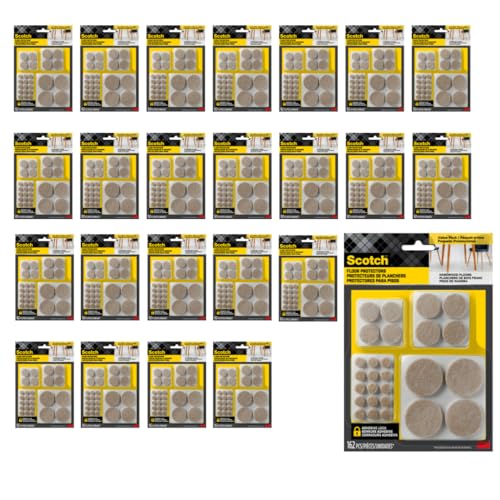
Use furniture sliders for a smooth glide across surfaces, preventing any damage. These small discs allow heavy pieces to be pushed instead of lifted, significantly reducing the risk of scratches.
Another effective method involves applying soft cloths or blankets underneath the legs of larger items. This creates a protective barrier, absorbing impacts and keeping the base free from marks.

Rolling carts are also beneficial; they allow you to transport things with ease. Just make sure the wheels are clean to avoid bringing dirt onto your surfaces.
For those unmatched points of stress, consider using a team to lift and carry. This ensures each piece is handled with care, avoiding dragging that can lead to unwanted damage.
Lastly, keep a close check on the weight distribution. Off-balance loads can lead to wobbling, causing unexpected scrapes. Keeping everything centered allows for more controlled movements.
Tips for Protecting Your Surfaces
Utilize felt pads on the bottom of every item you shift. They create a barrier between surfaces and provide a smooth glide, reducing the chance of damage.
Employ a sizable blanket or rug underneath the object before lifting. This creates a cushion, preventing direct contact with the ground while also allowing for an easy slide.
Invest in sliders specifically designed for larger pieces. They are made to handle substantial weight and effortlessly glide across the surface.
Ensure the path is clear before relocating anything to avoid unintentional bumps and scrapes. This includes removing obstacles, debris, or loose items.
Consider using a dolly for heavy pieces. It minimizes the strain on both the item and the flooring, allowing for safer transport.
Plan the arrangement beforehand. Visualizing the final layout reduces back and forth movement, which can lead to accidents.
Always lift with your legs, not your back. This reduces personal strain and the risk of dropping the piece onto surfaces.
When dealing with delicate items, ask for help. Two sets of hands can navigate tight spaces more efficiently and minimize potential harm.
Apply a protective coat to your surfaces. This can enhance durability and add a barrier against potential damage.
Finally, if you notice any wear or marks after the task, address them immediately with appropriate products to restore the finish and maintain the integrity of the surface.
Choose the Right Moving Supplies
Selecting appropriate materials is key to preventing damage during relocation tasks. I always keep certain items on hand for this purpose:
- Furniture Sliders: These pads adhere to the bottom of each leg. They allow for smooth gliding, minimizing friction against surfaces.
- Moving Blankets: Wrapping large items in blankets protects against nicks and scratches. I recommend securing them with straps or tape for added stability.
- Ramps: For heavier or bulkier pieces, a ramp can reduce strain while providing a smooth transition across thresholds.
- Dolly or Hand Truck: Utilizing these devices helps distribute weight evenly, making it easier to transport sizable items.
- Cardboard or Pallets: Placing cardboard or wooden pallets beneath objects can serve as a protective barrier. This is especially useful when navigating through tight spaces.
Each of these supplies enhances the process, keeping surfaces intact. I’ve found that investing in quality materials pays off in the long run.
Protective Padding for Furniture Legs
Consider attaching felt pads to the base of each leg. These soft materials create a buffer between the item and the surface beneath, minimizing damage during relocation. Ensure you choose high-density pads that won’t compress too quickly.
For irregularly shaped legs, adhesive foam strips offer excellent customization. Cut them to size and apply to the leg–this provides ample protection while allowing for flexibility in movement.
In addition to felt, rubber caps can be effective, especially for heavier pieces. Their grip prevents slippage and provides solid protection against impact.
For a more permanent solution, consider using gliders. These are affixed to the legs and allow for smooth rolling across surfaces, making adjustments easier while safeguarding against abrasion.
Lastly, regularly check the condition of whatever padding you use. Replace worn or damaged components to maintain optimal protection over time.
Sliding Methods to Reduce Friction
Utilizing cardboard slides can significantly decrease resistance when relocating heavier items. Simply cut pieces of cardboard and place them underneath the base of the object. The smooth surface facilitates gentle gliding across the surface.
An alternative is to employ furniture sliders, which are small disks that fit under the legs of larger pieces. These sliders create a cushion of air or use a gliding surface, allowing for seamless transportation while safeguarding the underlying area.
Another technique involves using plastic wrap. By wrapping the base of the item thoroughly, the slick surface reduces friction, making it easier to slide across the ground. This method requires careful handling to maintain stability during the process.
If the job is more challenging, consider a moving dolly. This wheeled platform allows greater portability while evenly distributing weight. Ensure the dolly has sufficient surface area to accommodate the object’s base without compromising balance.
In situations where you need to pivot or rotate items, placing cloth or old towels beneath can help. These materials provide a smoother transition during repositioning while dampening vibrations that might affect the surface.
Proper Lifting Techniques for Heavy Items
Maintain a stable base by positioning feet shoulder-width apart. This stance enhances balance and control during the lifting process.
Steps for Effective Lifting
- Squat down by bending your knees while keeping your back straight.
- Grip the item firmly with both hands, ensuring a solid hold.
- Engage your core muscles, which helps in stabilizing your body.
- Lift with your legs, not your back, straightening your knees to stand up.
- Keep the object as close to your body as possible to minimize strain.
Avoiding Strain
- Take breaks if needed to avoid fatigue, which can lead to accidents.
- If an item feels too heavy, ask for assistance rather than risking injury.
- Be mindful of your surroundings to avoid obstacles while lifting.
Utilizing Furniture Sliders and Pads
For seamless relocation of heavy pieces, I rely on furniture sliders. These small tools reduce friction, enabling smooth gliding across surfaces. Choose sliders with a hard plastic base for heavier items or soft materials for lighter ones. Position them under the legs or edges of the item for optimal effect.
Pads serve a dual purpose; they protect both the surface and the item itself. Invest in felt pads that can adhere to the bottom of legs, providing a cushion that buffers impact. Ensure the pads are appropriately sized for the legs to maximize coverage and protection.
When utilizing these tools, assess the weight and size of each object. A single slider or pad may suffice for lighter pieces, while heavier items might need several. Planning placement ahead of time helps avoid awkward adjustments during the process.
I also recommend testing the sliders or pads on an inconspicuous area before full implementation. This reduces the risk of any unforeseen issues once the movement begins. A little preparation can save significant effort and potential damage later on.
Planning the Layout Before Moving
I recommend sketching a detailed layout of the space before relocating items. Measuring dimensions of both the room and the objects ensures that everything fits as intended. Utilize a tape measure to confirm the width of doorways and hallways, which can be tight spots for larger pieces.
Consider Zones and Flow
Designate specific areas for different activities, such as relaxing, working, or entertaining. This organization helps when determining where larger items will reside. Pay attention to traffic patterns; avoiding blockages will enhance the overall functionality of the environment.
Mock Arrangements
Creating mock setups using masking tape on the floor can visualize the space allocation accurately. This technique allows for adjustments without lifting heavy objects repeatedly. Experiment with various configurations to identify the most appealing and practical arrangement.
Finally, enlisting a friend to assist in planning can provide fresh insights and help establish a collaborative approach. Mutual brainstorming often uncovers innovative solutions that may not have emerged while working alone.
Regular Maintenance Tips for Wood Floors
I recommend regularly cleaning the surface with a microfiber mop. This approach effectively removes debris without causing damage, unlike traditional brooms that may leave scratches.
For deeper cleaning, use a pH-neutral cleaner specifically designed for hardwood. Avoid harsh chemicals that can strip the finish, leading to dullness.
Routine Care Schedule
Establish a weekly regimen for sweeping and mopping. A monthly schedule for deeper cleaning can extend the lifespan of the finish. Consider scheduling professional cleaning every year to rejuvenate the appearance.
Humidity Levels
It’s crucial to monitor indoor humidity, maintaining it between 30% and 50%. Use dehumidifiers or humidifiers as needed. Extreme fluctuations can lead to warping or gaps in planks.
| Maintenance Task | Frequency |
|---|---|
| Dusting/Sweeping | Weekly |
| Mopping with Cleaner | Monthly |
| Professional Cleaning | Yearly |
| Humidity Check | Monthly |


