
 Caleb Turner
Planning the relocation of your belongings requires a systematic approach. Begin by categorizing items based on their size and weight. This will help determine the number of individuals needed for assistance and the type of vehicle required for transport.
Utilizing proper packing materials is crucial. Invest in sturdy boxes, bubble wrap, and packing tape. Label each box clearly to simplify the unpacking process and ensure that everyone knows where each item belongs. For delicate or heavy objects, consider wrapping them in blankets or specific protective gear.


Prior to departing, create a clear timeline for the day of the transfer. Allocate specific times for disassembling larger pieces, loading them into the vehicle, and setting them at the destination. Taking breaks and staying organized will help alleviate stress during this physically demanding process.
Guidelines for Relocating Items to a New Location
Use appropriate protective gear. Gloves and sturdy footwear prevent injuries while handling heavy objects. Additionally, consider a back support belt to avoid strain.
Prioritize disassembly. Remove legs from tables, take off backs from chairs, and disassemble beds to reduce bulk. Keeping screws and small parts together in labeled bags simplifies reassembly later.
Leveraging Tools
Utilize dollies or hand trucks for transporting larger pieces. Ensure items are secured with straps or ropes during transit to prevent movement. For stairs, use a stair climber dolly to ease the burden.
Safe Transport Methods
If renting a vehicle, opt for a truck with a ramp for easier loading and unloading. Secure items with blankets and ropes inside the vehicle to avoid damage. Check weight limits to ensure safe transport.
Choosing the Right Moving Supplies
Selecting appropriate supplies significantly impacts the success of transferring belongings. I recommend focusing on the following items:
- Boxes: Obtain various sizes. Sturdy cardboard boxes are essential for secure packing. Small boxes are suitable for heavy items, while larger ones can accommodate lighter possessions like bedding or clothes.
- Bubble Wrap: Ideal for delicate items. Wrap fragile belongings individually to prevent damage during transit.
- Stretch Film: Use this to keep small items bundled together or to protect surfaces from scratches. It’s particularly effective for securing furniture drawers and keeping doors closed.
- Packing Tape: Invest in quality tape. It should seal boxes tightly, ensuring durability. I suggest using a tape dispenser for ease of application.
- Labels: Clearly mark boxes with contents and destination rooms. This will expedite unpacking and organization in the new location.
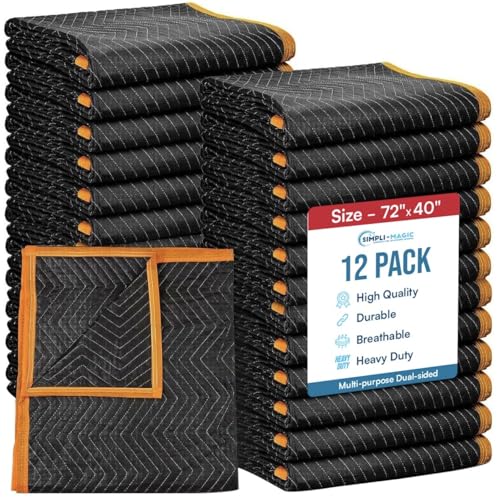
- Furniture Pads: Utilize these to protect larger pieces. They also help prevent scratches and dents when transporting.
- Dolly or Hand Truck: Essential for moving heavy items. This equipment reduces manual effort and enhances safety.
Planning and gathering these supplies ahead of time can streamline the process and minimize stress. Always check the condition of your materials before usage to ensure reliability during the move.
Planning the Layout of Your New Home
Begin by creating a detailed floor plan of your new space. Measure each room accurately and note the dimensions, including doorways and windows. Utilize graph paper or design software to visualize the arrangement of your belongings.
Identify multifunctional areas within the layout. Consider how each space can serve various purposes–living, working, or entertaining. For example, a den can transform into a guest room with the right arrangement.
List your items according to size and function. Label them as small, medium, or large. This classification aids in determining placement feasibility within the designated areas.
Establish focal points in every room. A fireplace, large window, or entertainment center can guide your arrangement decisions. Position seating and other items to enhance these focal areas, ensuring they remain attractive and accessible.
Prioritize flow and accessibility. Maintain clear pathways for movement within the rooms, allowing easy transitions. Avoid overcrowding spaces by keeping a balance between the amount of items and the available area.
Consider traffic patterns. Anticipate how you and your guests will navigate through the space. Ensure that essential items like chairs and tables don’t obstruct common pathways.
After sketching your initial plans, conduct a mock setup. Use tape to outline furniture dimensions on the floor, allowing for a physical representation without heavy lifting. Adjust as necessary based on the overall feel and comfort level.
| Item | Size | Current Location | Proposed Location |
|---|---|---|---|
| Sofa | Large | Living Room | Family Room |
| Dining Table | Medium | Dining Room | Kitchen Nook |
| Desk | Small | Bedroom | Home Office |
Review and refine the layout continuously. Invite feedback from family or friends to get fresh perspectives. Each adjustment will contribute to a more comfortable and functional living environment.
Preparing Furniture for Transport
Begin by cleaning each piece thoroughly. Dust and spot clean surfaces to prevent dirt from transferring during transport.
Disassembly Process
Take apart items that can be dissembled, like beds or shelves. Keep screws and small parts in labeled bags attached to their respective items to prevent loss.
Protective Materials
- Use bubble wrap or moving blankets to cover delicate surfaces, reducing chances of scratches.
- For larger items, consider corner protectors to shield edges during transit.
- Fill empty spaces within items like drawers or cabinets with packing paper or soft cloths to minimize movement.
Label each box or wrapped item clearly, indicating content and destination room in the new residence. This streamlines unpacking after arrival.
Lastly, avoid stacking heavier pieces on top of lighter ones during transport to avert damage. Ensuring stability within the transport vehicle is paramount for a secure journey.
Disassembling Large Items Safely
I always begin with gathering the necessary tools: a screwdriver, hammer, and a pair of pliers. Prioritizing safety, I ensure to disconnect power sources, like removing plugs and batteries, before starting the disassembly.
<p.for the larger pieces, such as beds or desks, I make a detailed plan by taking photos of the assembled item to aid in reassembly later. I label each part and hardware using zip bags or tape to prevent loss.
Working systematically is key; I loosen screws or bolts gradually, ensuring not to strip any hardware. If pieces are stubborn, a gentle tap with a hammer can help, but I always apply pressure cautiously to avoid damage.
For glass components, such as tabletops, I carefully wrap them in blankets or bubble wrap, securing them with tape for extra protection. Using a sturdy cart or dolly for transport keeps the risk of breakage low.
Ultimately, ensuring each step is deliberate and organized minimizes stress and potential damage during the process.
Loading the Moving Vehicle Strategically
Begin with heavier items. Position large appliances and furniture pieces at the back to create a solid base. This ensures stability during transport.
Prioritize Weight Distribution
Balance the load by distributing weight evenly across the vehicle. Place heavier items on the bottom and lighter ones on top to avoid shifting during transit.
Use Proper Packing Techniques
- Wrap delicate pieces with bubble wrap or blankets to prevent scratches and breaks.
- Fill any gaps with soft materials, like pillows or towels, to minimize movement.
- Secure items with straps or ropes to keep everything in place.
Consider the order of loading based on the unloading sequence. Place items needed first, such as bedding or kitchen essentials, at the front for easy access.
Utilize vertical space effectively. Disassemble larger items when possible to save room and ease handling. Stack smaller boxes in every available area, using their dimensions wisely.
- Label boxes clearly to streamline unpacking.
- Ensure that the doors of the vehicle aren’t obstructed by oversized pieces.
Check the vehicle’s weight limit. Overloading can lead to vehicle issues and safety concerns during travel. Regularly step back to assess the arrangement and make adjustments as necessary.
Transporting Fragile and Valuable Pieces
Wrap each delicate item with multiple layers of bubble wrap or foam padding. Secure the wrap with tape, avoiding direct contact with surfaces that may scratch. For glass or ceramics, consider placing soft cloths in between pieces to further prevent movement during transit.
Custom Crating Solutions
For highly valuable artifacts or antiques, custom crates provide optimal protection. Measure dimensions accurately and have professional crating services create boxes that fit snugly, minimizing movement. Include padding within the crate to absorb shocks.
Proper Handling Techniques
Employ careful lifting techniques–bend your knees and keep your back straight. Always use two hands for better control, especially with heavier pieces. Communicate clearly with helpers to coordinate movements, reducing the risk of accidents.
Unpacking and Setting Up in Your New Space
Begin with essential items. Locate your basic necessities–clothes, kitchenware, and toiletries–first. Prioritize those boxes; they streamline the settling-in process.
Organize by Room
As soon as the boxes arrive, categorize them by room. This approach minimizes confusion and reduces the time spent searching for items later. For instance, designate separate areas for kitchen goods, bedroom essentials, and living room decor.
Furniture Arrangement
Before unpacking everything, visualize the arrangement of larger pieces. Use the layout plan you devised earlier to position items effectively. Consider factors like natural light, flow between spaces, and functional usage. Once the big pieces are in place, fill in with smaller items and decorative elements that personalize the area.
Unpack systematically–start with the most frequently used areas and gradually move to less critical spaces. This method helps create a homely environment quicker, allowing for comfort amidst the chaos.
Finally, take your time to enjoy the process. Setting up is not just about placing items; it’s about making the space reflect your style and needs.
Managing Potential Challenges During the Move
Anticipate unexpected difficulties by preparing detailed contingency plans. I always create a checklist categorizing potential issues such as delays, damage, or logistical complications. Prioritizing these factors ensures smoother transitions.
| Challenge | Solution |
|---|---|
| Bad Weather | Monitor forecasts closely and schedule transport during clear weather. Have protective covers ready for items. |
| Delays in Timing | Maintain flexibility in scheduling. Confirm availability of helpers and transportation a day prior. |
| Heavy or Bulky Items | Enlist extra hands or professional help. Use proper lifting techniques and equipment. |
| Difficult Access | Measure doorways and hallways in advance. Consider using an elevator or moving items through windows when possible. |
| Damage During Transit | Utilize sturdy packing materials and secure items properly. Label boxes fragile and ensure they are handled with care. |
If I encounter a challenge, I reassess the situation and adjust my approach immediately. Keeping a positive attitude helps mitigate stress. Additionally, clear communication with all involved parties ensures everyone is aligned on expectations.
Finally, taking time to review the entire process after the relocation helps identify areas for improvement. Learning from each experience prepares me better for future endeavors.
FAQ:
What is the best way to prepare furniture for moving?
Preparing furniture for relocation involves several steps. First, clear the area around the furniture to create a safe moving path. Next, disassemble larger items, like bed frames or dining tables, to make them easier to handle. Protect surfaces with blankets or bubble wrap to prevent scratches. Use tape to secure any loose parts and gather all necessary tools nearby to streamline the process. For delicate items, consider using specialized moving boxes to ensure their safety during transit.
How can I move heavy furniture without damaging my house or the furniture itself?
To move heavy items safely, use furniture sliders or moving straps. These tools help reduce friction and distribute the weight more evenly. Before attempting to lift, plan your route to avoid obstacles. It’s advisable to have at least one more person to assist with the lifting. Always keep your back straight and use your legs for lifting to avoid injury. If stairs are involved, go slowly and communicate with your lifting partner. If it seems too challenging, consider hiring professional movers.
What items should I prioritize when packing for a move?
When packing, you should prioritize essential items that you will need immediately after the move, such as toiletries, clothing, and basic kitchen supplies. Furniture and larger items should be sorted based on how frequently they are used. You can also consider packing items that are least used first. Label each box clearly with its contents to make unpacking easier. Ensure fragile items are packed securely to avoid damage during transit.
Are there any tips for moving furniture in bad weather conditions?
Moving during inclement weather requires extra caution. If possible, try to schedule your move for a day with better weather. If not, protect your furniture with waterproof covers and ensure the paths you are using are dry to prevent slipping. Use mats or towels to wipe your feet and the moving equipment regularly. If roads are hazardous, consider waiting for conditions to improve or consult a professional moving service experienced in handling such situations.
Should I hire professionals for furniture moving or do it myself?
Deciding whether to hire professionals or do it yourself depends on several factors such as budget, the complexity of the move, and the amount of furniture you have. If you have heavy or bulky items, or if you’re moving long distances, professionals can simplify the process and ensure safety. However, if you are moving locally and have manageable pieces, a DIY approach can save costs. Evaluate your physical capability and available help to make the best decision.
What are the best tips for packing furniture before a move?
Packing furniture for a move requires careful planning to ensure that each piece remains safe and undamaged during transport. First, disassemble any large items that can be taken apart, like beds and tables, to make them easier to move. Use moving blankets or padded furniture covers to protect surfaces from scratches. Bubble wrap or foam is useful for delicate parts or ornate details. For smaller items, securing them in sturdy boxes is advisable, and you should label each box according to its contents and the room it belongs to. Additionally, taking photos of how furniture is assembled can be helpful for reassembly at your new home.


