Caleb Turner

First, ensure you have the right tools for the task. Invest in a sturdy dolly or hand truck, which can significantly reduce the strain on your body. Additionally, a set of furniture sliders can make gliding heavy objects across floors effortless, preserving your surfaces from scratches.
Next, assess the route you plan to take. Remove obstacles such as rugs, cords, or small furniture to create a clear path. Measure doorways and staircases to verify that the item will fit through without damaging either the item or the surroundings.
Before lifting anything, it’s critical to practice proper body mechanics. Bend your knees and keep your back straight while using your leg strength to lift. This technique minimizes the risk of injury. If the item is particularly cumbersome, consider disassembling it into smaller components, which can make transportation easier.



Lastly, don’t hesitate to enlist help from technology. Using a moving app can assist in organizing the logistics of your undertaking, including timing and necessary supplies, ensuring that the process is seamless and straightforward.
Techniques for Handling Heavy Items Alone
Begin by assessing the weight and dimensions of the item to determine the best approach. Utilize proper equipment such as a dolly or furniture sliders for smoother transport.
Preparation and Materials
Gather the following before proceeding:
- Dolly or hand truck
- Furniture sliders or moving pads
- Straps for securing
- Protective gloves
- Measuring tape
Clear pathways and remove obstacles in advance to avoid mishaps during the relocation process.
Techniques for Safe Lifting
Use the following techniques to ensure safety:
- Position yourself close to the item, with feet shoulder-width apart.
- Bend at the knees, keeping your back straight.
- Grip firmly with both hands and engage your core muscles.
- Stand up slowly while balancing the weight.
For larger items, slide them on furniture sliders across the floor instead of lifting. Use the dolly for vertical transport, securing the item with straps to prevent slipping.
Choosing the Right Tools for the Job
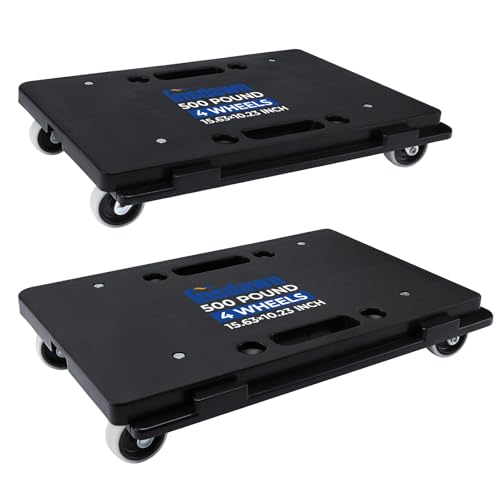
For a successful relocation of larger items, having the appropriate instruments is key. A reliable furniture dolly stands out as a top choice, significantly reducing the physical strain involved. Opt for a four-wheeled model, which provides better stability and weight distribution compared to two-wheeled options.
Additional Implements
Two moving straps can greatly assist in bearing the weight of bulky objects while minimizing the risk of injury. Utilize these alongside a hand truck; this combination makes it easier to lift and maneuver items through narrow spaces or over door thresholds.
Safety Measures
Don’t overlook safety gear: wearing gloves can prevent slips and protect hands from scrapes. Consider knee pads if navigating stairs; they provide extra cushioning. Having a friend available for assistance, even if just for guidance, can enhance safety and reliability during the process.
Assessing the Size and Weight of Your Furniture
Determine the dimensions of the object by using a tape measure. Measure the height, width, and depth to understand how much space it occupies. Factor in any additional attachments like shelves or legs that may affect handling.
I also recommend weighing the item. If you don’t have a scale large enough, you can break it down into smaller components and weigh them separately. Keep a notepad handy to record these figures for future reference.
Consider the material composition. Solid wood, for instance, is typically heavier than composite materials. This knowledge helps gauge the difficulty level in lifting and relocating plans. Pay attention to any fragile parts that may affect handling, requiring extra caution.
Visualize the path I need to take for the relocation. Measure doorways, staircases, and any tight spaces to ensure the item will fit without obstruction. Knowing the exact dimensions prevents unnecessary delays and damage.
Lastly, think about balance. Items that are top-heavy may be more difficult to maneuver. Take stock of the center of gravity, and adjust your lifting technique accordingly to avoid accidents or injury.
Preparing the Path for Movement
Clearing the route before tackling the task is essential. I ensure I have an unobstructed path by taking the following steps:
- Remove any obstacles–furniture, decor, or other items that might impede progress.
- Check doorways and hallways for adequate clearance. I often measure the width and height to avoid surprises.
- Secure loose rugs or carpets to prevent slipping. I often use double-sided tape or non-slip pads.
- If necessary, plan for disassembling items. For larger objects, I detach legs or shelves when possible to make passage easier.
Protecting Surfaces
I take precautions to shield floors and walls from damage or scratches:
- Lay down moving blankets or towels in high-risk areas.
- Use corner guards or foam padding to protect walls.
Gathering Assistance
Even with proper arrangements, enlisting help can be beneficial:
- Notify household members of my plans to ensure they can assist when needed.
- Consider recruiting a friend for additional hands or an extra pair of eyes.
Proper preparation makes the entire process smoother and ensures that I can transport items without unnecessary delays or issues.
Using Proper Lifting Techniques
Position my feet shoulder-width apart for stability and balance. Engage my core muscles to provide support and reduce strain on my back. Bend at the knees, not the waist; this helps in keeping my back straight while I lower my body to grasp the object. Grip the item firmly at its center of gravity to maintain control.
Before I lift, I take a moment to prepare mentally. I focus on a smooth, steady motion. Initiating the lift with my legs rather than my back is crucial; I push through my heels while standing upright. Keeping the weight close to my body minimizes strain on my arms and back.
If the item has corners or handles, I use them to grip securely. I coordinate my movements with my body, pivoting on my feet and avoiding twisting my torso while shifting its position. This reduces the risk of injury and makes the process more manageable.
Throughout the entire lift, I breathe steadily. This maintains my energy levels and keeps me focused. If I encounter difficulty, I don’t hesitate to set the item down and readjust my grip or stance before continuing. Patience during this process proves beneficial in achieving success without injury.
Leveraging Tools for Better Control
For optimal handling, I recommend utilizing the right tools. A furniture dolly significantly reduces strain and enhances maneuverability, especially on flat surfaces. Selecting one with a sturdy base and rubber wheels allows for smooth movements, minimizing damage to both the item and flooring.
Another valuable implement is a set of furniture sliders. By placing these under the legs of larger items, I can glide them across surfaces with ease. This technique is ideal for protecting hardwood or tile floors from scratches.
Straps designed specifically for lifting can provide extra support. These allow me to distribute weight evenly, reducing the risk of injury. When securing the object with these straps, I ensure a snug fit, preventing any slipping during transit.
Below is a table summarizing the tools I found most helpful:
| Tool | Usefulness |
|---|---|
| Furniture Dolly | Ideal for transporting heavy items with minimal effort. |
| Furniture Sliders | Perfect for gliding items across surfaces without scratching. |
| Lifting Straps | Helps to evenly distribute weight for safer lifting. |
| Extension Cords | Ensures adequate reach to power tools or lighting if needed. |
Having these tools at hand allows me to exert better control over the movement and placement of heavy objects. Each item plays a crucial role in ensuring a smoother relocation process, reducing physical strain, and protecting my living space.
Padding and Protecting Your Furniture
Secure padding is key before initiating the relocation of bulky items. I recommend using blankets or padded moving straps to cushion the surfaces, minimizing potential damage during transit.
Materials to Consider
- Moving blankets – they offer excellent cushioning and are widely available.
- Bubble wrap – ideal for fragile elements that may need extra protection.
- Carpet or rug remnants – these can be used effectively to shield corners and edges.
Steps to Prepare
- Cover delicate surfaces with blankets, ensuring all edges are secured.
- Use tape to keep the padding in place, avoiding slippage.
- Wrap smaller items separately to prevent them from banging against each other.
After adequately padding each surface, ensure everything is tightly secured to prevent shifting. This extra effort significantly reduces the likelihood of scratches, dents, or broken components during transportation.
Securing the Furniture During the Move
To ensure stability during the transport, I always use strong straps or ropes to tie down belongings securely. Wrapping the item with a moving blanket can protect surfaces from scratches while providing an extra layer of security when fastening.
Recommended Tools for Securing
Here’s a concise list of useful materials:
| Tool | Purpose |
|---|---|
| Straps | To hold items firmly in place |
| Moving blankets | To cushion and protect from damage |
| Bubble wrap | For delicate parts requiring extra softness |
| Duct tape | For quick fixes and ensuring items stay bundled |
Best Practices for Securing
When fastening, I loop the straps around sturdy parts of the object, avoiding edges that might bend or break. Tightening the straps gradually rather than all at once helps prevent shifting. Regularly checking the stability while progressing saves me from surprises later.
Using sturdy boxes for smaller items enables a secure stack. I label them clearly to identify contents easily when unpacking. Ensuring that nothing is precariously placed helps maintain the integrity of the transport.
Navigating Doorways and Tight Spaces
Ensure to measure both the item and the openings in advance. This preparation helps visualize how the object will fit through each doorway or narrow area. It’s helpful to mark the dimensions on the wall at the level of the object’s height for quick reference.
When approaching a doorway, try angling the object to find the best fit. Tilting it or turning it sideways often allows greater passage instead of attempting to squeeze it straight through. If the object has removable components, consider disassembling them temporarily to make the process easier.
Using Sliders or Blankets
Invest in furniture sliders or place moving blankets under the item to facilitate movement through confined areas. These tools help reduce friction and allow for smoother shifts, especially over thresholds or uneven surfaces.
Enlisting Help for Tough Spots
Don’t hesitate to ask a friend for assistance when facing particularly tight spaces. An extra set of hands can help guide and stabilize, preventing potential damage to both the object and surrounding areas. Additionally, consider leveraging a dolly for heavier items, as it can maneuver through narrow passages more easily.
Safely Maneuvering on Different Flooring Types
Use furniture sliders on hardwood or tile floors to minimize friction and prevent scratches. These sliders allow for smooth gliding, reducing the effort required. Ensure the sliders are securely attached to the base of the item before attempting to shift.
For carpeted areas, consider a wheeled dolly or a hand truck with rubber tires to maneuver with ease. The wheels can roll over the fibers without snagging, making this option practical for heavier loads. If available, enlist a helper to guide the furniture, maintaining balance while pushing or pulling.
On uneven surfaces, like pavers or gravel, a sturdy platform dolly provides stability. Secure the item with straps to prevent it from shifting during transit. Move slowly and carefully to navigate dips and inclines without losing control.
Always assess the condition of the flooring before starting. Ensure that there are no loose tiles, warped boards, or uneven sections that could cause injuries or damage. Keeping your path free of clutter will enhance safety across different surfaces.
For pivoting or turning corners, reposition the item slightly to lean it onto its edge, allowing for a tighter turn. Utilizing leverage and body weight effectively will facilitate movement without straining yourself.
Transitioning between flooring types involves slowing down and adjusting your lifting technique. For example, moving from a hard surface to carpet may require lifting slightly higher to compensate for the change in friction. This adjustment helps maintain control and reduces risk.
FAQ:
What are some tips for lifting heavy furniture safely?
To lift heavy furniture safely, first assess the weight and size of the piece. Make sure you have a clear path to move it. Bend your knees, keep your back straight, and use your legs to lift instead of your back. If possible, try to get a grip on the furniture with both hands and pull it towards your body. Consider using furniture sliders or a dolly to reduce strain during the move.
How can I protect my flooring when moving a large piece of furniture?
To protect your flooring, place cloth or cardboard underneath the piece of furniture to avoid scratches. You can also use furniture sliders to help glide the furniture across the floor. If you’re moving on carpet, a piece of plywood can provide a sturdy base to minimize damage while moving the item. Taking these precautions will help keep your floors in good condition during the move.
What’s the best way to maneuver a large furniture item around corners?
Maneuvering large furniture around corners can be tricky. First, ensure you have adequate space to move the piece without obstruction. You can start by tilting the furniture slightly and guiding it through the corner, using your body as leverage. If it’s still difficult, consider removing any legs or sections of the furniture that can be detached. This can make it easier to navigate tight spaces.
Are there any tools that can assist me in moving big furniture alone?
Yes, several tools can assist in moving large furniture. Furniture dollies are excellent for transporting heavy items easily. Furniture sliders, which are placed under the furniture legs, help glide pieces across the floor. You might also consider a lifting strap or moving harness, which allows you to distribute weight evenly and reduces the risk of injury. All of these tools can make the process more manageable.
How should I prepare my home before attempting to move large furniture?
Before moving large furniture, you should prepare your home by clearing a path to the exit. Remove any small items, rugs, or obstacles that could get in the way. If possible, measure doorways and hallways to ensure the furniture can fit through without difficulty. It’s also a good idea to ask someone to help you, even if it’s just for guidance. Taking these steps will make the process smoother and safer.
What are some effective techniques for moving a large piece of furniture by myself?
When moving a large piece of furniture alone, there are several techniques you can use to make the process easier. First, try to disassemble the furniture if possible. This will reduce its weight and size, making it easier to carry. If disassembly isn’t an option, utilize furniture sliders or a dolly. Place sliders under the legs of the furniture, which allows you to push or pull it with minimal effort. If you have stairs to navigate, it’s advisable to use a strap to help support the piece as you carry it up or down. Additionally, using your body weight to leverage the movement can aid in shifting the weight. Remember to take frequent breaks and avoid straining yourself.