
 Caleb Turner
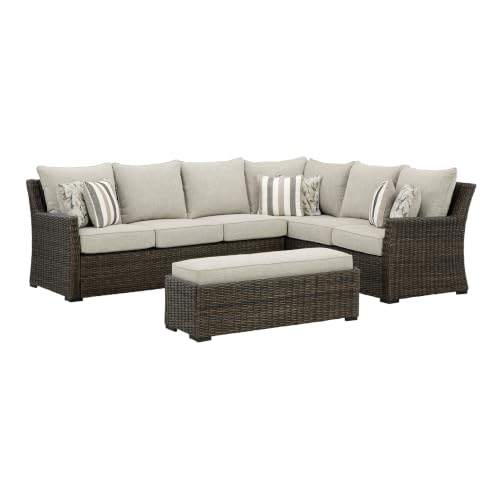
Transform that worn-out rattan chair into a stunning centerpiece by applying a fresh coat of paint. Choose colors that complement your interior design, while also ensuring durability with a weather-resistant finish. A rich navy or muted sage can breathe new life into outdoor spaces, making them inviting and modern.
Incorporate contemporary fabrics into your seating by reupholstering cushions with bold patterns or textures. Consider using indoor-outdoor fabric that withstands the elements while adding a layer of comfort and style. Pairing lighter shades with vibrant prints can create a striking contrast that elevates the entire aesthetic.
Add personal touches by accessorizing with throw pillows and blankets. This not only enhances comfort but also allows for seasonal updates without significant investment. Experiment with mix and match fabrics; unexpected combinations can yield a beautifully curated look.
Lastly, consider integrating your pieces into a more eclectic setup. Pair them with minimalist or industrial elements such as metal tables or glass accents. This juxtaposition highlights the elegance of handmade masterpieces while grounding them in a fresh context.

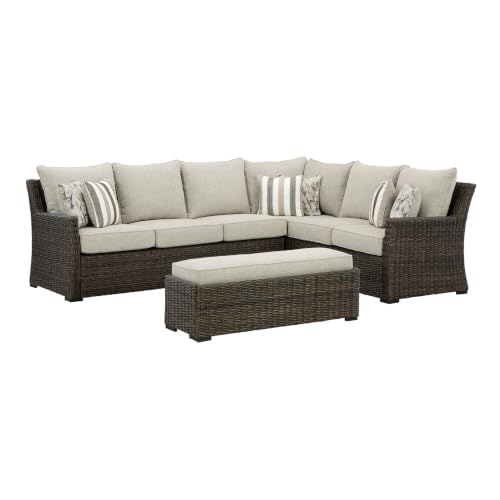

Updating Your Handwoven Pieces
Opt for a fresh coat of paint in bold or pastel colors to revitalize your handwoven items. Before starting, clean the surface thoroughly to ensure adhesion. Use spray or brush-on paint suitable for outdoor or indoor use, depending on the location of your items.
Accessorizing for a Fresh Look
Incorporate cushions and throws with contemporary patterns or textures to enhance comfort and style. Choose textiles that contrast or complement your pieces, focusing on geometric shapes or botanical designs for a modern touch. Don’t hesitate to mix and match colors to create an inviting atmosphere.
Footwear Alternative
Replace old legs with sleek metal or wooden options. This subtle shift can dramatically impact the overall visual appeal, lending a sense of elegance and sophistication. Look for options with minimalist designs to maintain a clean aesthetic.
Assessing the Condition of Your Wicker Furniture
First, I carefully inspect for any signs of damage, such as fraying or broken strands. I run my fingers over the surface to feel for rough patches or areas that may have lost their structural integrity. This tactile examination often reveals issues not visible to the naked eye.
Visual Inspection Checklist
| Element | What to Look For |
|---|---|
| Weaving Integrity | Check for loose pieces or areas where the weave has separated. |
| Finish | Look for scratches, discoloration, or peeling paint. |
| Foundation | Inspect the frame for cracks or bends that could compromise support. |
| Leg Stability | Ensure all legs are level and the piece does not wobble. |
| Seat Comfort | Sit on the piece to identify any discomfort or instability. |
Next, I take note of any discoloration or fading that can be remedied with cleaning or refinishing. A mild soap solution and a soft brush suffice for a light clean, but stubborn stains may require commercial cleaners designed for natural materials.
Assessing the Environment
It’s essential to consider where the piece has been placed. Exposure to sunlight can cause fading, while damp environments may lead to mold growth. If I notice any signs of mildew, I take immediate action to clean and dry the area properly.
This systematic evaluation allows me to determine which specific repairs or upgrades are necessary to enhance the piece’s charm and functionality. A thoughtful approach ensures that cherished items continue to bring joy for years to come.
Choosing the Right Paint or Stain for Wicker
I opt for a paint or stain that highlights the texture and pattern of the woven material. For indoor pieces, I select water-based paints, as they dry quickly and emit fewer odors. This type of finish allows for easy cleanup and a smooth application without clogging the gaps in the weave.
When dealing with outdoor items, I choose acrylic or oil-based options for their durability against weather elements. I find that oil-based stains penetrate the fibers well, providing a protective barrier while enhancing the natural beauty. Look for products specifically designed for outdoor use to ensure longevity.
Before applying any product, I ensure the surface is clean and free from debris. A light sanding can help the finish adhere better. I prefer spray paint for a more even coat, especially in intricate areas, while brushes work well for larger flat surfaces. Testing my chosen color on a small, inconspicuous section helps me confirm it’s exactly what I want.
For stains, I often apply multiple coats, allowing sufficient dry time between applications. I always check that the finish is compatible with the type of material to avoid peeling or cracking. Finally, sealing with a clear topcoat protects the color and finish from wear and tear.
Incorporating Soft Furnishings for Comfort
To enhance the seating experience, I recommend adding cushions to your rattan seating. Choose plush options in various textures and colors that complement your arrangement. Look for indoor-outdoor fabrics that can withstand wear while providing comfort.
Choosing the Right Cushions
- Select cushions with a density that balances comfort and support.
- Consider patterns and colors that align with your existing decor for a cohesive look.
- Experiment with different sizes to create a layered effect–mix large floor cushions with smaller ones for versatility.
Adding Throws and Blankets
Using throws can add an inviting touch. Here are some ways to integrate them:
- Drape a textured throw over the back of your seats for both visual interest and warmth.
- Choose materials like cotton or synthetic blends for easy maintenance and durability.
- Layer different fabrics, such as knitted and woven, to create a cozy atmosphere.
Ultimately, these additions not only elevate comfort but also provide an opportunity for personal expression, making your space feel more homely.
Combining Wicker with Other Materials
Incorporating contrasting elements such as metal or glass can significantly elevate the aesthetic of traditional braided pieces. For instance, pairing rattan seating with a sleek metal frame enhances durability while adding a contemporary twist. Opt for aluminum or stainless steel for a lightweight yet sturdy mix.
Integrating wood into the design can create warmth and depth. Consider using reclaimed wood tables alongside your handwoven seating, which provides a rustic contrast that maintains an inviting atmosphere. Choose finishes that complement the texture of the natural fibers.
Textiles play a crucial role as well. Incorporating linen or cotton cushions adds a cozy touch while softening the look. Opt for bold patterns or vibrant colors to create a striking visual appeal against a neutral base. Additionally, using water-resistant fabrics ensures longevity in outdoor settings.
Glass accents, such as tabletops or decorative elements, can imbue a sense of modernity. A glass coffee table paired with intricately woven chairs introduces an airy feel, allowing light to pass through while maintaining the airy essence of the seating.
Finally, experimenting with ceramic or terracotta alongside natural textures can enhance the organic feel. Planters or decorative bowls in earthy tones create balance and a seamless transition between elements, making the overall arrangement more harmonious.
Updating Hardware and Accessories
I replaced outdated fixtures to enhance the appearance and functionality of my pieces. Choosing sleek, modern knobs or handles shifted the aesthetic toward a more contemporary vibe. I found that brushed nickel or matte black finishes added a fresh touch and complemented various decor styles.
Further, updating hinges or fasteners can significantly improve usability. Cold-rolled steel or stainless steel options not only provide durability but also introduce a polished finish. I also recommend checking the alignment of drawer tracks; properly functioning drawers enhance practicality.
For added comfort, I switched out old cushions for custom-cut versions that fit perfectly. Selecting high-quality foam and fabric transformed the seating experience. I opted for weather-resistant materials outdoors, ensuring longevity and ease of maintenance.
Lastly, consider decorative elements like removable covers for cushions. Prints or colors that reflect current trends can make a bold statement while remaining easy to update in the future. This dynamic approach provides flexibility for seasonal changes or personal style shifts.
Implementing Creative Storage Solutions
Transform unused space into functional storage by incorporating baskets and bins within the open framework of your woven seat or lounge. I find that stylish fabric or wicker baskets not only add texture but also seamlessly blend into existing designs while keeping items organized.
Consider adding shelving units above your seating. This approach creates visual interest and provides a practical place for decorative items, while still maintaining an airy feel. Adjustable shelves allow for changing displays and easy access to your collections.
Utilize the base of benches or coffee tables by integrating drawers or cubbyholes for concealed storage. I’ve installed sliding trays that fit perfectly under tabletops, providing a hidden yet accessible area for items like reading materials or remote controls.
Optimize vertical spaces with wall-mounted racks or hooks. This solution suits everything from throws to plants, enhancing aesthetics while ensuring that frequently used items are easily reachable. I’ve also repurposed old crates to create an eclectic storage system on the wall, adding character and charm.
Embrace multifunctional pieces, such as ottomans or benches that double as storage units. These essentials can contribute comfort while concealing blankets or seasonal décor, maximizing utility without sacrificing style.
My favorite trick is to incorporate drawer organizers in larger pieces to keep smaller items tidy. This prevents clutter and enhances the usability of each piece. I’ve found that a few well-placed dividers can make a significant difference in organization.
Maintaining and Protecting Your Modernized Design
Regular maintenance is crucial to extend the life of your transformed pieces. Start with a gentle cleaning routine. Use a soft brush or a vacuum with a brush attachment to remove dust and debris from crevices. Follow up with a damp microfiber cloth to tackle any stains or spills, ensuring you never soak the material, as excess moisture can lead to damage.
Routine Inspection
Periodically inspect for signs of wear or damage. Look for:
- Cracks or breaks in the structure
- Loose areas that may require re-tying or reinforcement
- Discoloration due to sun exposure, especially if positioned near windows
Protective Measures
Implement several strategies to safeguard these pieces:
- Apply a UV protective spray: This helps prevent fading and degradation from sunlight.
- Use coasters and placemats: Protect surfaces from heat marks and moisture damage.
- Avoid direct contact with water: Keep items away from humid areas or in contact with spills to prevent mildew growth.
For outdoor settings, consider bringing items indoors during adverse weather conditions or using protective covers. This will help maintain not only the appearance but also the structural integrity over time.


