Caleb Turner

Gather high-density foam that is at least 4 inches thick for improved comfort and durability. Measure the length and width of the seating area, adding an extra inch for seam allowance. Cut the foam to fit using a sharp utility knife, ensuring clean edges for a professional finish.
Select water-resistant fabric to withstand the elements. Look for outdoor materials like acrylic or polyester blends, which resist fading and mildew. Choose a color or pattern that complements your outdoor space, enhancing its aesthetic appeal. For added protection, consider applying a waterproof spray after sewing.
Stitch the fabric into a cover, incorporating a zipper or envelope closure for easy removal and washing. Use a sewing machine and heavy-duty thread to secure seams, especially in high-stress areas. Reinforce corners to prevent tearing over time.
For finishing touches, add ties to keep the cushions securely in place. Attach these to the corners or sides, testing the fit on your seating to ensure stability. Regularly check for any wear and tear, and replace elements as needed to maintain comfort and style.
Crafting Custom Cushions for Outdoor Seating
Choose high-density foam as a filling material for durability and comfort. Measure the seating area meticulously to ensure a precise fit. Cut the foam using a sharp knife or foam cutter, ensuring that the edges are clean and smooth. For additional support, consider layering foam pieces to achieve the desired thickness.


Fabric Selection and Preparation
Select weather-resistant fabric, ideally solution-dyed polyester or acrylic, to withstand outdoor conditions. Pre-wash the fabric to prevent shrinkage. Cut the fabric larger than the foam pieces, allowing for seams and closures. Reinforce the fabric’s edges with a zigzag stitch to prevent fraying.
Assembly Techniques
Pin the fabric around the foam and sew three sides, leaving one side open for inserting the foam. Use high-strength thread and reinforce stitching at stress points. Turn the cover inside out, insert the foam, and then close the final side using either a zipper or Velcro for easy removal and washing. Add ties or straps if needed to secure the cushions in place.
Choosing the Right Materials for Cushion Covers
For durable and weather-resistant cushion covers, I recommend selecting fabrics specifically designed for outdoor use. Look for materials made from solution-dyed acrylic or polyester. These resist fading, mold, and mildew, ensuring longevity against the elements.
Fabric Options
Sunbrella is a popular choice due to its UV resistance and ease of cleaning. Another excellent option is Olefin, known for its affordability and quick-drying properties. Both materials offer a variety of colors and patterns, allowing you to personalize your setup.
Waterproofing and Lining
To further enhance durability, consider using a waterproof lining inside the cover. This feature helps protect against moisture and spills. Adding a zipper closure facilitates easy removal for cleaning or replacement. Always wash fabric covers with mild soap and air dry to maintain their appearance and integrity.
Finally, pay attention to stitching. Double-stitched seams provide extra strength, preventing fraying and enhancing the overall durability of your projects. Investing in quality materials ensures comfort and resilience for years to come.
Measuring Your Outdoor Seating for Perfect Fit
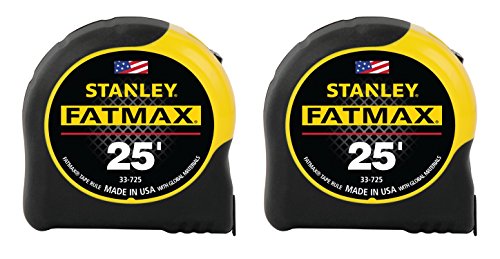
Begin with a reliable measuring tape. Measure the length, width, and height of the seating surface where the cushion will rest. For rectangular seats, focus on these three dimensions to ensure a snug fit.
When measuring for rounded or curved pieces, use a flexible measuring tape. Capture the widest points for both the length and width, as well as any additional details like armrests or backs that may affect the dimensions of the receiving area.
Account for the thickness of the cushion desired. Standard thickness varies, but typically ranges from 2 to 4 inches. Add this to your height measurement if your design includes any additional padding beneath the cover.
For layered seating areas, like sectional sofas, each segment must be measured individually. Pay special attention to the angle and shape where two sections meet. Document each measurement carefully to avoid errors during construction.
It’s helpful to create a sketch with each measurement noted. This visual guide assists in confirming sizes and ensuring all necessary details are included when selecting materials and stitching the cushion covers.
Sewing Techniques for Durable Cushion Covers
Choose a strong stitch like a zigzag or a double stitch. This reinforces seams against wear and prevents fraying. When tackling corners, use a boxed corner technique, which adds structure and allows for a better fit on edges.
For added water resistance, consider using French seams. This method encloses raw edges, minimizing exposure to moisture. Moreover, utilizing a bias tape finish can provide a professional look and extra durability along edges.
Use heavy-duty thread designed for outdoor use. This prevents breakage and fading over time. I recommend doubling the thread when sewing critical seams for enhanced strength.
Incorporate interfacing to add stability to lighter fabrics. Applying a fusible interfacing can improve the durability of the cover without adding bulk.
Always pre-wash your materials. This avoids shrinkage post-construction. After washing, drying the fabric can also help in identifying any weaknesses before assembly.
Finally, consider reinforcing stress points, like handles or zippers, by stitching a small square or triangle to disperse tension. This simple technique can significantly enhance the longevity of your covers.
Selecting the Best Filling for Comfort and Support
For optimal comfort, I recommend using high-density foam as the primary filling. Its firmness provides excellent support while maintaining a plush feel. A density of 1.8 lbs. per cubic foot is a good standard for outdoor use, balancing durability and comfort.
Outdoor-grade polyester fiberfill can also be considered for a softer cushioning option. It’s water-resistant and allows for quick drying, making it ideal for various weather conditions. However, it may compress over time, requiring occasional fluffing to restore its shape.
Gel-infused foam is another excellent choice. It offers not only superior support but also heat regulation, ensuring a comfortable seating experience during warm days. Look for formulations that blend gel with memory foam for added comfort.
I suggest combining different types of fill to achieve a tailored effect. For instance, layering a softer top layer of polyester fiberfill over a firmer foam base can create a custom blend, enhancing the overall comfort level. Experiment with ratios to find what feels best for your specific seating needs.
Consider the thickness of your foam or filling as well. A 3-inch thickness is generally ideal, providing enough cushioning without losing support. Adjust accordingly for deeper seating if preferred.
Be mindful of the weight of the filling material. Lightweight options are easier to handle and maneuver, especially for larger seating arrangements. However, for wind resistance, I may choose denser options, ensuring my pieces stay in place during breezy days.
Weatherproofing Your Cushions for Outdoor Use
To ensure longevity and comfort in an outdoor setting, applying a weatherproofing strategy is key. Start with a water-repellent spray designed for fabrics. This treatment forms a barrier against moisture, preventing mildew and mold buildup.
Choosing the Right Outdoor Fabric
Utilize high-quality, UV-resistant materials. Here are some popular options:
- Solution-dyed acrylic
- Polyester with UV treatment
- Vinyl-coated fabrics
These textiles resist fading and withstand harsh weather conditions, enhancing durability in outdoor environments.
Creating a Protective Cover
For added safeguarding, constructing removable covers is advantageous. Follow these tips:
- Utilize Velcro or zippers for easy removal.
- Ensure seams are double-stitched to prevent water infiltration.
- Consider using waterproof liners beneath covers for additional moisture protection.
Regular maintenance, such as cleaning and reapplying protective sprays, extends the life of cushions, keeping them looking and feeling fresh throughout the seasons.
Maintaining and Cleaning Handmade Cushions
For longevity, ensure spot cleaning after each use. Use a soft cloth and mild detergent to address stains promptly. Avoid harsh chemicals that can damage fabric fibers.
Routine Maintenance
Regularly vacuum the cushions using a soft brush attachment to eliminate dust and debris. Flip and rotate cushions occasionally to promote even wear and prolong lifespan.
Washing Instructions
Check care labels before machine washing. If applicable, use cold water on a delicate cycle and air-dry. For non-removable covers, spot clean thoroughly with a damp cloth.
| Material Type | Cleaning Method | Drying Process |
|---|---|---|
| Cotton | Machine wash cold or hand wash | Air dry or tumble dry low |
| Polyester | Spot clean, machine wash if removable | Line dry |
| Canvas | Spot clean with mild detergent | Air dry only |
For moisture resistance, utilize a fabric protector spray regularly. This prevents stains and repels liquids, making maintenance easier over time. Regularly inspect for mildew, especially in humid climates, to prevent unwanted growth.