
 Caleb Turner
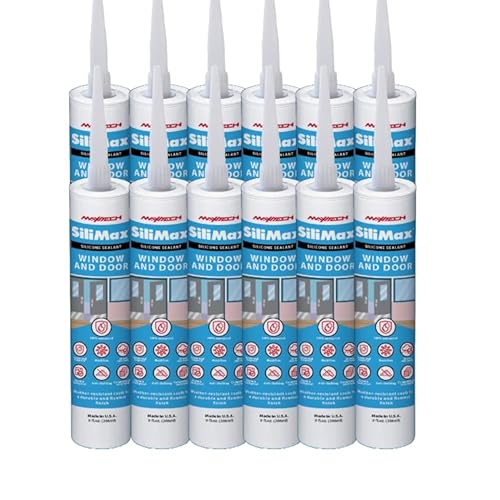
To safeguard your beautiful rattan pieces from water damage, I recommend applying a high-quality sealant specifically designed for outdoor use. These products form a protective barrier against moisture while maintaining the natural look of the material.
It’s crucial to choose a sealant that dries clear and is UV resistant. I typically opt for spray-on options, as they allow for even coverage without saturating the fibers. Before applying, ensure the surface is clean and completely dry to achieve the best results.


Another method to enhance resilience is by utilizing a waterproofing spray designed for textiles. This adds an extra layer of protection, especially for outdoor seating. Regular reapplication every season can significantly extend the lifespan of your treasured pieces, keeping them looking fresh and elegant.
Choosing the Right Waterproofing Materials
For outdoor accommodations, I recommend using marine-grade varnish or a high-quality polyurethane sealant. These options provide excellent resistance against moisture and UV rays.
Another effective product is a silicone-based sealant. It forms a flexible, durable barrier that repels water while allowing some breathability, which is critical to prevent mold and mildew development.
The application process is crucial. I ensure the surface is clean and dry before applying any sealant. Using a brush or roller can help achieve even coverage. Letting it cure properly is essential for longevity.
If organic materials are part of the construction, consider natural oils like tung or linseed oil. These penetrate deeply, offering both protection and enhancing the aesthetic of the surface.
Evaluate the environmental conditions in your location as well. For areas with heavy rainfall or high humidity, heavier coatings may be necessary to ensure maximum protection against the elements.
Lastly, I always keep some extra waterproofing agent on hand for touch-ups. Regular maintenance extends the life of the structure and keeps it looking its best.
Preparing wicker pieces for protection against moisture
First, I clean the surface thoroughly using a soft brush or cloth to remove dust and debris. This ensures that the protective layer adheres well. I opt for a gentle soap solution if grime is persistent, rinsing it off with a damp cloth afterward.
Next, I inspect each item for any damage. Cracks, splinters, or loose strands should be repaired before applying any protective agents. For minor repairs, I use wood glue or a similar adhesive to bond any broken parts securely.
After repairs, I allow the items to dry completely. This step is critical; I leave them in a well-ventilated area for at least 24 hours to prevent moisture from being trapped under the sealant.
Before application of the chosen protective treatment, I lightly sand any rough areas to create a smooth surface. This not only enhances the appearance but also improves the adhesion of the waterproofing layer.
I recommend applying a primer, particularly if the surface is porous. This base coat aids in forming a barrier and ensures even coverage of the top coat.
Applying Waterproof Sealants Step-by-Step
For optimal protection, I prefer a high-quality sealant specifically designed for outdoor use. Follow these precise steps:
Step 1: Gather Materials
Ensure you have the following on hand: a high-quality waterproof sealant, a brush or sprayer for application, gloves to protect your skin, a drop cloth to catch excess product, and sandpaper for any required surface preparation.
Step 2: Prepare the Environment
Select a dry, well-ventilated area for application. Avoid direct sunlight to prevent premature drying of the sealant, which can lead to improper adherence. Surround the space with a drop cloth to contain any spills.
Step 3: Apply the Sealant
Starting from one end, evenly apply the sealant in thin layers using a brush or sprayer. Be thorough, ensuring every crevice receives coverage. It’s crucial to follow the product instructions regarding layering; typically, multiple coats yield the best results.
Allow adequate drying time between layers, usually 2-4 hours. Once the final coat is applied, it’s essential to let it cure fully before exposing the item to moisture. Depending on the sealant, this might take anywhere from 24 to 48 hours.
Inspect the surface after curing. If any area appears uneven or thinly coated, consider applying an additional layer for complete coverage. This meticulous process not only enhances durability but also extends the lifespan of the pieces, keeping them looking new for years to come.
Maintaining Waterproofed Outdoor Seating
Regular inspection is key. After applying a protective layer, check your outdoor seating for any signs of wear or damage. Look for areas where the sealant may have worn away, especially on surfaces that receive direct sunlight or are exposed to rain.
Cleaning Routine
Use a damp cloth and a mild soap solution to clean the surfaces regularly. This prevents debris buildup that can wear down the protective coating. Avoid harsh chemicals that could compromise the sealant.
Restoring the Protective Layer
Reapply the waterproofing agent every season or after extensive exposure to moisture. Follow the manufacturer’s guidelines for application. This ensures continued resistance against elements, prolonging the life of outdoor pieces.
| Maintenance Task | Frequency |
|---|---|
| Visual Inspection | Monthly |
| Cleaning | Bi-weekly |
| Reapplication of Sealant | Every 6 months |
By adhering to these practices, I can maintain the protective qualities and ensure the longevity of my outdoor seating arrangements.
Identifying Signs of Wear in Waterproofing
Regular inspections reveal critical indicators that signal deterioration of protective coatings. Pay attention to the following signs:
- Peeling or Cracking: Deterioration often manifests as visible cracks or flaking on surfaces, indicating compromised barriers.
- Discoloration: A shift in color may suggest the onset of moisture damage where the protective layer has worn away.
- Feel of the Surface: A tacky or sticky feeling can indicate that the sealant is breaking down and losing its effectiveness.
- Water Penetration: Spots or dampness on internal structures after exposure to moisture directly point to inadequate sealant.
Routine Maintenance Checks
Conduct maintenance checks every few months, especially after heavy rain or exposure to high humidity. During these checks, look for:
- Accumulated dirt or grime that can degrade the sealant over time.
- Traces of mold or mildew, which indicate moisture retention and failure of the protective layer.
Prompt Action
Address issues immediately to extend the lifespan of coatings. Reapply protective treatments as soon as signs of wear are noticed. Ignoring minor issues can lead to more significant damage, necessitating extensive repairs.
Tips for Seasonal Storage of Wicker Furniture
Choose a dry, well-ventilated area for keeping your furnishings during off-seasons. Avoid damp basements or attics where moisture can accumulate. Using protective covers or blankets can shield from dust and scratches while allowing airflow.
Prior to storage, thoroughly clean all pieces using a soft brush and mild soap solution, ensuring no debris or dirt remains that could lead to mildew. Once cleaned, completely dry each item to prevent moisture retention.
If applicable, disassemble larger items to save space and reduce the risk of damage during handling. Store smaller components in clearly labeled bags or boxes for easy retrieval.
Consider placing silica gel packs or activated charcoal in storage areas to absorb humidity. Regularly check stored items to ensure they remain in good condition, taking appropriate measures at the first sign of dampness or pest activity.
For added protection, applying a layer of furniture polish can create a barrier against dust and moisture. Revisit your storage conditions periodically to maintain an optimal environment for preservation.


