
 Caleb Turner
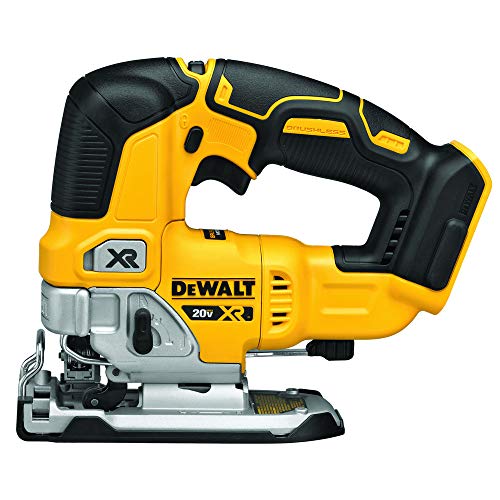
Begin with selecting the right materials; plywood and MDF are reliable for crafting circular structures. Ensure they are thick enough to provide durability while easy to cut. A jigsaw is preferred for achieving smooth curves.
Measure and mark the desired diameter on your material. Using a compass or a homemade version with a string can help create accurate circles. Cut slowly along the line to maintain a clean edge, allowing for fine-tuning later.


For the legs or supports, consider using tapered designs that not only enhance aesthetics but also provide stability. Secure them with screws and wood glue for added strength. Sand down any rough edges to prevent injury and provide a polished look.
Finishing touches are crucial; apply a coat of lacquer or paint to protect your piece and enhance its appearance. Opt for colors that complement your decor while maintaining a cohesive style throughout your space.
Choosing the Right Materials for Round Furniture
For creating a visually appealing and functional accessory, it’s imperative to select the right components. I recommend starting with wood, specifically hardwoods like oak or walnut, due to their durability and aesthetic appeal. Curved designs benefit from laminated wood, which allows for flexibility and strength when shaping.
Metals and Finishes
Steel or aluminum can enhance structural integrity while maintaining a modern look. Choose powder-coated finishes for resilience against scratches and corrosion. This combination ensures longevity and adds a sleek touch to your piece.
Upholstery and Textiles
If incorporating cushions or coverings, opt for high-quality fabrics such as leather or heavy-duty canvas. These materials not only provide comfort but also withstand wear and tear effectively. Look for textiles that offer easy maintenance, ensuring your creation remains inviting.
Careful selection of these elements will profoundly impact the final outcome of your design. Focusing on quality will ensure your creation is both beautiful and functional over time.
Measuring and Planning Your Circular Object Design
Determine the size of the piece by assessing the available space in your environment. Use a measuring tape to gauge dimensions, noting both diameter and height. Ensure your design fits comfortably without overwhelming the area.
Create a scale drawing to visualize proportions. Employ graph paper or a digital tool, marking the center point and sketching the outline. This helps in identifying design elements like legs or supports while maintaining balance.
Select a radius that complements surrounding items. Consider functionality–will it serve as a table, seat, or storage? Adjust measurements based on intended use, ensuring enough surface area for practical application.
Plan for any custom features, such as insets or shelving. If incorporating these, adjust initial dimensions accordingly. Mock-ups can aid in visualizing complex designs before committing to materials.
Review ergonomic factors–ensure the height is suitable for users and that curves offer comfort. If designing for varied users, consider adjustable or modular elements within the plan.
Gather feedback on your sketches. Input from peers can bring fresh perspectives, potentially enhancing the overall design, allowing for refinements as necessary.
Document every decision meticulously. This record aids in tracking changes, ensuring clarity during the creation process. Being organized simplifies implementation, minimizing errors during crafting.
Tools Required for Shaping Circular Items
Begin with a good quality jigsaw for cutting the initial shape. I often select one with a fine blade for smoother edges.
A band saw is another excellent choice. The ability to make intricate curves easily is a major advantage.
For sanding, I recommend an oscillating spindle sander. It helps in achieving a uniform roundness and finer details on the edges.
Drills with different bit sizes are necessary for creating holes or attachments. A hole saw attachment can be particularly useful for making dowel or screw holes.
Use a table saw for precision cuts on larger pieces. The fence will guide your material, ensuring consistent results.
Clamps are indispensable. They secure pieces together during assembly or while the adhesive sets, preventing movement.
Invest in a router for adding decorative edges. It can significantly enhance the aesthetics of your piece.
A compass or circle cutter is essential for layout. These tools help in accurately marking out the diameter for cutting.
Finally, ensure you have a reliable measuring tape and square on hand. Accurate measurements are the foundation of every project.
- Jigsaw
- Band saw
- Oscillating spindle sander
- Drill with hole saw attachments
- Table saw
- Clamps
- Router
- Compass or circle cutter
- Measuring tape
- Square
Techniques for Cutting Round Shapes Accurately
Using a jigsaw is a practical way to achieve precise curves. A fine-toothed blade ensures clean edges. To guide the tool, secure a template made from plywood or medium-density fiberboard (MDF) to maintain consistency in your cuts.
Router Method
Employing a router with a circle-cutting jig allows for effortless execution of circular designs. The router’s depth can be adjusted to suit various thicknesses of wood, and the jig’s pivot points simplify the process of achieving perfect circles.
Band Saw Technique
A band saw also proves effective for crafting circular shapes. By marking the desired diameter on the wood, I can carefully follow the line while utilizing a narrow blade. This method permits intricate detailing, especially when creating more elaborate patterns.
For added accuracy, using a compass to mark the circle before cutting provides a clear reference. This step ensures that I remain on track throughout the entire process, yielding a superior finish.
Assembling Curvilinear Pieces: Best Practices
Utilizing dowels and wood glue is my preferred method for joining edges. Drill precise holes in matching locations on both pieces, ensuring alignment for a smooth finish. Insert dowels with glue for added strength, creating a durable bond.
For attaching tabletops to bases, I favor using a robust mounting plate. This allows for easy disassembly while providing stability. Secure it with screws, considering pre-drilling to prevent wood splitting.
Incorporating brackets can enhance stability, especially in larger constructs. Select robust metal brackets and install them at critical stress points for support without compromising aesthetics.
When aligning edges, I’ve found that clamps keep everything in place during the drying phase. Use adjustable clamps that can accommodate various thicknesses while ensuring a snug fit without damaging the material.
Take measurements frequently throughout the assembly process. This attention to detail helps guarantee that all components fit together seamlessly, which is particularly important for complex designs.
Lastly, applying finish or sealant after assembly, rather than before, prevents the risk of damage during the construction phase. This protects the surface while enabling a pristine final appearance.
Finishing Touches for a Professional Look
Applying a high-quality finish transforms my creation, enhancing both aesthetics and durability. I prefer polyurethane for its resistance to wear and easy application. I apply multiple thin coats, allowing adequate drying time between each application, then lightly sanding between coats for a smooth surface.
Choosing the Right Color and Texture
Selecting a stain or paint color can significantly impact the look of my design. Testing different shades on a scrap piece of the same material helps me visualize the final outcome. For a richer appearance, I opt for water-based stains, which provide a natural finish while highlighting the wood grain. In contrast, using chalk paint can impart a vintage charm, creating a unique character.
Final Assembly and Detailing
<pBefore final assembly, I ensure that all edges are rounded and smooth to prevent splinters. Adding decorative hardware or accents can elevate my piece, giving it a unique flair. I carefully attach any hardware, ensuring it's aligned perfectly for a seamless look. To complete the look, I often use felt pads on the bottom to protect flooring, minimizing scratches and providing stability.
Adding Functionality to Your Round Furniture
Incorporating multifunctionality into your design can elevate its usability and aesthetic appeal. Consider integrating storage solutions. For example, a coffee table can feature a lift-top mechanism revealing hidden compartments for magazines or remote controls. This approach maintains a clean surface while providing practical storage.
Next, assess mobility. Adding wheels or casters to a circular bench allows for easy movement, making it adaptable to various spaces. Ensure the wheels are lockable for stability when needed.
Foldable elements are another excellent option. A collapsible design can convert a circular dining piece into a compact size, ideal for smaller areas. This allows for flexibility when hosting guests.
Additionally, think about modular capabilities. Create a setup where segments can be rearranged or expanded; this allows for customized seating arrangements for gatherings.
Lighting integrations can enhance the ambiance. Consider embedding LED strips around the perimeter of a circular shelf or table, which creates a warm glow and highlights décor items.
Safety features must also be addressed. Rounded edges can minimize injury risks, especially in spaces frequented by children. Explore different cushioning options for extra protection.
| Feature | Benefit |
|---|---|
| Storage Compartments | Keeps surfaces clutter-free |
| Wheels/Casters | Enhances mobility |
| Foldable Design | Space-saving convenience |
| Modular Configurations | Customizable layouts |
| Integrated Lighting | Improves ambiance |
| Safety Features | Reduces risk of injury |
By embedding these functionalities into your circular designs, you create not just aesthetically pleasing items but also practical solutions. Assess your audience’s needs and choose elements that resonate with their lifestyles for the best outcomes.
Maintenance Tips for Long-lasting Circular Pieces
Regular cleaning is essential. Use a soft, damp cloth to wipe surfaces weekly to prevent dirt buildup.
For wooden items, apply a thin layer of high-quality wax every few months. This enhances shine and forms a protective barrier against scratches.
Check joints and connections periodically. Tighten screws and connectors to maintain stability and prevent wobbling.
Use coasters under drinks to avoid moisture rings. This small habit keeps surfaces looking pristine.
For upholstered selections, vacuum regularly to remove dust and debris. Spot clean with appropriate cleaners to tackle stains quickly.
Avoid direct sunlight exposure to prevent fading and heat damage. Use curtains or place items strategically to minimize sun contact.
- Wood: Polish every 3-6 months.
- Metal: Use a microfiber cloth to prevent rust.
- Fabric: Test cleaners on hidden areas first.
Rotate cushions and seating areas if applicable. This simple action helps even out wear over time.
Store in a climate-controlled environment. Extreme temperatures or humidity can warp or damage materials.
Invest in protective covers when not in use, particularly for outdoor items. This extends longevity significantly.
FAQ:
What materials are best for making round furniture?
The choice of materials for round furniture largely depends on the intended use and aesthetic preferences. Common materials include wood, which provides warmth and durability, and can be shaped easily into round forms. Plywood is also popular due to its flexibility and strength. For a more modern look, metal and glass can be used, offering sleek designs and a contemporary feel. Additionally, upholstered round furniture typically utilizes foam for cushioning and fabric for covering to enhance comfort.
How can I create a sturdy base for my round table?
To create a sturdy base for a round table, it’s important to choose the right structure. A pedestal base is a popular choice for round tables as it allows for more legroom and stability. When building one, ensure it is made from strong materials and properly anchored to the tabletop. You can use metal brackets or screws for additional support. Alternatively, consider a trestle or four-legged design that evenly distributes weight and provides stability on various surfaces.
What is the best way to measure and cut wood for round furniture?
Measuring and cutting wood for round furniture requires precision. First, determine the diameter of your round piece. Use a measuring tape to find the center point of the wood and mark it. Cutting can be done using a jigsaw or a circular saw. For accuracy, you can create a cutting template from cardboard or use a router with a circle-cutting jig. Always wear safety gear and follow proper cutting techniques to ensure a smooth finish and prevent any accidents.
Are there any design tips for round furniture to fit a small space?
In small spaces, round furniture can be advantageous as it creates a sense of flow and allows for easy movement around the room. Consider choosing pieces that serve multiple purposes, like a round coffee table with storage underneath. Opt for smaller, scale-appropriate designs that do not overwhelm the space. Light colors and materials can also help in making the area appear larger. Additionally, incorporating round seating can enhance the visual appeal while providing comfort.
What finishing techniques can enhance the look of round furniture?
Finishing techniques can greatly enhance the appearance of round furniture. Applying a good quality stain can bring out the natural wood grain and provide a rich color. For a polished look, a clear varnish or polyurethane finish can be applied, adding protection and durability. If you’re working with painted finishes, using a spray or spray-gun application can help achieve an even coat, especially on round surfaces. Consider sanding between coats for a smooth finish, and don’t forget to let each layer dry thoroughly before applying the next.


