
 Caleb Turner
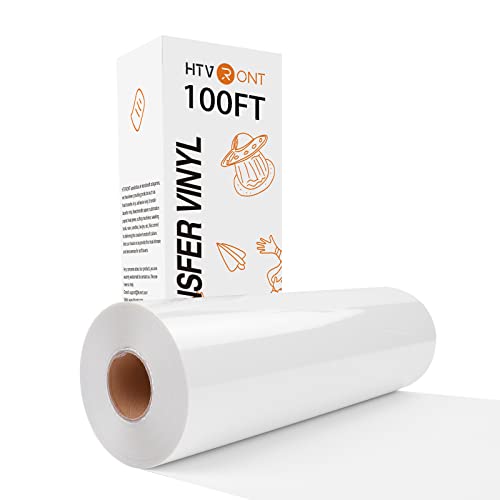
Choosing transfer paper specifically designed for solid surfaces is the first step in this creative project. Look for high-quality options that promise durability and a vivid color payoff. I recommend using the inkjet type, as it works exceptionally well with prints from home printers.
After selecting the appropriate paper, opt for a clear or white background depending on the desired aesthetic. If you envision intricate designs, ensure your printer settings are adjusted to match the paper dimensions for accurate prints. High-resolution images will make a significant difference in the final appearance.
Once printed, let the ink dry completely to avoid smudging. Cutting carefully around the design will enhance the final look. I often use a craft knife for precision. Applying the design with a brayer or a flat tool helps to ensure a smooth transfer without air bubbles.
Finally, sealing the design with a clear varnish or sealant protects it from wear and tear, ensuring that my work stands the test of time. This simple yet rewarding process can transform everyday pieces into stunning focal points in my space.
Selecting the Right Design for Your Transfer
Prioritize designs that complement your existing decor. I often select patterns that tie in with the color scheme of the space to create a cohesive look. For instance, if my room features neutral tones, I lean towards subtle, monochromatic graphics that won’t overwhelm the surroundings.


Consider Scale and Proportion
Analyze the dimensions of the surface the artwork will adorn. A large piece can act as a focal point, while smaller designs work well for intricate detailing. I find that bold motifs on larger surfaces provide a striking visual impact, whereas delicate designs enhance smaller areas or accents.
Reflect Personal Style
Choose visuals that represent your personality. Whether vintage florals or modern abstract shapes, ensure the artwork resonates with you. I often explore themes that tell a story or evoke memories, adding a personal touch. Look at various sources of inspiration, such as nature or travel, to guide your selection.
Test out different designs on paper before committing to your project. This mock-up process allows me to visualize how the chosen pattern interacts with the piece. Experimenting with placement and orientation can lead to delightful discoveries that enhance the final result.
Choosing the Appropriate Transfer Paper
Selecting the right transfer material is vital for achieving a flawless result. I prefer using paper that is specifically designed for this purpose, as it guarantees better adhesion and clarity of the design.
Types of Transfer Paper
Different types of paper can significantly affect the outcome. Here are the main categories:
| Type | Best for | Surface Compatibility |
|---|---|---|
| Inkjet Transfer Paper | Colorful designs | Light-colored substrates |
| Laser Transfer Paper | Detailed artwork | Dark or textured surfaces |
| Self-Adhesive Paper | Quick applications | Various materials |
Quality Indicators
High-quality transfer sheets typically possess a few key characteristics:
- Consistent thickness for even application.
- High-resolution compatibility.
- Good opacity to prevent underlying colors from showing through.
Before purchasing, I always check product reviews and ensure that the paper suits my project requirements. Testing a small sample can also help identify the best fit for my specific needs.
Printing Your Design Correctly
Ensure the design fits the dimensions of the transfer medium accurately. Use design software to adjust the size before printing, taking into account any margins required by your printer.
Select the correct print settings to match the type of transfer material. Use high-quality print settings to enhance clarity and detail. If applicable, choose “Best” or “High Quality” in the printer menu.
If using an inkjet printer, allow the ink to dry completely; this prevents smudging when applying to surfaces. For laser printers, verify that the toner is suitable for the transfer paper being used.
Consider printing a test sheet first to verify colors and saturation. Adjust the design based on the visibility and contrast during this preliminary test.
Ensure the design is printed in reverse if it contains text or specific orientations, as this will allow it to appear correctly once applied. Use a mirror effect function if available in your design software.
Evaluate the type of ink used; pigmented inks tend to offer better durability compared to dye-based inks. This choice affects the longevity of the patterns once adhered to surfaces.
Finally, collect any necessary tools, such as a bone folder or scraper, for smoother application of the transfer onto the final surface once printed. This improves adhesion and minimizes air bubbles during the process.
Preparing Your Furniture Surface
Clean the surface thoroughly using a mixture of water and mild detergent to remove dust, grease, and residues. A lint-free cloth works best to avoid leaving fibers behind. After cleaning, ensure the area is dry and free from moisture.
Sanding for a Smooth Finish
For optimal adhesion, lightly sand the area with fine-grit sandpaper. This step eliminates any previous finishes and promotes better contact for the design. Wipe away the dust created by sanding with a damp cloth, ensuring no particles remain.
Applying a Primer
If the surface has a glossy finish, applying a primer specifically designed for use on similar materials enhances grip. Allow the primer to dry completely according to the manufacturer’s instructions before proceeding with the application of your design.
Application Techniques for Transfers
Align the design precisely on the intended surface. It’s crucial to measure and mark the placement before applying. I usually use a level to ensure the transfer is straight.
Next, gently burnish the transfer with a clean, dry cloth or a plastic scraper. Apply firm, even pressure in circular motions to ensure complete adhesion. I find that starting from the center and working outward helps eliminate air bubbles.
After thorough burnishing, slowly peel the backing away at a sharp angle. If any part lifts, press it back down and continue rubbing until it adheres completely. Patience is key; rushing this step can lead to peeling later.
For an added layer of protection, I recommend sealing the design after application. A clear finish spray or a topcoat can safeguard against scratches and wear. Choose a product compatible with your surface to avoid any chemical reactions.
Lastly, allow ample time for the coating to cure. Adhering to the manufacturer’s guidelines ensures durability and longevity of the design on the surface.
Sealing the Transfer for Longevity
To ensure that your design remains vibrant and intact over time, applying a protective layer is crucial. I recommend using a clear acrylic sealer, which offers excellent protection against scratches and wear.
Follow these guidelines for effective sealing:
- Select a sealer specifically designed for the surface you are working on.
- Choose between a spray or brush-on application based on your comfort level. Sprays provide even coverage, while brushes allow for precision in detailed areas.
- Ensure the transfer has fully dried before applying the sealer, usually allowing at least 24 hours.
For best results, I suggest applying several thin coats rather than a thick single layer. This approach helps to avoid drips and uneven spots:
- Lightly sand the surface with fine-grit sandpaper after each coat has dried to promote better adhesion.
- Apply the first coat and let it dry according to the manufacturer’s instructions, usually about 30 minutes.
- Repeat the sanding and sealing process for at least two to three coats for optimal durability.
Final drying time may vary; however, waiting a full week before heavy use will help ensure the longevity of your design. Regularly refresh the sealer annually to maintain the appearance and protection of your personalized item.
Troubleshooting Common Issues with Transfers
Start by ensuring that the surface is clean and free from dust or oils; this can prevent adhesion issues. If the image isn’t sticking well, it’s often due to either insufficient pressure during the application or a poorly prepared surface. Make sure to apply firm, even pressure across the design.
If you notice bubbles forming, gently lift the corner of the transfer to release the air. Use a scraper or credit card to smooth out additional imperfections. If the pattern smudges or tears, it may have been applied too quickly; allow more drying time before applying any finishes.
Loss of vibrancy can stem from incorrect printing settings or incompatible inks. Always use high-quality inks and set your printer to the highest quality print mode. Additionally, ensure that ink is fully dry before sealing.
In case of residue left after removal, a light sanding or gentle abrasive cleaning may be necessary. Always test any cleaning method on a small, inconspicuous area first to avoid damaging the finish.
For issues with peeling over time, make certain that the sealing process was thorough; layers should be evenly applied and allowed adequate drying time between coats. If the transfer still fails, consider using a different sealing product, as some can react poorly with certain inks.


