
 Caleb Turner

Choosing a matte or satin finish for the wood is key. These options minimize glare and create an understated elegance, diffusing the rustic vibe of traditional finishes. A thorough sanding process enhances the wood’s natural grain, bringing out textures that blend seamlessly with contemporary design aesthetics.
Opt for geometric shapes and sleek lines. A simple reconfiguration of designs can infuse a sense of modernity without extensive alterations. Consider adding metal accents or glass components, as they introduce a fresh contrast to the warmth of the wooden elements.


Incorporate light colors into the palette. Soft whites, light grays, or pastel shades can transform the overall appearance, lending an airy feel to the space. A strategic color choice highlights the organic qualities of the material while aligning with current interior trends.
Accessorize with modern decor items. Utilize bold artwork, contemporary textiles, or minimalistic decor to elevate the surroundings. This layering technique combines the natural charm of wood with striking modern elements, ensuring a harmonious yet updated look.
Choosing the Right Paint Colors for Pine Furniture
Consider using a soft gray or taupe as your base color; these tones bring a contemporary feel while allowing natural wood features to shine through. Accentuate with deep navy or forest green for added sophistication. Don’t shy away from bold hues like mustard yellow or burnt orange for a striking contrast, especially on smaller accent pieces.
Creating Depth with Layering
Utilize a two-tone approach; combine lighter shades on the main surfaces with darker accents on edges or legs. This not only enhances visual interest but also modernizes the appearance. For instance, pairing a serene white with a charcoal gray can create a chic, balanced look.
Experimenting with Finishes
Choose matte or satin finishes to eliminate shine and impart a refined, understated elegance. If you prefer a bit of shimmer, metallic or eggshell finishes can add a modern touch without overwhelming the overall aesthetic. Remember to test your selected colors on a small area before the complete application to ensure it aligns with your vision.
Remember that the existing space should guide color choices; consider walls, flooring, and other elements in the environment. Selecting complementary shades fosters cohesion, bringing the entire setting together in a harmonious way.
Applying a Clean and Smooth Finish to Softwood Surfaces
Begin with sanding. I use 120-grit sandpaper followed by 220-grit for a refined touch. This step eliminates imperfections and opens up the wood grain, which is crucial for a polished appearance.
Choosing the Right Finish
Select a finish that aligns with your vision. I prefer water-based polyurethanes for their clarity and quick drying time. Here are some options:
- Matte finish for a subtle, contemporary vibe.
- Satin for a soft sheen, balancing elegance and modernity.
- Gloss for a high-impact, reflective surface.
Application Techniques
Use a high-quality synthetic brush or foam applicator. I apply thin layers, allowing each coat to dry fully before sanding lightly with 320-grit paper to ensure adhesion. Repeat this process, typically three coats yield an optimal outcome.
After the final coat, avoid contact with the surface for several days to allow for complete curing. This patient approach enhances durability and the overall finish quality.
Incorporating Minimalist Hardware for a Contemporary Look
Choosing minimalist hardware can significantly transform the appearance of your wooden items. Focus on sleek, simple designs that emphasize clean lines.
Consider these options:
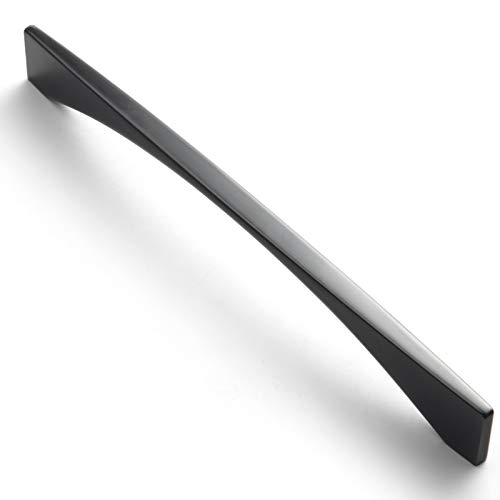
- Cabinet Handles: Opt for narrow bar handles in matte black or brushed nickel. Their understated elegance complements the simplicity of the pieces.
- Drawer Pulls: Thin, unobtrusive pulls or even push-to-open mechanisms minimize visual clutter while enhancing functionality.
- Hinges: Slim concealed hinges maintain a seamless profile, reinforcing a cohesive aesthetic.
- Leg Hardware: Metal legs or connectors in geometric shapes create a striking contrast with the natural finish, providing a modern touch without overwhelming the design.
Ensure that the scale of the hardware aligns proportionately with the dimensions of the pieces. Oversized fittings can disrupt the harmony, while delicate options enhance visual balance.
Installation is key; misaligned or poorly placed hardware can detract from the overall appeal. Utilize advanced mounting techniques to ensure precision and longevity.
Lastly, remember that less is often more. Select pieces that enhance functionality while reflecting a streamlined aesthetic. This approach fosters a fresh atmosphere in any space.
Mixing Pine with Other Materials for a Modern Aesthetic
Incorporating metals such as brass or stainless steel creates a striking contrast. For instance, attaching metallic legs to a wooden tabletop enhances its visual appeal and adds a contemporary touch. Choose minimalist designs that keep the focus on the wood while providing stability.
Glass serves as an excellent complement. A glass top on a pine base not only offers a sleek look but also allows the beauty of the grain to shine through. This combination works well for coffee tables or desks where you want to showcase the natural material without overwhelming the space.
Textiles like leather or natural fibers elevate a space and add softness. Consider using leather accents in seating or cushions alongside clearer, simpler wood pieces, striking a balance between warmth and sophistication. This mix encourages a tactile experience where comfort meets elegance.
Incorporating stone elements can ground and balance the lightweight appearance of wood pieces. A concrete or marble inset in a pine side table, for example, creates a bold statement while maintaining practicality in daily use.
Experimenting with color is another avenue. Pairing neutral upholstered chairs with natural wood pieces allows the latter to stand out without competing for attention. Darker hues can ground a modern aesthetic, while lighter colors of textiles brighten and enhance the overall feel.
Finally, consider geometric patterns or shapes that can be introduced through accessories made from different materials. A simple geometric rug can pull together various textures and colors, creating a cohesive yet dynamic environment that complements your wood selections.
Utilizing Geometric Shapes and Lines in Design
Incorporating geometric shapes and clean lines is essential for bringing a contemporary feel to wood pieces. Angular silhouettes and distinct forms can instantly elevate the aesthetic. Use square or rectangular shapes, avoiding overly ornate designs, as simplicity makes a strong statement.
Accent Pieces
Consider slender-legged tables or angular chairs. These structures draw the eye and encourage a feeling of lightness. Shelving units designed with asymmetrical elements can provide visual interest while maintaining functionality. Each piece should contribute to an overall sense of cleanliness and structure.
Color and Shape Combination
Pair geometric designs with contrasting color palettes. For instance, a stark white table with bold black lines will stand out effectively. Use color strategically to highlight the form of each item rather than detracting from it.
| Shape | Recommended Usage | Color Combinations |
|---|---|---|
| Square | Tables, Display Units | White with Black |
| Rectangular | Benches, Desks | Light Grey with Navy |
| Round | Ottomans, Coffee Tables | Muted Tones with Pastels |
| Asymmetrical | Shelving, Accent Tables | Earthy Hues with Bright Accents |
Employing geometric shapes and lines not only refreshes wooden items but also enhances their presence in any setting. The use of such designs is a straightforward path toward achieving a stylish, uncluttered aesthetic.
Adding Accessories that Complement Modern Pine Furniture
Incorporating sleek metal accents, such as brushed nickel or matte black, enhances the contemporary vibe of wooden pieces. These finishes contrast beautifully with the warm tones of the timber, creating a balanced aesthetic. Choose metal light fixtures or decorative items like candle holders that harmonize with your environment.
Using textiles with geometric patterns can also refresh the overall appearance. Opt for cushions or throws in bold colors or abstract designs. Their vibrant hues and shapes draw attention and add depth, making the space feel more dynamic.
Natural elements such as potted plants contribute to a modern atmosphere. Select minimalist planters in ceramic or metal finishes to tie into other accessories. Greenery brightens up the area and introduces an organic touch that complements wooden structures.
Incorporate artwork that reflects clean lines or modern prints. Large statement pieces can act as focal points, while smaller items can be grouped for an eclectic yet cohesive look. Consider black-and-white photography or abstract pieces to keep the ambiance fresh.
Mirrors with minimalist frames amplify light and space, enhancing the area. Position them strategically to reflect the evening glow of lamps or natural daylight streaming in. This not only makes the surroundings feel larger but also adds an unexpected twist.
Layering textures through rugs can ground the space and provide a cozy feel. Choose options with neutral colors or subtle patterns to avoid overwhelming the wooden elements. A plush area rug can also help delineate different sections within a room.
Lastly, functional accessories like stylish trays or organizers can maintain a tidy space while enhancing the aesthetic. Seek out pieces in clean designs that complement the existing decor, ensuring that even practical items contribute to the overall modern theme.
Reupholstering Pine Furniture with Trendy Fabrics
Opt for bold geometric patterns or textures like velvet and linen to elevate the style of older pieces. Fabrics in jewel tones such as emerald green or ruby red can instantly add a luxurious touch. When selecting materials, consider durability and ease of cleaning, especially for high-traffic areas.
Incorporating Color and Texture
Choose contrasting colors for cushions and upholstery to create visual interest. Mismatched but complementary soft goods can enhance the aesthetic while creating a relaxed vibe. Layering fabrics with varying textures, such as a cushy textured seat combined with smooth cushions, provides depth and sophistication.
Sustainable and Eco-Friendly Options
Explore organic and sustainable textiles. Natural fibers such as organic cotton or reclaimed materials not only promote eco-consciousness but also align with modern trends. Sources like local artisans or specialty fabric stores are excellent for finding unique designs that add character.
Positioning Pine Furniture in Your Space for a Modern Impact
To achieve a contemporary feel in your space, I recommend arranging items in a way that emphasizes clean lines and open areas. Place larger pieces against walls to keep the center of the room unobstructed, allowing for a fluid flow of movement.
Creating Balance and Harmony
Utilize symmetry by pairing items of similar style or color. For instance, placing a sleek pine side table beside a minimalist sofa can enhance the overall aesthetic. When adding multiple pieces, consider varying heights to create visual interest.
Utilizing Anchors and Focal Points
Incorporate statement objects, such as a striking art piece or decorative plant, near the wooden structures. This draws attention and creates a natural focal point. Ensure that the color palette of surrounding elements complements these anchors, reinforcing a cohesive appearance.
Experimenting with positioning can transform simple wooden items into standout elements. I find that having a central area with versatile seating options encourages interaction while maintaining an uncluttered look. Always prioritize logic in arrangement, aligning with the principles of both function and style.


