
 Caleb Turner

If you’re searching for an economical and creative way to enhance your garden or patio, consider using recycled wood crates. Not only do they offer a unique rustic charm, but transforming them into useful seating solutions is a straightforward process that requires minimal tools and materials.
Begin with an inspection of the crates, ensuring they are free from damage and decay. A light sanding will remove splinters and rough edges, providing a smooth surface for finish. Use outdoor-grade varnish or paint to protect the wood from moisture damage, ensuring your seating lasts through the seasons.
By stacking and securing several crates together, you can create versatile seating options. Add cushions for comfort, and consider arranging the pieces to form a cohesive lounge area. This approach not only recycles timber but also allows for custom configurations that can suit any space. With a bit of creativity, you can achieve an inviting retreat that showcases your DIY skills and enhances your outdoor environment.
Creating An Inviting Space with Reclaimed Timber Crates
Begin with selecting sturdy crates that will form the base. Inspect each piece for integrity; cracks or severe damage may compromise stability. It’s beneficial to sand rough edges to ensure comfort and prevent splinters.


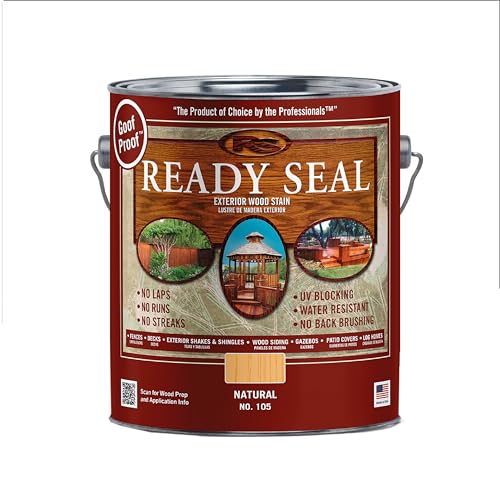
Next, align several crates to create the desired shape, be it a sitting area or a table. I typically stack and secure them using wood screws or brackets to enhance durability. For an appealing finish, a wood stain or outdoor sealant can be applied for weatherproofing and aesthetic purposes.
To introduce cushions, choose foam padding covered with outdoor fabric for comfort and resistance to elements. Attach the cushions with Velcro or ties to keep them in place during windy conditions.
Don’t forget to personalize your setup. Consider painting the crates in cheerful colors or adding potted plants on top to create a vibrant atmosphere. Accessories like outdoor rugs or string lights further enhance the cozy feel, inviting gatherings or peaceful relaxation.
Choosing the Right Type of Wooden Pallets
For ensuring durability, I opt for four-way entry pallets, as they offer greater stability and easier access during the crafting process. These pallets have a robust construction and can withstand significant weight, making them ideal for various projects.
Material Quality
Pay attention to the material quality. I prefer hardwood pallets over softwood types since they are less prone to splintering and damage. Look for pallets marked with the recycling symbol or heat treatment (HT), indicating they are free of harmful chemicals.
Condition of the Pallet
Inspect for damage such as cracks, broken boards, or excessive wear. I always choose pallets in good condition. A few minor stains or imperfections can be acceptable if they do not compromise structural integrity. Remember, a clean, intact pallet will save time and effort during assembly.
Also, avoid pallets that show signs of mold or insect infestation, as these can lead to further complications in the long run. Prioritize sourcing from reputable suppliers or businesses that adhere to safety standards.
In summary, when selecting your materials, quality and condition are paramount to ensure longevity and usability in your projects.
Tools and Materials Needed for Your Project
To ensure a smooth crafting experience, I recommend gathering the following tools:
- Measuring tape
- Circular saw or hand saw
- Screwdriver (manual or electric)
- Pneumatic nail gun (optional for quicker assembly)
- Sander (orbital or hand sander)
- Drill with various drill bits
- Clamps
- Work gloves for protection
- Safety goggles
Choose materials carefully, focusing on quality and durability. Here’s what you’ll need:
- Reclaimed or new crates, ensuring they are safe for use
- Wood screws for fastening
- Wood glue for added stability
- Paint or wood stain for finishing touches
- Outdoor sealant to protect against weather elements
- Cushions for comfort, select water-resistant options
With the proper tools and materials in hand, I can proceed confidently with the assembly process, bringing my design to life while ensuring safety and longevity of the piece. Each item plays a specific role in achieving a sturdy, appealing result.
Preparing and Cleaning Pallets for Use
First, inspect each piece for damage or contamination. Look for broken boards, splinters, or rusted nails that could compromise safety. If any pallets show signs of rot or insect infestation, discard them immediately.
Next, to eliminate dirt and grime, wash the pallets thoroughly using a mixture of warm water and mild detergent. A pressure washer can be particularly useful for this task, but apply it gently to avoid damaging the wood. Allow them to dry completely to prevent mold growth.
After cleaning, sand the surfaces using medium to fine-grit sandpaper to remove rough spots and ensure a smooth finish. This step is vital to enhance comfort and prepare the wood for painting or sealing if desired.
For further treatment, consider applying a wood preservative that protects against moisture and pests. Choose a non-toxic option if the pieces will come into contact with children or pets.
Finally, store the cleaned and prepared pallets in a dry area, shielding them from moisture. This will extend their lifespan and maintain their structural integrity for your next project.
Designing Your Outdoor Furniture Layout
Consider the area available; measure your space accurately to ensure a proportionate arrangement. Think about the flow of movement–ensure pathways are clear and users can comfortably access each seating area.
Define Functional Zones
Establish distinct areas for different activities. Create a lounge section with sofas or chairs and a dining area with a table. Use rugs or planters to visually separate these spaces, providing a sense of organization.
Utilize Vertical Space
Incorporate vertical elements like hanging lights, wall planters, or shelves. This not only enhances the look but also maximizes limited ground space. Consider how sun and shade will affect these areas throughout the day, positioning elements accordingly.
Assembling Pallets for Functional Furniture Pieces
Begin by ensuring each section of the reclaimed crates is sturdy. Inspect for damages and reinforce weak points using screws or wood glue. For optimal alignment, use clamps to hold pieces together before securing them permanently. This ensures stability and a polished look.
Creating a Base Structure
Start with the bottom layer as the foundation. Lay down two parallel sections and connect them with cross supports for enhanced strength. Use a level to confirm that the structure is even. Once the base is secure, build upwards, adding layers and adjusting height based on your desired design.
Securing Joints and Finishing Touches
Utilize brackets or corner braces to reinforce corners. Sand down rough edges thoroughly to avoid splinters. For a finished appearance, consider applying a protective stain or sealant, ensuring it’s suitable for outdoor conditions. This not only elevates aesthetics but also prolongs durability against the elements.
Finishing Touches: Staining and Sealing Wood
For optimal protection and aesthetics, selecting a high-quality stain and sealer is crucial. Water-based stains dry faster and offer easy cleanup, while oil-based options provide deeper penetration and durability. I prefer penetrating stains for their ability to enhance wood grain without hiding it.
After choosing a stain, prepare to apply it. Ensure the wooden surfaces are clean and dry; sanding may be necessary to achieve a smooth finish. When applying the stain, use a brush or cloth, working in the direction of the grain. Allow it to soak in for the recommended time before wiping off any excess.
Once the stain has dried, sealing the surface is next. This step adds an extra layer of defense against moisture and UV rays. Use a clear, exterior-grade polyurethane or varnish for lasting protection. A satin finish is popular for a subtle sheen while maintaining the natural look of the wood.
Application requires similar attention to detail as staining. I recommend applying two to three thin coats of sealer, ensuring each coat dries completely before applying the next. Light sanding between coats improves adhesion and results in a smoother final surface.
Some key guidelines to remember:
| Tip | Details |
|---|---|
| Ventilation | Work in a well-ventilated area to avoid inhaling fumes. |
| Temperature | Apply finishes when temperatures are between 50°F to 90°F for best results. |
| Curing Time | Allow sufficient curing time for both stain and sealer before exposure to elements. |
Properly finished wood enhances longevity and appearance, ensuring that the outcome not only meets functionality but also stands out visually in any setting. Following these steps guarantees the wooden pieces will withstand the test of time.
Maintenance Tips for Long-lasting Patio Creations
Regular cleaning is essential. Use a mixture of warm water and mild soap to remove dirt and debris. Avoid harsh chemicals that can damage the surface.
Sealing and Protecting
Apply a protective stain or sealant annually. This shields the surfaces from moisture and UV rays, preventing warping and fading. Choose a product designed for exterior use to ensure durability.
Inspection and Repair
- Check for loose screws and nails regularly, tightening as needed.
- Look for signs of rot or damage, especially in joints and corners.
- Sand down any rough edges or splinters promptly to maintain safety and comfort.
Store cushions indoors to prevent mold and mildew growth during inclement weather. If possible, use a tarp or cover to protect from rain and snow.
Rotate the arrangement occasionally to ensure even wear and exposure to weather conditions. This simple change can enhance longevity.


