Caleb Turner
Choose high-quality wood or MDF for durability and a premium look, cutting pieces to the desired dimensions with precision tools. Sand edges to achieve a smooth finish, then opt for a mixture of acrylic paint and wood stain for a classy appearance. Consider white for a clean, contemporary feel or pastel shades for a softer ambiance.
Incorporate functional details using small hardware like knobs and hinges, which lend authenticity to your creations. Use craft foam or felt for upholstery, adding thickness for a plush texture. When assembling, apply strong adhesive or small nails for stability, ensuring that each section aligns perfectly for a polished result.


Lighting plays a pivotal role; small LED strips can illuminate rooms effectively. Experiment with color filters to set different moods. Lastly, accessorize with handmade decor items, such as tiny books, miniature plants, and creative artworks, which personalize the space and reflect character.
Crafting Contemporary Miniature Furnishings
Begin with selecting materials such as basswood or MDF for a smooth finish and durability. These are easily accessible at craft stores.
Essential Tools
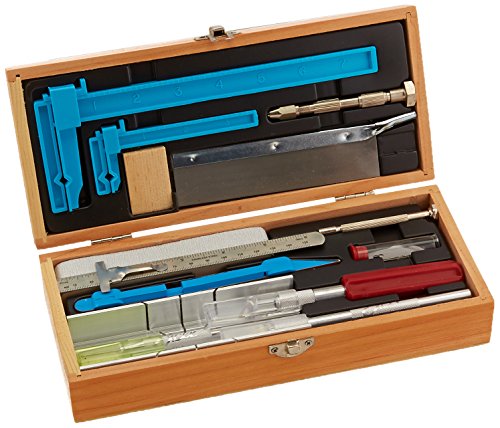
- Craft knife for precision cutting.
- Cutting mat to protect surfaces.
- PVA glue for secure adhesion.
- Sandpaper for a smooth edge.
- Paintbrushes for detailing.
Design Process
- Sketch design ideas, focusing on clean lines and minimalist aesthetics.
- Measure dimensions, ensuring proportionality for your scaled environment.
- Cut pieces according to measurements and use sandpaper to round edges for safety and visual appeal.
Consider incorporating color by using acrylic paints, applying a base coat followed by details. Use simple patterns or solid hues that align with current home decor trends.
After assembly, allow ample drying time for glue. To enhance realism, add accessories like miniature cushions or decorative items, which can be easily crafted from felt or fabric scraps.
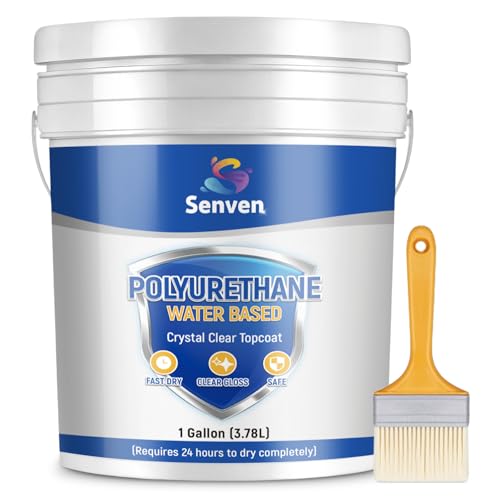
Finally, treat the surfaces with a clear sealant to add longevity and protective qualities to the completed items.
Selecting Materials for Dollhouse Furniture
Limit choices to high-quality wood, such as basswood or birch plywood. These types provide durability and an attractive finish, making them ideal for intricate designs.
Alternatively, consider using medium-density fiberboard (MDF) for a smooth surface that is easy to paint or decorate. It’s readily available and cost-effective, suitable for beginners.
Avoid plastic for its tendency to look less authentic and be less sturdy over time. If opting for metal, select lightweight sheets or rods, which can add a contemporary touch without overwhelming the structure.
Fabric selection plays a significant role in achieving an appealing aesthetic. Choose cotton or felt for upholstery; these materials can be easily handled and offer a range of colors and patterns.
For finishes, water-based acrylic paints are preferable, ensuring children’s safety while allowing for vibrant color application. Sealants should be non-toxic to preserve the final look and protect against wear.
Incorporating natural materials, such as jute or wool, can enhance texture and warmth. These elements lend a cozy ambiance, which complements the overall design.
When selecting adhesives, opt for a strong craft glue or wood glue that dries clear. This will maintain the visual integrity of assembled parts without unsightly residue.
Test all materials before final assembly. Create small samples to evaluate how they interact with other components and finishes, ensuring a cohesive appearance.
Tools You Need for Crafting Dollhouse Furniture
Investing in the right tools significantly enhances my crafting skills. A quality cutting mat protects my work surface and provides a reliable foundation for precise cuts. I utilize a utility knife for quick and clean slicing of various materials. For more detailed cuts, having a craft knife with replaceable blades works wonders.
Hand Tools and Measurement
Measuring tools are indispensable. A metal ruler ensures straight cuts, while a square helps me maintain right angles. A set of calipers allows for accurate measurements of thickness, ensuring a snug fit for assembled pieces. I also keep clamps on hand to secure joints as glue sets, which avoids shifting and misalignment.
Adhesives and Finishing Supplies
A strong adhesive is critical, so I favor wood glue for its durability and ease of use. For quick fixes, a hot glue gun provides fast bonding. Additionally, fine sandpaper helps smooth edges, and a selection of paints delivers color and finishes. I also employ a spray sealant for a polished, protective layer on completed items.
Designing Functional Room Layouts for Your Dollhouse
Begin by drafting the blueprint of each space, determining the purpose and flow needed for activity within the miniature abode. Consider how various rooms interact; for instance, position a kitchen near a dining area to create a seamless transition for mealtime. Visualization using grid paper can assist in spatial distribution, ensuring ease of movement and accessibility.
Zone Planning
Allocate zones within rooms for specific functions. In a living area, designate a reading nook, a seating area, and a play space. Use small rugs or paint to delineate different zones without physical barriers. This approach maximizes miniature space and enhances realism.
Furniture Placement
Position pieces based on scale and proportion. Larger items should anchor the room, while smaller pieces can create layers. Ensure that high-traffic areas remain clear by placing larger items against walls and leaving center spaces open. Aim for a balance between aesthetic appeal and usability, placing items at angles to create a dynamic visual flow.
Step-by-Step Guide to Building a Couch for Miniatures
Cut two pieces of plywood measuring 4 inches by 2 inches for the seat and backrest. Sand the edges to prevent any splinters.
For the arms, fashion two rectangles from sturdy cardboard, each measuring 2 inches by 1 inch. They will create the side supports, giving the appearance of a full couch.
Attach the seat to the backrest using a hot glue gun, ensuring they form a right angle. Then, glue the arms to both sides of the seat. Allow sufficient time for the glue to set.
To add cushioning, cut two pieces of foam padding to match the seat and backrest dimensions. Cover these pieces with fabric, securing it tightly on the underside with fabric glue or a staple gun.
Once the fabric is attached, glue the cushioned pieces onto the seat and backrest structure, fixing them in place.
For the final touch, use thin wooden dowels or decorative beads for legs. Cut them to a length of 1 inch, and attach them to each corner of the couch with glue, elevating the piece for a refined look.
Allow the entire piece to dry thoroughly, then enjoy your handcrafted miniature couch, ready to enhance any small-scale living space.
Creating Custom Tables for Various Aesthetics
Begin with choosing a distinctive design that matches the theme of the room. Whether sleek and minimalist for contemporary spaces or ornate and vintage for classic settings, your vision dictates the shape and materials. I often sketch multiple ideas before selecting my favorite.
Materials Selection
Opt for lightweight products like balsa wood or plywood for easy crafting. For a stylish finish, consider using decorative paper, paint, or even fabric to adhere to surfaces, enhancing the table’s appearance. Here’s a quick guide:
| Style | Material Suggestions |
|---|---|
| Modern | Sleek plywood, acrylic, or metal elements |
| Rustic | Reclaimed wood, twine, and earthy paint |
| Victorian | Dark wood, embellishments, and upholstery |
Building Process
Once you’ve settled on a design and materials, start constructing the base. Cut the table legs and top from your chosen medium, ensuring they fit well together. Use wood glue or a strong adhesive for secure attachment. After assembly, sand any rough edges to create a polished look. Lastly, apply your chosen finish to bring your creation to life, making sure it complements the furniture around.
Finishing Techniques for a Professional Look
I recommend beginning with sanding surfaces to achieve smoothness. Use progressively finer grit sandpaper to eliminate imperfections. For edges, a sanding sponge can provide a contoured finish. Once smooth, wipe with a damp cloth to remove dust.
Next, consider applying a primer before painting. This step enhances paint adhesion and provides a uniform base, especially on porous materials. Select a primer suitable for your chosen paint type, whether acrylic or oil-based.
When it comes to painting, opt for a spray application to ensure an even coat without brush strokes. Maintain a distance of 6 to 12 inches while spraying. Apply multiple thin coats, allowing adequate drying time between applications for the best results.
For a sophisticated appearance, use a clear topcoat or sealer. This protects the painted surface and adds a subtle sheen. Choose matte, satin, or glossy finishes depending on your design vision.
Adding texture can elevate simplicity. Experiment with techniques like dry brushing or sponging. These methods create depth and character, especially on flat surfaces.
Finally, pay attention to hardware. Upgrading knobs, handles, and hinges can dramatically change the aesthetic. Select designs that complement the overall style, whether minimalist or ornate.
Adding Accessories and Decor to Enhance Realism
Incorporating accessories significantly elevates the atmosphere and authenticity of miniature spaces. Select items like rugs, curtains, and wall art to add depth. Here are specific elements to consider:
- Textiles: Use fabric scraps for throw pillows, blankets, and curtains. Cotton or linen can mimic realistic materials. Ensure the patterns suit the style of the space.
- Wall Art: Create small frames using cardboard or craft sticks, and fill them with printed images or hand-painted designs. Gallery walls bring personality to any room.
- Lighting: LED lights can simulate natural illumination. Install tiny lamps or ceiling fixtures to enhance ambiance.
- Plants: Craft faux flora from felt or fabric. Small potted plants or hanging planters add character and life.
- Decorative Objects: Use miniature items like books, vases, or picture frames. Recycle packaging materials to create unique pieces.
Layering Accessories
Layering adds complexity and visual interest. Start with larger items like furniture, then position medium-sized decor pieces on surfaces, followed by tiny accents to fill spaces. This strategy guides the eye throughout the display, making it more engaging.
Color Coordination
Choose a color palette to unify the items. Subdued tones can create calmness, while bold colors add vibrancy. Mixing textures and patterns can enrich the design. Pay attention to balance to avoid overwhelming the space.
Thoughtfully selected accessories can bring life to miniature creations, crafting an inviting and believable environment. Keep experimenting with different styles to discover what resonates best with your aesthetic vision.