
 Caleb Turner
First, curate a selection of high-quality materials. I prioritize solid hardwoods, like oak or walnut, for durability and aesthetics. For upholstery, I often choose plush fabrics such as velvet or leather, ensuring a rich texture that elevates the look.
Next, meticulous craftsmanship is non-negotiable. I focus on traditional joinery techniques, such as mortise and tenon, to enhance the structural integrity and longevity of each piece. Each component should showcase precision, reflecting artistry and dedication.
In addition to materials and craftsmanship, I pay close attention to design aesthetics. Incorporating timeless elements–such as elegant curves or ornate detailing–adds character. I often sketch multiple concepts, allowing for creative exploration before finalizing the design.
Creating Exquisite Pieces
Select quality timbers such as walnut, oak, or mahogany, known for their durability and beauty. Using hardwoods enhances not only the lifespan but also the visual impact of the item. Ensure that each piece is sourced sustainably, contributing to environmental conservation.
Joinery Techniques
Employ advanced joinery methods like mortise and tenon or dovetail joints. These techniques provide strength and stability, while showcasing craftsmanship. Avoid simple screws or nails, as they diminish the overall aesthetic.


- Mortise and Tenon: Creates tight fittings, ensuring longevity.
- Dovetail: Adds decorative appeal, particularly in drawer constructions.
- Finger Joints: Ideal for combining longer pieces, maintaining visual consistency.
Finishing Touches
Finishing is paramount for elevation. Begin with sanding to a fine grit for a smooth surface. Choose oils or lacquers that highlight the natural grain. For a deeper hue, consider applying stains. Each step enhances the texture and draws attention to the natural beauty of the material.
- Sanding: Smooth out imperfections.
- Stains: Select shades that complement the wood type.
- Sealers: Protect against moisture and wear.
Incorporate luxurious fabrics such as velvet or silk for upholstery. These materials not only feel opulent but also complement the overall design. Tailoring the fabric to fit snugly enhances the finished appearance and comfort.
Lastly, customization is key. Offering bespoke designs caters to individual preferences, setting a piece apart in the market. Keep communication clear to understand client desires and producethe ultimate product that reflects their vision.
Choosing Premium Materials for Furniture Construction
Select hardwoods like walnut, cherry, or oak for durability and aesthetic appeal. Each type offers unique grain patterns and colors, enhancing the overall design. For a more modern touch, consider bamboo, which is both sustainable and strong.
Upholstery plays a significant role; opt for high-quality fabrics such as velvet, leather, or a durable linen blend. These materials not only elevate comfort but also withstand daily use while maintaining their elegance.
Metal components should be sourced from reputable suppliers. Stainless steel or brass can add a sophisticated touch if designed carefully. Powder-coated finishes ensure longevity and resistance to wear.
Glass elements, from tabletops to decorative accents, should be thick and tempered for safety and durability. Clear glass enhances a sense of space, while colored or frosted options can add a distinctive character.
Don’t overlook the significance of eco-friendly options. Sustainable materials not only appeal to environmentally conscious consumers but also reflect contemporary values in craftsmanship.
Ensure that all components are compatible; aligning joints and fastenings will enhance structural integrity. Premium materials are only as effective as their assembly, so meticulous attention to detail is paramount.
Techniques for Crafting Exquisite Wood Joinery
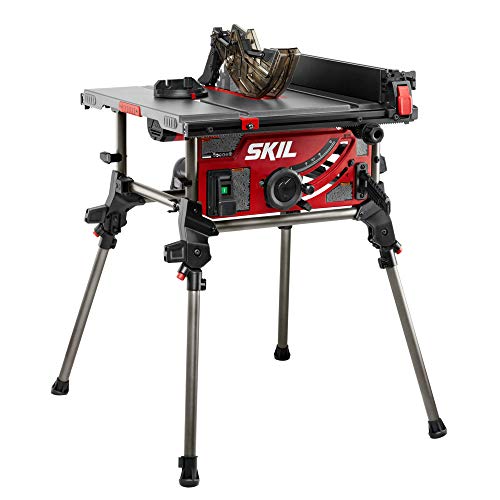
Achieving seamless wood joinery begins with precise cuts. Invest in a high-quality table saw and ensure that all your blades are sharp and the equipment is calibrated. Accuracy in your measurements dictates the strength and aesthetic appeal of the joints.
A classic method, the mortise and tenon joint, is optimal for constructing frames. I carefully cut the mortise into one piece and shape the tenon on the mating piece, ensuring a snug fit. Using a chisel, I refine the edges, removing any burrs for a clean finish.
For elegant corner joints, I prefer the dovetail. This joint not only provides superior tensile strength but also showcases craftsmanship. I use a dovetail saw for straight cuts and a coping saw for interior curves, ensuring that each joint fits together seamlessly.
| Joinery Type | Best Use | Tools Required |
|---|---|---|
| Mortise and Tenon | Frame Construction | Chisel, Mallet, Drill |
| Dovetail | Drawer Construction | Dovetail Saw, Coping Saw |
| Lap Joint | Surface Joining | Jigsaw, Clamps |
| Box Joint | Drawer Sides | Router, Guide Template |
In situations requiring rapid assembly, I turn to the pocket-hole joint, utilizing a pocket hole jig for angled cuts. This method guarantees quick joins while retaining structural integrity.
Finish joints with high-quality wood glue, applying pressure until cured, as proper adhesion contributes significantly to the longevity of the connection. For added stability, I sometimes incorporate dowels to reinforce critical joints.
Always allow joints to acclimate, ensuring that environmental factors don’t compromise the structure later on. Take the time to sand each joint after assembly to eliminate any uneven surfaces, delivering a polished and refined appearance.
Upholstery Options That Elevate Comfort and Style
Opt for high-quality natural fabrics like linen, cotton, or wool. These materials not only provide a luxurious feel but also enhance breathability, ensuring comfort for prolonged use.
Consider performance fabrics for high-traffic areas. These textiles are designed to resist stains and wear while maintaining aesthetic appeal. Options like microfiber and treated polyester combine durability with elegance.
Explore leather choices–full-grain leather offers a natural patina and unmatched durability. For a more sustainable approach, bonded leather or vegan alternatives provide stylish options without compromising ethics.
When selecting colors and patterns, aim for timeless designs that adapt to various decor styles. Neutral tones allow versatility, while rich hues add an element of sophistication.
Diverse textures can significantly impact the overall appearance. Incorporate plush velvets or textured weaves for depth and visual interest, creating a captivating statement piece.
Don’t overlook the importance of cushion filling. High-density foam ensures support, while down or down-blend options provide plush comfort. The combination can enhance seating experience profoundly.
Lastly, pay attention to the stitching. Decorative elements like piping or tufting not only secure the upholstery but also add a refined touch, elevating the piece’s overall design.
Incorporating Handmade Details for Unique Pieces
Utilizing artisanal touches is instrumental for creating distinctive items. Implementing craftsmanship techniques can significantly enhance appeal and originality.
Techniques to Consider
- Hand-Carved Accents: Employing chisels to create intricate designs can transform a simple surface into a remarkable focal point.
- Inlay Work: Incorporating different materials, such as metal or stone, into wooden surfaces adds depth and character to any piece.
- Custom Hardware: Sourcing bespoke metal fittings can further personalize an item, making it stand out in elegance and functionality.
Textural Variations
- Mixed Finishes: Experimenting with matte and gloss finishes can create visual contrast that elevates the overall aesthetic.
- Natural Imperfections: Embracing the inherent flaws in handmade elements, such as hand-woven fabrics or distressed wood, brings authenticity to your designs.
- Expressive Patinas: Developing textures through oxidation or chemical processes can lend singular character to metal surfaces.
Combining these handcrafted elements not only enriches visual interest but also tells a story, making each creation uniquely yours.
Mastering Finishing Techniques for a Polished Look
Begin with surface preparation. Sanding is critical; use progressively finer grits, starting with a rougher one and finishing with 220-grit for a smooth texture. Pay special attention to edges and corners to ensure uniformity.
Next, choose an appropriate stain to enhance the wood’s natural grain. Experiment with samples on scraps to find the desired shade. Apply stain using a lint-free cloth or brush, ensuring even distribution. Wipe off excess stain to avoid blotches.
Consider applying a sealant after staining to protect against moisture and wear. I recommend using a water-based polyurethane for a durable, clear finish. Apply multiple thin coats, sanding lightly between each layer with 320-grit sandpaper for an ultra-smooth surface.
For a satin or glossy final appearance, select the sheen level that matches your aesthetic preferences. A higher gloss finish will reflect more light and accentuate details, while a satin finish offers a more subtle elegance.
Finally, buff the surface with a soft cloth after the final coat has cured. This enhances the sheen and gives the piece a professional, polished look. Regular maintenance with a microfiber cloth will keep the finish looking new over time.
Designing Functional and Aesthetic Luxury Furniture
Prioritizing ergonomics in design ensures comfort alongside visual appeal. I focus on proportions that fit various body types, allowing for extended use without discomfort. Testing pieces at different stages assists in verifying functionality and comfort.
Integrating multifunctional elements enhances versatility. For instance, I implement hidden compartments or extendable surfaces, accommodating various needs while maintaining a sleek appearance. This practicality harmonizes with elegance.
Innovative shapes often attract attention. I experiment with asymmetrical designs or flowing lines, which can redefine a space’s character. Such creativity, while providing aesthetic value, should also be rooted in usability.
Color selection plays a significant role. I often opt for a rich palette that complements the materials used. Pairing neutral tones with bold accents can create striking contrasts without compromising elegance.
Textures enrich the visual experience. I blend smooth surfaces with softer fabrics or intricate carvings, creating a tactile journey that invites interaction. This approach encourages appreciation of the craftsmanship involved.
Consider the environment where the creation will reside. Ensuring that the style aligns with surrounding decor enhances overall coherence. I envision how each item interacts with its setting, promoting a seamless integration.
Finally, sustainability remains a key focus in modern designs. I source eco-friendly materials and incorporate energy-efficient production methods. This commitment not only respects natural resources but appeals to increasingly conscious consumers.
Understanding Customization Trends in High-End Furniture
Offering personalization options remains key in creating standout pieces. Clients increasingly seek to express their individuality through tailored designs. Collaborating with artisans who specialize in bespoke projects allows for unique adaptations of classic styles, shapes, and functions to fit specific needs.
Emerging Preferences
Noticing a shift towards eco-friendly choices is essential. Sustainable materials and responsible sourcing are in high demand. Consumers prefer pieces that not only embody luxury but also reflect environmental consciousness. Incorporating reclaimed wood or responsibly harvested materials ensures a sustainable appeal.
Technology Integration
Integrating smart technology into designs enhances functionality. Features like built-in charging stations, adjustable components, and automated systems cater to modern lifestyles. These innovations blend simplicity with sophistication, appealing to tech-savvy clientele seeking modern conveniences.
Tools and Equipment Required for High-End Furniture Crafting
To achieve remarkable results in crafting premium home pieces, I utilize a combination of hand tools and machinery. A table saw is indispensable for precise cuts and angles, while a miter saw allows for clean, beveled edges when joining components. I find that a jointer ensures flat surfaces, essential for seamless assembly.
Next, I prioritize a good thickness planer for achieving uniform board thickness. This tool is vital for both aesthetics and structural integrity. For intricate designs, a router becomes essential; it helps create decorative edges and grooves that enhance the overall appearance. Additionally, I keep a set of chisels on hand for fine detailing and adjustments.
A drill press is invaluable for creating accurate holes, ensuring all fasteners fit securely. I also rely on a band saw for curved cuts and more complex shapes. For sanding, both an orbital sander and a belt sander serve different purposes, allowing me to achieve smooth finishes required for showcasing exquisite craftsmanship.
Clamps are necessary for holding pieces firmly together during glue-up processes, maintaining the integrity of joints. For finishing touches, I use a variety of brushes and spray equipment to apply sealants and stains, achieving professional-grade surfaces that highlight the natural beauty of selected materials.
Lastly, investing in quality storage for tools not only prolongs their life but also ensures a tidy workspace, enhancing productivity. Each tool plays a specific role, contributing to the overall quality of the final masterpiece.
Marketing Strategies for Selling High-End Furniture
Utilize social media platforms to showcase craftsmanship, emphasizing quality and unique designs. Invest in high-resolution imagery that captures intricate details and textures, providing potential buyers with a close-up view of the artistry involved.
Develop partnerships with interior designers and architects who can recommend products to their clients. Create an attractive referral program to incentivize these professionals for including your pieces in their projects.
Host exclusive events or workshops to engage potential customers. Allow them to experience the comfort and aesthetics firsthand. Such experiences build a personal connection and highlight the value behind each item.
Implement a high-traffic e-commerce site with a seamless user experience. Offer virtual consultations where clients can receive personalized advice on selections and arrangements, increasing customer trust and satisfaction.
Create rich content that tells a story about the materials and processes behind your creations. Blog posts, videos, and social media updates can effectively communicate the artistry and thoughtfulness infused in each item.
Use targeted advertisements to reach affluent audiences, focusing on platforms where high-net-worth individuals are likely to spend their time. Tailor messaging to emphasize craftsmanship, exclusivity, and investment value.
Engage in community outreach by participating in local art shows or luxury expos to gain visibility. Collaborate with influencers who share a passion for aesthetics and quality, aligning your brand with their values.
Leverage customer testimonials and reviews as social proof to build credibility and trust. Ensure these endorsements highlight unique features and superior quality, persuading others to make a purchase.


