
 Caleb Turner

For a delightful afternoon project, I recommend gathering craft sticks and a hot glue gun. These materials allow for endless creativity and can transform into various adorable designs, like chairs, tables, or even tiny houses. Begin by sketching your desired creation to visualize the final outcome and plan the necessary pieces.
Choosing the right dimensions is key. I typically cut the craft sticks to size with scissors, ensuring that each piece adheres properly. For stability, I reinforce joints by applying additional glue and allowing it to dry completely. Patience during this drying time is crucial to avoid mishaps later on.


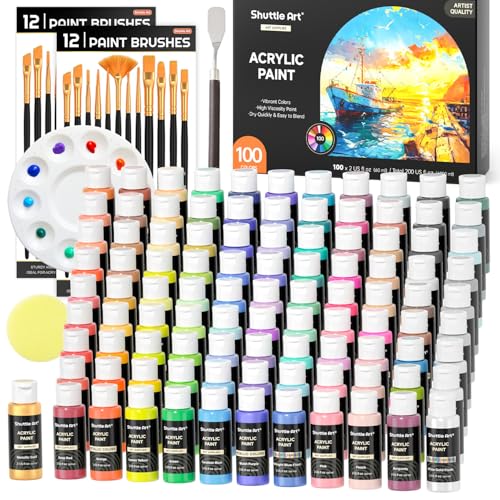
Adding details enhances the charm of each piece. Painting the completed items or decorating them with washi tape can personalize the designs. Don’t hesitate to experiment with various colors and embellishments to elevate your mini creations. This hands-on activity not only fosters creativity but also results in wonderful decorative pieces or gifts.
Choosing the Right Craft Sticks for Your Project
Selecting appropriate craft sticks can greatly impact the quality and durability of your creations. I recommend considering the following factors:
- Material: Opt for high-quality wooden variants. They provide sturdiness and better adhesion with different adhesives.
- Thickness: Thicker varieties lend more stability to structures, while thinner options may be suitable for delicate designs.
- Length: Standard sizes often work well, but adjusting lengths for specific designs can enhance aesthetics. Measuring cuts precisely ensures uniformity.
- Finish: Choose sticks with a smooth surface to prevent splinters and allow paint or stain to adhere evenly.
- Cost: Assess bulk buying options for affordability. Many craft stores offer discounts on larger quantities.
- Availability: I find it useful to have a variety of sizes and shapes on hand, so exploring local craft shops or online markets for a broader selection can be beneficial.
Exploring these aspects can guide you in finding the best materials for your artistic projects, ensuring your end result stands out.
Basic Tools and Materials Needed for Construction
On my projects, I find it necessary to gather a few fundamental items. First, I always have a set of wooden craft sticks in various sizes, which allows flexibility in design. Next, I reach for a reliable craft knife or scissors to achieve precise cuts, ensuring that all pieces fit together seamlessly.
Adhesive is crucial, and I prefer using hot glue or a strong craft glue for a sturdy bond. A glue gun comes in handy for quick assembly, but I also keep wood glue for more permanent attachments.
To keep everything organized, I use a cutting mat, which protects my surfaces and provides a clear workspace. A ruler helps to measure and align pieces accurately, while a pencil allows me to mark cutting lines without causing damage.
Finally, I always have sandpaper or a file on hand. This aids in smoothing edges for a polished look, making sure there are no splinters. Having these essentials ready makes the construction process smoother and more enjoyable.
Designing a Simple Chair: Step-by-Step Instructions
Begin with gathering materials: 12 flat pieces for the seat and back, and 8 for the legs. Cut these to a size of 3 inches by 0.5 inches for each chair’s components.
First, assemble the seat and back by gluing together 4 pieces for the seat’s frame and 4 pieces for the back’s support. Ensure they are aligned perfectly for stability.
Next, construct legs by gluing 4 of your cut pieces together, stacking them for height. Each leg should stand 3 inches tall. Allow the glue to set for at least 10 minutes.
Connect the legs to the corners of the seat frame. Use additional pieces to reinforce the joints for added durability. A layout like the following can help visualize the connections:
| Part | Quantity | Dimensions |
|---|---|---|
| Seat Frame | 4 | 3″x0.5″ |
| Back Support | 4 | 3″x0.5″ |
| Legs | 4 | 3″x0.5″ |
Once the chair base is complete, place the back support on the rear side of the seat frame, securing it with glue. Add diagonal supports for increased support to the back.
Finally, let everything dry thoroughly before using your new creation. This simple process results in a charming piece with functional appeal.
Creating a Table: A Quick Guide to Proportions
To achieve the right proportions for a table, aim for a height ranging from 3 to 4 inches, with a width of 5 to 8 inches, depending on the design aesthetics and intended use. Base the dimensions of the tabletop on the intended chair height to ensure harmony in your design.
Recommended Dimensions
| Part | Dimension (inches) |
|---|---|
| Height | 3 – 4 |
| Width | 5 – 8 |
| Tabletop Length | 8 – 12 |
Tips for Stability
For stability, use at least four legs, spaced evenly. If you desire a more unique design, consider extending the legs slightly for an angled effect. This not only enhances aesthetics but also increases the sturdiness of the structure. Test the overall balance after assembly to ensure it stands securely.
Building a Bookshelf: Techniques for Stability
To ensure a sturdy structure, I prioritize using a triangular bracing method. By adding diagonal supports between the shelves and rear panel, I significantly enhance the overall strength.
Selecting the Right Connection Method
Choosing the right adhesive or fasteners is vital for durability. I lean towards wood glue for permanent bonds, while small screws can add extra reinforcement. For quick adjustments, using rubber bands during the drying process helps maintain alignment.
<h3.Layout and Measurement
Accurate measurements prevent wobbling. I use a ruler to space the shelves evenly and maintain a consistent height. Each shelf should be supported at both ends; this can be achieved by extending a popsicle stick down to the base or by creating vertical panels.
- The base should be wider than the height for stability.
- When constructing taller units, I reinforce each level further with cross braces.
- Ensure the bottom is level; this prevents the structure from leaning.
Regularly checking for square corners with a carpenter’s square ensures everything aligns correctly. Finally, I paint or seal the added components to protect from moisture, extending the life of the creation.
Assembling a Sofa: Tips for a Comfortable Look
Begin with a solid base by aligning a rectangular frame. I typically use two longer pieces for the sides and two shorter ones for the front and back, ensuring all connections are secure. Adding diagonal beams can enhance stability, reducing wobbling.
Choosing the Right Dimensions
For a cozy appearance, aim for a width of about 2 to 3 inches and a height around 1.5 to 2.5 inches. This proportion helps create a balanced and inviting seat. When cutting the components, be precise to maintain uniformity.
Creating Comfortable Cushions
For added comfort, I craft cushions from foam or fabric scraps. Cut the foam into appropriate sizes, ensuring they fit softly within the frame. Wrapping the foam in soft fabric adds a nice touch. Using a hot glue gun helps secure them in place effectively.
Painting and Finishing Your Mini Furniture
Choose acrylic paint for vibrant color and quick drying. I prefer water-based varieties for easy cleanup and reduced fumes. Prepare surfaces by sanding them lightly, which helps paint adhere better. Ensure that all surfaces are dust-free before applying any coatings.
For a solid color, I usually apply two coats of paint. Allow each coat to dry fully before adding the next. This prevents smudging and ensures an even finish. Use a small brush for detailed areas and a foam brush for larger surfaces to achieve a smooth application.
Consider adding a wash for a vintage or rustic look. Mix water with a small amount of paint to create a translucent finish. This technique highlights the wood grain and adds depth to your project.
If a glossy finish is desired, clear varnish or polyurethane can be applied after painting. This not only enhances the appearance but also protects against damage. I opt for water-based varnishes for convenience. Apply with a clean brush and follow the manufacturer’s drying recommendations.
For a tactile element, think about fabric upholstery. Adhesive spray can secure small pieces of fabric to the surfaces, giving a more realistic look to chairs or sofas. Choose materials that complement your chosen color scheme.
Finally, seal everything with a final topcoat, especially if the items will be handled frequently. This extra layer guards against scratches and fading. Ensure the last coat is thoroughly dry before displaying your work.
Incorporating Accessories: Enhancing Aesthetics
To elevate design, accessories play a significant role. Start by selecting elements that complement the colors and textures of your crafted pieces.
Choosing Decorative Additions
- Fabric Swatches: Use scraps of fabric for cushions. This adds softness and color contrast to chairs or couches.
- Miniature Fixtures: Consider tiny lamps, vases, or books. These items create a lived-in look and brighten the space.
- Natural Elements: Incorporate small branches, pebbles, or dried flowers for an organic touch.
- Painted Details: Hand-paint patterns or colors on surfaces for customization. This adds uniqueness and character.
Arranging Accessories Effectively
Placement of decor items impacts overall appeal. Utilize these tips to arrange decor:
- Group items in odd numbers for balance.
- Vary heights by mixing taller and shorter pieces to create visual interest.
- Leave negative space around clusters to avoid overcrowding.
- Change arrangements periodically for a fresh perspective.
These elements, coupled with thoughtful placement, enhance the overall ambience of your crafted creations, making them truly stand out.
Displaying Your Mini Furniture: Ideas and Inspirations
Positioning your handcrafted creations can significantly enhance their visual appeal. I recommend using small display shelves or shadow boxes, allowing each piece to be admired without clutter. Arrange items at varying heights to create interest; this could involve stacking some on platforms while others hang from hooks or sit on bases.
Utilizing Natural Lighting
Taking advantage of natural light can breathe life into your artworks. Placing your pieces near a window with diffused sunlight will enhance their textures and colors, creating an inviting scene. Experimenting with different times of day helps discover the best light to showcase your designs.
Creating Themed Displays
Organizing your compositions around a central theme adds narrative depth. For instance, constructing a cozy reading nook scene can highlight a chair, table, and bookshelf powered by smaller accessories like book stacks or decorative elements. Integrating backgrounds relevant to your theme can reinforce the overall aesthetic, transforming your arrangement into a storytelling space.


