
 Caleb Turner
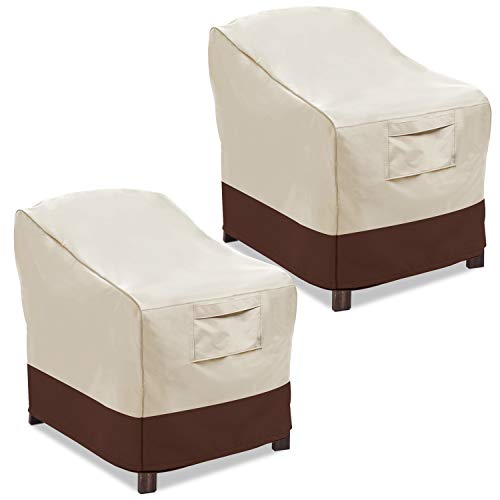
I recommend using weather-resistant materials to protect upholstery from moisture and fading. Start by selecting a durable, outdoor-friendly fabric that is both water-repellent and UV-resistant. Fabrics like acrylic and olefin stand out for their resilience.
Once you have the appropriate material, remove any existing covers from the seating; if necessary, carefully disassemble the structure to simplify the process. Begin with precise measurements of your seating to create new patterns tailored to the dimensions of the existing cushions. Using a sewing machine, stitch the covers while leaving openings for zippers, allowing for easy removal and washing.
To further enhance durability, consider applying a weather-resistant spray coating to the cushions after recovering. This additional layer can extend their life significantly when exposed to outdoor elements. Lastly, elevate the pieces by placing them on platforms or using outdoor rugs to create a functional and inviting space.


Repurposing a Living Room Sofa for the Patio
Select a protective outdoor cover made from water-resistant and UV-resistant materials. This prevents moisture damage and fading from sunlight exposure, ensuring the longevity of your repurposed seating.
Attach rubber or plastic feet to the base. This avoids direct contact with wet ground, which can lead to rot or rust. It also provides stability on uneven surfaces outside.
Consider adding outdoor cushions made from fade-resistant fabric. These not only enhance comfort but also maintain a fresh appearance despite the elements. Opt for cushions with removable covers for easy cleaning and maintenance.
Preparation and Maintenance
Clean the original furniture thoroughly to remove dirt and dust. This ensures any protective coatings adhere properly. Use a mild soap solution for cleaning, followed by a rinse with clean water.
Apply a sealant specifically designed for outdoor wood or fabric, depending on the material of the original piece. This adds an extra layer of protection against moisture and insects.
Enhancing Aesthetic Appeal
Add decorative throw pillows and outdoor-friendly blankets to enhance visual appeal and comfort. Choose colors and patterns that complement your outdoor space, creating a cozy and inviting atmosphere.
Incorporate side tables or a coffee table nearby to elevate functionality. This allows for snacks, drinks, and decorative items, making the seating area more practical for gatherings.
Selecting Suitable Materials for Outdoor Use
Opt for materials engineered to endure various environmental conditions. My top recommendations include:
- Teak Wood: Naturally resistant to moisture and pests, this option requires minimal maintenance.
- Aluminum: Lightweight, rust-resistant, and durable; perfect for prolonged exposure to sunlight and rain.
- Resin Wicker: UV-resistant and easy to clean, this synthetic material mimics natural wicker without the drawbacks.
- Marine-Grade Stainless Steel: For metal framing, this alloy withstands corrosion effectively, making it ideal for humid or salty air.
- Weather-Resistant Fabrics: Look for materials like solution-dyed acrylic which resist fading and moisture.
Ensure any wood is treated with a weatherproof finish to prolong its life. I also recommend checking the manufacturer’s specifications for outdoor suitability to avoid premature wear and tear.
For padding, select quick-drying foam inserts wrapped in moisture-resistant covers. This prevents the accumulation of mold and mildew, ensuring longevity and comfort in external conditions.
Lastly, always consider the weight of materials. Lightweight options can be advantageous for moving pieces around, but heavier choices provide stability against wind.
Preparing the Indoor Couch for Outdoor Conversion
Begin with a thorough cleaning. Remove any dust and stains using a gentle fabric cleaner. For stubborn spots, consider a mixture of mild soap and water; test it in an inconspicuous area first to ensure it doesn’t damage the texture.
Next, check for any damage. Inspect the frame, cushions, and fabric for wear and tear. Repair or replace any broken parts to enhance durability. Reinforcing joints can prevent further issues caused by outdoor conditions.
Waterproofing and Protecting
Apply a fabric protector to help resist moisture and stains. For wooden components, seal with a weather-resistant wood finish. This barrier helps shield against rain and humidity, prolonging lifespan significantly.
Ventilation and Storage Solutions
Choose a well-ventilated area for setting up the seating arrangement outside. Consider using breathable covers when not in use to prevent mold and mildew. Store cushions indoors during harsh weather to maintain their shape and comfort.
Waterproofing Techniques for Couch Cushions
I recommend using marine-grade waterproofing sprays specifically designed for outdoor upholstery. These products create a protective layer that repels water while allowing the fabric to breathe, preventing mildew. Thoroughly clean the cushions before application, ensuring that they are completely dry.
For added protection, consider applying a waterproof sealant to the seams and zippers of the cushions. Use a silicone-based sealant that is suitable for outdoor conditions. Apply it generously but avoid overdoing it, allowing for proper adhesion and drying time.
Another effective option is to purchase waterproof cushion covers. These are crafted from materials such as vinyl or heavy-duty polyester. When selecting, ensure they have UV-resistance to prevent fading over time.
| Technique | Description |
|---|---|
| Waterproof Sprays | Apply marine-grade sprays for a protective water-repelling layer. |
| Sealants | Use silicone-based sealants on seams and zippers for moisture protection. |
| Cushion Covers | Select UV-resistant covers made from vinyl or heavy-duty polyester. |
Position the cushions in a well-ventilated area to dry completely and check periodically for any wear or damage. Regular maintenance enhances durability and prolongs the life of each piece.
Choosing the Right Paint or Finish for Outdoor Furniture
I recommend selecting a high-quality exterior paint or finish that is specifically designed for the elements. Look for options labeled as weather-resistant or UV-protective to ensure longevity against sun exposure and rain.
Types of Paints and Finishes
For wood structures, acrylic latex paint provides excellent durability and adhesion. Alternatively, oil-based paints offer a rich finish but require longer drying times. If opting for a stain, choose a semi-transparent or solid stain that can enhance the wood grain while providing a protective barrier.
Metal surfaces should receive an epoxy or urethane paint, which can resist corrosion and rust. It’s advisable to apply a primer suited for metal before painting to ensure better adhesion. For plastic or resin materials, look for spray paints with a formulated label indicating outdoor use.
Application Techniques
Always prepare the surface by cleaning and sanding it before application. For a flawless finish, use a high-quality brush or roller designed for outdoor products. Apply multiple thin coats rather than a thick one to prevent dripping and ensure even coverage.
Don’t forget to allow adequate drying time between coats and observe temperature and humidity guidelines on the paint label for the best results. A protective sealer can be added on top of the final coat for enhanced protection against moisture damage.
Creating a Weather-Resistant Base for Stability
First, reinforce the frame using treated wood or metal to handle outdoor conditions. Consider adding cross-bracing to prevent swaying and ensure sturdiness against winds. Applying a layer of marine-grade plywood can enhance strength, providing a robust support system.
Next, elevate the structure with legs made of stainless steel or weather-resistant plastic to prevent moisture absorption from the ground. This also allows for air circulation, reducing the possibility of mold and mildew.
It’s vital to use epoxy or outdoor-rated adhesive in joining sections, ensuring maximum durability under different weather scenarios. If using screws or bolts, opt for galvanized options to resist rusting.
Finally, finish the base with a protective sealant that repels water and sunlight, further extending the lifespan of the components. Regular maintenance checks will keep the foundation secure and effective throughout seasonal changes.
Adding Outdoor Accessories for Comfort and Style
Selecting appropriate accessories transforms any seating arrangement into a comfortable retreat. Here are specific suggestions to enhance your setup:
- Soft Throws: Opt for weather-resistant materials that add warmth and a pop of color. Choose fabrics that resist fading and can withstand moisture.
- Accent Pillows: Incorporate cushions with UV protection and water-repellent coatings. Mixing patterns and textures can create a more inviting atmosphere.
- Rugs: Use outdoor rugs made from synthetic fibers that resist mildew. They not only define the space but also add comfort underfoot.
- Lighting: String lights or lanterns provide ambiance. Solar-powered options are energy-efficient and eliminate wiring concerns.
- Side Tables: Choose lightweight, portable options for convenience. Materials like aluminum or teak ensure durability without sacrificing style.
- Planters: Incorporate greenery to bring life to the area. Select pots with drainage and made from materials that endure the elements.
- Blanket Baskets: A stylish way to keep cozy throws nearby. Look for water-resistant woven options that blend with your decor.
Combining these elements not only enhances comfort but also adds a personal touch, making the area feel like an extension of your home.
Maintenance Tips for Preserving Outdoor Furniture
Regular cleaning is non-negotiable; a simple mixture of mild soap and water can effectively remove dirt and grime. Use a soft brush to reach crevices, preventing mold and mildew buildup.
Protective Covers
Invest in high-quality protective covers for extended periods of non-use. They shield against UV rays and precipitation, significantly prolonging lifespan.
Routine Inspections
Conduct monthly inspections for any signs of wear, rust, or damage. Addressing minor issues promptly prevents them from escalating into major repairs.
Consider reapplying water-repellent treatments yearly to maintain resistance against moisture. Check seams and stitching on cushions to ensure they remain intact.
For wood pieces, apply a wood conditioner or sealant every season. This preserves the finish and enhances resistance to temperature fluctuations.
Additionally, periodically rearranging items can prevent uneven wear from constant exposure to the sun.


