
 Caleb Turner

Combine one cup of craft adhesive with one tablespoon of acrylic medium in a mixing bowl. Stir these components until they blend smoothly, creating a base that is both durable and easy to work with.
Next, introduce your choice of shimmer; finely crushed metallic particles or colorful sequins work exceptionally well. Gradually add this sparkly element to the mixture while continuously stirring until you achieve the desired intensity of luster.
Test the created concoction on a small sample area to ensure the finish aligns with your vision. If needed, adjust the ratios until you’re satisfied with the outcome. Once approved, apply it generously using a foam brush, ensuring an even layer across the surface. Allow each coat ample drying time before adding additional layers to enhance the brilliance.
Maintaining this dazzling appearance is simple; a wipe with a damp cloth will keep your surface looking fresh and radiant for years to come. Enjoy the newfound charm this technique brings to your interiors!

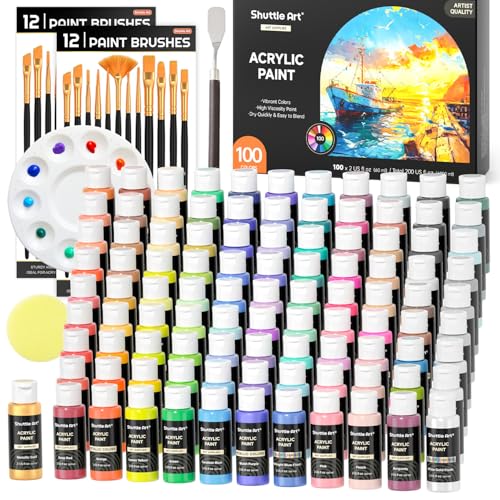

Creating a Shimmering Mixture for Your Items
To achieve a sparkling effect on your surfaces, combine clear adhesive or medium with your choice of fine reflective particles. I typically use a ratio of 1 part of the medium to 2 parts of the sparkle components. This ensures a good consistency without being overly frothy.
Next, pour the adhesive into a mixing bowl, followed by adding the shimmering particles. Stir gently but thoroughly until the mixture is uniform. The more refined the particles, the smoother the application will be. I prefer using iridescent flecks for a more dynamic visual appeal.
Before applying, test the mixture on a scrap piece to gauge the sheen and coverage. Adjust the amount of reflective elements if needed for a more pronounced effect. Ensure you have a clean brush or roller on hand for even application. I suggest working in sections to maintain control over the finish.
After applying, allow sufficient drying time as per the adhesive manufacturer’s instructions. Once set, consider a top coat to protect the finish and enhance durability. This added step can prevent chipping and fading, preserving the sparkle longer.
Keep any leftover blend in a sealed container for future touch-ups, ensuring to give it a good shake before reusing. This method allows for the customization of shine levels and can transform ordinary items into eye-catching pieces.
Choosing the Right Base Material
Select a high-quality acrylic or latex option. These types provide excellent adhesion and durability, essential for long-lasting results.
Considerations for Selection
- Finish Type:
- Matte offers a subtle, understated effect.
- Satin gives a soft sheen, enhancing the shine of added elements.
- Glossy creates a reflective surface that amplifies sparkle.
- Color Compatibility:
- Choose a base color that complements or contrasts with the shimmer additive.
- Neutral shades provide a blank canvas, while bold colors can make the enhancement pop.
- Environment:
- Ensure the base is suitable for the area of use, like moisture-resistant for kitchens or bathrooms.
Application Method
A smooth application is crucial. Test on a small surface first to verify coverage and adhesion. Multiple thin coats provide a better finish than a single thick layer.
Selecting Suitable Glitter Types for Your Project
Opt for fine or ultra-fine particles for a smooth, elegant finish. These types blend seamlessly into the medium you’re transforming, enhancing rather than overwhelming the surface.
Chunky varieties work well for a more playful or textured appearance. They create a bold effect, best suited for accent pieces where eye-catching designs are desired.
Consider holographic options to add depth and dimension. These sparkles can shift in color depending on the light, providing a dynamic element to your project.
Reflective or metallic versions deliver a sophisticated shine, ideal for achieving a glam look. They are perfect for creating a modern aesthetic that can elevate the overall design.
For durability, choose types that are resistant to fading and wear. Water-resistant or UV-protected options ensure the finish maintains its allure over time, especially in high-traffic areas.
Finally, test various types with your chosen base. Applying them on a small scale assists in visualizing the final look and helps in determining which texture best meets your vision.
Mixing Sparkle with Color: Step-by-Step Instructions
Begin by selecting a clean mixing container that offers sufficient space to combine ingredients. A plastic bowl works well due to its lightweight nature.
Gather the following materials:
- Base hue of choice (latex or acrylic)
- Fine shimmer particles
- Stirring stick or paint mixer
- Measuring cup or spoon
Measure the base color. A standard ratio is one part shimmering additive to three parts paint. Adjust this based on desired intensity of sparkle.
Pour the selected amount of base hue into the mixing container. Then, measure the fine sparkle and add it to the container.
Use the stirring stick to thoroughly blend the materials. Ensure all shimmer particles are evenly distributed throughout the color. This may require several minutes of mixing.
Evaluate the consistency. If the blend seems too thick, consider adding a small amount of water or paint thinner to achieve the desired viscosity.
After mixing, test a small portion on a scrap piece to gauge the visual outcome. Make adjustments if necessary, adding more shimmer for extra dazzle or more base color for subtlety.
Once satisfied with the mix, transfer it into a suitable container for application. Label the container with the mix ratio for future reference.
Applying Sparkle Coating on Different Surfaces
Prepare the workspace by ensuring surfaces are clean and dry. Dust, oils, or existing finishes can hinder adhesion.
For wood, sand the area lightly, then apply a base coat tailored for the wood type. Once dry, apply the sparkle mix, ensuring even coverage. A foam roller can help achieve a smooth finish.
Metal surfaces should be prepped by cleaning with a degreaser. If rust is present, treat it with a rust-inhibiting primer. After priming, use a spray gun or brush for application, allowing adequate drying time between layers.
On plastic items, lightly sand to improve grip. A plastic adhesion primer is advisable to enhance bonding. Follow with the decorative mix and allow sufficient time to cure for longevity.
For fabric, choose a special fabric medium that allows flexibility. Blend it with your chosen sparkle and test on a scrap piece first. Apply using a sponge for gentle tapping, and ensure it cures fully before use.
| Surface Type | Preparation Steps | Application Recommendations |
|---|---|---|
| Wood | Sand lightly, clean dust | Use a foam roller for smooth finish |
| Metal | Degrease, apply rust primer | Consider spray gun for uniformity |
| Plastic | Sand lightly, apply plastic primer | Brush application recommended |
| Fabric | Mix with fabric medium | Apply with a sponge for soft texture |
Always let each application cure fully before introducing any use to ensure durability and prevent damage.
Sealing and Finishing Your Glittered Furniture
Once the shimmer is applied to your item, sealing it is crucial to protect the surface and enhance durability. I opt for a high-quality clear sealer or polyurethane to coat the surface. For the best results, use a spray can for an even application and to avoid brush marks. Ensure to select a water-based formula if you desire a low odor and a quick drying time.
Application Techniques
Before sealing, allow the colorful surface to cure for at least 24 hours. Spray the clear coat from a distance of 10 to 12 inches to ensure even coverage. I usually apply several thin coats rather than one thick layer, allowing each coat to dry completely according to the manufacturer’s instructions before applying the next.
Final Touches
After the final coat has dried, examine the surface for any imperfections. A light sanding with fine-grit sandpaper can smooth out any rough areas. For added protection, especially on surfaces that will see heavy use, consider finishing with a final coat of wax. This not only adds an extra layer of defense but also gives a soft sheen that enhances the design.
Cleaning and Maintaining Your Sparkling Creations
To ensure the longevity of your dazzling surfaces, regular maintenance is essential. Begin by dusting with a soft, dry cloth to avoid scratching the shimmering finish. For deeper cleaning, use a damp cloth with mild soap, avoiding abrasive cleaners that can dull the shine.
Protective Measures
Apply a clear acrylic sealer or topcoat specifically designed for decorative finishes. This additional layer protects against peeling and fading, prolonging the life of your surfaces. Reapply the sealer annually to maintain that fresh look.
Handling and Care
When using your pieces, avoid placing heavy items directly on the surface. Use coasters to prevent scratches and preserve the luster. Keep away from direct sunlight to prevent discoloration over time. With these steps, your stunning creations will remain a focal point for years to come.
FAQ:
What materials do I need to make glitter paint for furniture?
To create glitter paint suitable for furniture, you’ll need a few basic materials: acrylic paint in your desired color, fine glitter, a mixing container (like a cup or bowl), and a mixing tool (such as a stir stick or spoon). Optionally, you might want to have a clear sealer or varnish for a protective finish once the paint has dried.
Can I use any type of glitter for my paint, or are there specific kinds I should choose?
While you can use various types of glitter, it’s best to opt for fine and non-toxic glitter, especially if the furniture will be used frequently. Craft or cosmetic glitters generally work well. Some glitters are designed for specific applications, so make sure to pick a type that adheres well to paint and is suitable for surfaces that may require cleaning.
How do I mix glitter into the paint for the best effect?
The process of mixing glitter into paint is straightforward. Start by pouring your chosen acrylic paint into the mixing container. Gradually add the glitter, usually about two tablespoons of glitter for every cup of paint, but you can adjust this based on how sparkly you want the final product. Stir the mixture thoroughly to ensure an even distribution of glitter throughout the paint, and check for any clumps that might need breaking up. Once well mixed, you can apply the paint to your furniture surface.
Are there any tips for applying glitter paint to furniture?
Applying glitter paint requires a few considerations to achieve a smooth finish. First, make sure the furniture surface is clean and dry before starting. Use a quality paintbrush or roller to apply a thin, even coat of paint. Depending on the desired look, you might need to apply multiple layers, allowing each layer to dry fully before adding the next. For enhanced durability, consider sealing the painted surface with a clear varnish once it’s completely dry, which helps protect the glitter and paint from wear and tear.


