
 Caleb Turner
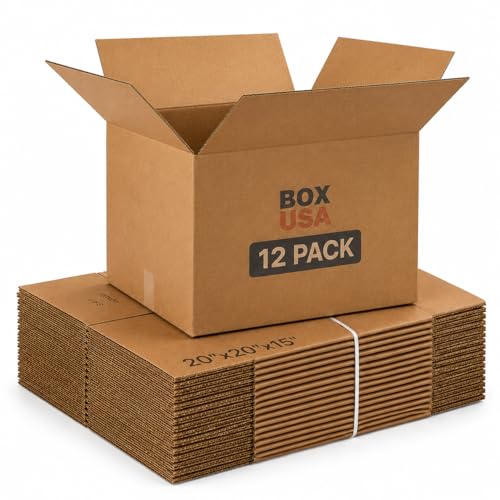
Envision a stunning nightstand crafted from two sturdy shipping cartons. Cut and shape them into an elegant design, then reinforce the structure with hot glue for added stability. A smooth finish can be achieved by wrapping the exterior with decorative paper or paint, allowing for personalized flair.
Consider a seating solution; stack several flattened containers and secure them with adhesive. Enhance comfort by adding a cushion on top–this simple addition transforms your seating arrangement into a cozy spot. Don’t underestimate the strength of layered mediums; they can easily support weight when applied correctly.
For a playful touch to a child’s room, create imaginative shelving units. Use assorted container sizes, attaching them to the wall in a playful arrangement. This not only provides practical storage but also serves as an eye-catching display. Remember to stabilize larger sections for durability.
Incorporating these clever ideas into your space not only promotes sustainability but also showcases your creativity. With just a few common materials, stunning additions to your home can arise from what might otherwise be discarded.
Choosing the Right Cardboard Boxes for Your Project
First, I prioritize selecting sturdy containers that can bear weight and provide a stable structure. Look for double-wall or heavy-duty variations, as they offer enhanced durability compared to regular single-wall types.


Next, I ensure the dimensions align with my intended design and size requirements. For larger constructions, I prefer boxes that are spacious, which minimizes the need for multiple pieces that can complicate the assembly and design.
Condition plays a significant role in my selection. I avoid any items with rips, stains, or dampness since these imperfections weaken structural integrity. I inspect edges and corners carefully for signs of wear.
| Type | Use Case | Durability |
|---|---|---|
| Single-wall | Lightweight creations | Low |
| Double-wall | Moderate weight items | Medium |
| Heavy-duty | Heavy pieces | High |
Additionally, I consider the box sizes I can find, ensuring they complement each other for seamless assembly. A variety of sizes allows for creative designs and adaptability.
Lastly, I often check for any available recycled options. Using repurposed materials not only supports sustainability but also adds character to the project, giving it a unique touch.
Tools Needed for Cardboard Furniture Construction
For constructing innovative seating and storage solutions, having the right tools is paramount. Here’s a list of essential devices and materials that streamline the building process.
Basic Hand Tools
- Box Cutter: Sharp blades are crucial for precise cuts. A retractable blade ensures safety when not in use.
- Ruler or Measuring Tape: Accurate measurements guarantee that sections fit seamlessly together.
- Scissors: Useful for trimming small sections and details that a cutter might not reach.
- Pencil: Marking guidelines before cutting helps maintain accuracy.
Adhesives and Fasteners
- Hot Glue Gun: Provides strong, quick bonds. Ideal for hinges and structural joins.
- White Glue or PVA: Effective for larger surfaces and can be used to secure layers together permanently.
- Tape: Packing tape or masking tape can reinforce joints and edges during the assembly process.
Using these tools will enhance both the efficiency and the quality of designs. Investing in durable and reliable equipment pays off in the end, saving time and potential frustrations during the creative process.
Designing Your Furniture: Sketch Ideas and Measurements
Begin with brainstorming concepts for your creation. Use a sketchbook to draw rough outlines of your ideas, focusing on shapes and dimensions. Keep proportions in mind by using a scale; for example, 1 inch on paper can represent 1 foot in reality.
Incorporate specific measurements into your designs. For seating, aim for a height of 18 inches for the seat and 30 inches for the backrest. For tables, a standard dining height is about 30 inches. Measuring accurately will prevent issues during assembly.
Take into account functionality. If your design includes storage, provide adequate space by incorporating compartments or drawers. For instance, a shelf should have at least 12 inches in depth to hold items securely.
Visualize your sketches in three dimensions. Utilize templates or models to enhance understanding of how components will fit together. Cardstock can serve as a durable alternative for prototype testing.
Finally, gather feedback on your designs. Share with friends or family to gauge usability and aesthetics. This can reveal insights that refine and improve the final product before physical construction begins.
Cutting and Shaping Cardboard Panels
I recommend using a sturdy utility knife for precise cuts. First, measure your desired dimensions carefully, marking them with a straight edge and a pencil.
Position the cardboard flat on a stable surface. For clean cuts, it’s beneficial to use a cutting mat underneath to protect your work area and prolong the life of your blade.
To ensure straight lines, score along the marked line using the utility knife, applying light pressure initially. Once you’ve scored the surface, follow up with a firmer cut to fully slice through the material.
For curved shapes, I employ a circular object as a template. I trace around it, then carefully cut along the line. A pair of scissors can also be useful for smaller, intricate curves, allowing for smoother transitions.
If additional shaping is required, I utilize a wet sponge to slightly moisten the panel’s surface. This softens the fibers, making it easier to manipulate into desired contours. Once reshaped, allow it to dry completely to retain its form.
For added strength, especially in high-stress areas, I recommend layering multiple pieces together. Glue them securely and allow ample drying time before proceeding to assembling the structure.
Assembling Cardboard Furniture: Techniques and Tips
For robust connections, I use a combination of glue and tape. Hot glue provides a strong bond, while tape serves as an added layer of security during the drying process. Applying glue to both surfaces before bringing them together yields the best results.
Reinforcement Strategies
Adding additional layers to areas that bear weight increases durability. For instance, I double up material on the base and legs of a chair or table. Utilizing triangular supports between joints also enhances stability and strength.
Finishing Touches
Once assembled, I focus on aesthetics. Covering exterior surfaces with paint or decorative paper not only enhances visual appeal but also protects against moisture and wear. Sealing the edges with adhesive tape helps prevent fraying, giving a polished look.
Enhancing Durability with Reinforcement Methods
Consider integrating the following techniques to bolster the structural integrity of your project:
- Double-layering: Use two sheets in key areas to resist bending and warping. Ensure the grains of the sheets are oriented in different directions for maximum strength.
- Cross-bracing: Install triangular reinforcements at corners and edges. This method disperses stress and prevents wobbling.
- Internal Supports: Utilize vertical or horizontal dividers inside larger pieces. These will add stability and support heavy loads.
- Corner Connectors: Use L-shaped brackets or additional cardboard cutouts at corners to enhance joint strength. This reduces the risk of separation under weight.
- Waterproofing: Apply a protective coating, such as Mod Podge or a clear sealant, to moisture-sensitive areas. This increases longevity and guards against spills.
Test different methods to identify the best combination for your design. Keep track of weight limits and always adjust according to the materials used.
Finishing Touches: Painting and Decorating Cardboard Furniture
Choose high-quality acrylic paint for an impressive finish. It adheres well and dries quickly, making it an ideal choice for this material. Before applying paint, seal surfaces with a primer to enhance adhesion and durability. Use a water-based primer for easy cleanup.
Color Selection and Application Techniques
Opt for colors that complement your space or make a statement. Test shades on a small section to see how they look when dry. Use a foam roller or brush for smooth application; thin coats prevent drips. Wait between coats for the best results–typically 1-2 hours–depending on temperature and humidity.
Creative Decorating Ideas
Incorporate patterns with painter’s tape; geometric designs can add flair. Stencils also work well for intricate motifs. For a natural look, consider using decoupage techniques with patterned paper or fabric, applying a layer of adhesive on both the surface and the top layer to seal it.
Enhance the final look with accessories like cushions or throws to make the piece inviting. Consider applying a clear varnish or sealant for extra protection and longevity against wear and tear.
Maintenance and Care for Cardboard Creations
For the longevity of my creations, regular upkeep is essential. I start by keeping surfaces free from dust and dirt with a soft cloth, ideally microfiber, which avoids scratching the texture. When spills occur, I quickly blot them with a damp cloth, never wiping aggressively, as moisture can compromise the structural integrity.
Humidity Control
I maintain the environment around my crafted items by keeping humidity levels moderate. High moisture can weaken the material, so I avoid placing them in damp areas. Using a dehumidifier during humid seasons has proven useful.
Preventing Wear and Tear
To prevent compression and deformation, I place felt pads under heavy items or keep them off surfaces where they might be overloaded. Rotating pieces regularly, especially those exposed to frequent use, can also minimize localized wear. Additionally, I steer clear of sharp objects that can puncture or tear the material.
FAQ:
What types of cardboard boxes are best for making furniture?
The best types of cardboard boxes for making furniture are large, sturdy boxes such as appliance or shipping boxes. These are typically made from thicker cardboard, which provides better support. Avoid small, thin boxes like cereal boxes, as they won’t offer the necessary stability for furniture pieces.
How can I reinforce my cardboard furniture to ensure it holds weight?
To reinforce cardboard furniture, you can use additional layers of cardboard in critical areas, such as the base and joints. Tape or glue can be applied at the joints to add strength. You might also consider adding wooden dowels or metal brackets in places where additional support is needed. This will help distribute weight more evenly and improve the durability of your furniture.
Can I paint or decorate cardboard furniture without damaging it?
Yes, you can paint or decorate cardboard furniture. It’s advisable to use water-based paints or acrylics, as they are less likely to warp the cardboard. Applying a primer before painting can create a smoother surface and improve paint adhesion. For decorating, you might also use fabric, contact paper, or decals, but make sure to use non-water-soluble adhesives to protect the cardboard from moisture.
What kind of furniture can I realistically make from cardboard boxes?
You can create a wide variety of furniture pieces from cardboard boxes. Common options include coffee tables, chairs, shelves, and even small beds. The design will largely depend on your creativity and skill level. Start with simple structures that require basic cuts and folds, and as you gain confidence, you can attempt more complex designs like armchairs or side tables.
How long will cardboard furniture last, and how can I maintain it?
Cardboard furniture can last several months to a few years with proper maintenance. To extend its lifespan, keep it in a dry environment to avoid moisture damage. Regularly inspect for wear and tear, and reinforce any weak spots as needed. If the furniture gets dirty, gently wipe it with a damp cloth. Avoid soaking it or using harsh chemicals that could degrade the cardboard.


