Caleb Turner

Gather a collection of sturdy cardboard pieces and a sharp utility knife. The first step involves sketching out your vision. Measure the dimensions to ensure that your creation fits the intended space. Precise marking will lead to cleaner cuts and a better overall finish.
Next, reinforce structural integrity by layering cardboard. Use glue or tape to join sections, focusing on corners and joints for added stability. Consider the addition of decorative elements like paint or fabric to create an appealing look. This approach not only enhances aesthetics but also provides durability.


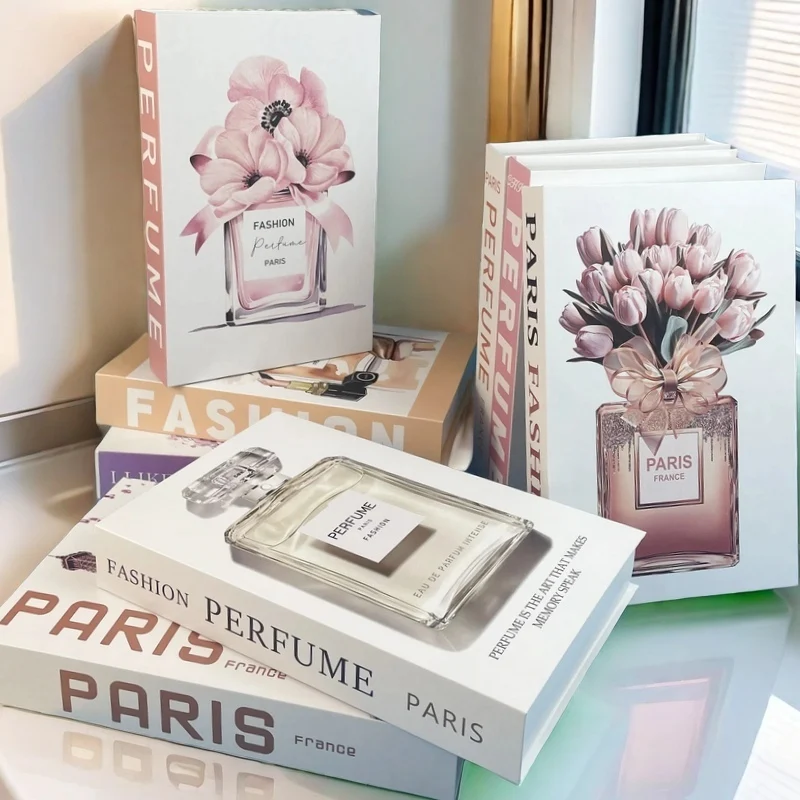
When assembling, ensure that the edges align perfectly. Use weights to hold pieces in place while the adhesive dries. Adding small feet or casters can create a functional base, allowing for easier movement of the item. Tailor your design to suit your personal style, interpreting traditional shapes in a modern way.
Choosing the Right Type of Cardboard for Your Project
The choice of material significantly impacts durability and aesthetics. Opt for high-quality, double-walled types for robust structures. This variant provides better strength compared to single-wall options, especially for larger items.
Weight Capacity
Assess the weight your design will need to support. Use thicker varieties for seating and shelving, ensuring that dimensions align with your usage requirements. Conduct load tests on smaller samples before committing to the final build.
Surface Texture and Finish
Consider the surface characteristics. A smoother finish allows for better paint adhesion, which enhances the visual appeal. Textured surfaces can add an interesting design element but might require additional preparation before painting.
Keep in mind the recycled content. Eco-friendly options not only contribute to sustainability but can also lend a unique appearance and texture, adding character to your creation.
Lastly, evaluate availability and cost. Bulky sheets may be more economical but can be harder to store. Balance your material needs with practical considerations to ensure a successful outcome.
Tools and Materials Needed for Cardboard Creations
For crafting sturdy items, I gather a few key tools and supplies. You will need a sharp utility knife or scissors for precise cuts. A ruler ensures straight lines, while a cutting mat protects surfaces during cutting. A hot glue gun with glue sticks provides firm adhesion, perfect for joining various components.
Additionally, I recommend using a sturdy tape, preferably packing tape, for reinforcing seams. A pencil allows for accurate marking on the material before cutting. For added strength, consider corrugated sheets, which offer durability and stability.
Additional Considerations
For more intricate designs, lightweight weights such as pebbles or small bags of sand can help hold pieces together while glue dries. I also keep craft paint and brushes handy for personalizing and decorating surfaces. Finally, a sanding block smoothes out any rough edges, enhancing the final appearance of your project.
Step-by-Step Guide to Designing Your Cardboard Furniture
Begin with sketching your concept. I often draft multiple designs on paper to visualize dimensions and layout. Clarity in your design prevents complications during the assembly phase.
Next, select a primary structure. I find it useful to decide whether to build a standalone item or a modular piece that can easily be modified. Measurements should align with intended use, ensuring stability and functionality.
Once the layout is finalized, prepare a detailed list of components. Break down your design into sections, such as the base, supports, and decorative elements. This approach helps maintain focus on each part of the process.
| Element | Measurement (cm) | Material Type |
|---|---|---|
| Base | 80 x 40 | Double-walled |
| Side Panels | 80 x 30 | Single-walled |
| Back Support | 80 x 50 | Single-walled |
Commence the cutting process. Using a sharp utility knife ensures precision. Follow the measurements closely to avoid discrepancies.
Assemble the pieces by gluing or taping them together. I have found that using a strong adhesive gives better long-term durability. Ensure all joints are secure, which contributes to the overall sturdiness of the item.
Enhance with a finishing touch. Paint, decorative paper, or fabric can greatly improve aesthetics. Opt for materials that align with your style and ensure they are compatible with the base material.
Lastly, test the strength and usability. Checking weight limits and overall function is vital to identify any necessary adjustments before full-scale use.
Techniques for Strengthening Cardboard Structures
I recommend using reinforcing techniques such as doubling layers for enhanced stability. By stacking two pieces on top of each other, I find that the combined thickness increases resistance to bending and collapsing.
Cross-bracing is another effective method. By adding diagonal supports across large panels, I can significantly improve the rigidity of the entire structure. Triangular shapes are particularly effective due to their inherent strength.
<p.Utilizing internal supports, like vertical columns or cross-sectional inserts, effectively redistributes weight. When I place these strategically in larger designs, I ensure that stress is managed more evenly across the structure.
<p.A layer of glue or adhesive between the stacked layers not only helps to bond them but also adds slight rigidity. I often use a strong craft glue for its quick drying time and effectiveness, ensuring a solid hold on every joint.
<p.Another technique involves cutting and folding corrugation in specific directions. I orient the flutes vertical when constructing vertical supports, as this orientation offers greater strength against compressive forces.
<p.I also incorporate foldable designs; creating elements that can be folded down when not in use adds an extra layer of durability while maintaining an aesthetically pleasing appearance.
<p.For aesthetic appeal with added strength, I occasionally wrap sections in fabric or decorative paper. This not only improves the look but can also add to the overall sturdiness if done correctly with strong adhesives.
<p.In my experience, a combination of these methods maximizes the durability of the whole project while allowing for unique designs that cater to specific needs and preferences. Each approach offers its benefits, and I typically choose techniques that best match the intended use of the item.
Creative Ideas for Cardboard Chair Designs
I’ve explored numerous concepts for constructing seating solutions that stand out. One captivating option is the origami-style chair. By folding large sheets into geometric shapes, I achieve both aesthetic appeal and structural integrity. Reinforcing key points with extra layers enhances stability.
Modular Seating Solutions
Creating modular pieces allows for versatility. Each section can be linked or separated depending on the need, making it perfect for social gatherings or compact living spaces. I use interlocking designs that maintain balance while adding an element of playfulness to the environment.
Reclining Armchairs
For comfort, incorporating a reclining feature turns a simple model into a lounge-worthy item. I add a tiltable backrest with a supportive base, ensuring that it resembles traditional styles while maintaining lightweight construction. Padding using recycled materials ensures comfort without compromising environment-friendly principles.
Building a Coffee Table: A Practical Approach
For a functional coffee table, I recommend using a double-layered structure for enhanced stability. Start by cutting two large rectangles of thick, rigid material, each measuring around 3 feet in length and 2 feet in width. This will serve as the top surface and base.
To add height, cut four pieces for the legs, approximately 18 inches long. For aesthetics, consider shaping the edges or adding decorative cut-outs. Use a hot glue gun or white glue for assembly, which allows for repositioning before the adhesive sets.
Creating Strength and Durability
Reinforce corners with triangular supports made from leftover pieces. This will distribute weight evenly and prevent sagging. Adding a layer of varnish or a combination of paint and sealant can significantly increase durability and give a polished appearance.
Attach non-slip pads to the bottom of the legs to protect floors and prevent sliding. If desired, additional compartments can be integrated beneath the top surface for storing magazines or remote controls, keeping the tabletop clutter-free.
Personalization and Finishing Touches
To personalize, consider decoupage techniques using patterned paper or fabric. Applying a clear coat after decoration ensures longevity and maintains the design’s vibrancy. With these techniques in place, I find my table not only functional but also a stylish addition to my living space.
Finishing Touches: Painting and Decorating Cardboard Furniture
I recommend using acrylic paint for its quick-drying properties and vibrant colors. Apply a base coat for an even surface, followed by your desired color. A matte finish can enhance the look and hide imperfections, while glossy paint adds a polished touch.
- Surface Preparation: Lightly sand the exterior to remove any rough spots. This ensures that the paint adheres properly.
- Sealing: Use a sealant to protect the finish after painting. A clear varnish or decoupage medium works well to prevent damage from moisture and wear.
- Stencils and Patterns: Create unique designs using stencils or painter’s tape. This allows for precise shapes and patterns for an artistic flair.
To personalize, consider adding decorative elements. Here are a few ideas:
- Fabric: Upholster surfaces with fabric scraps using a strong adhesive. This provides texture and a soft feel.
- Wallpaper: Adorn pieces with leftover wallpaper for a chic design. Apply with a suitable glue for durability.
- Stickers or Decals: Utilize vinyl stickers to add graphics or quotes, easily changing the vibe as desired.
For a final touch, incorporate lighting. String lights or LED strips can accentuate shapes and create warmth in your space. Always ensure any electrical components are safe and appropriately rated for use.
Maintenance Tips for Long-Lasting Cardboard Creations
Regularly inspect the structure for any signs of wear. This includes checking for creases, tears, or dampness. Addressing these issues early can significantly extend lifespan.
Use protective coatings to enhance durability. Applying a sealant or varnish can help safeguard against moisture and dirt. Make sure the coating is non-toxic and suitable for porous materials.
Store items in a dry location to prevent deterioration. Avoid placing these creations in areas with high humidity or direct sunlight, as both can weaken the material over time.
Clean surfaces gently using a dry cloth. For deeper cleaning, slightly dampen the cloth with water, ensuring not to saturate the material. Always allow it to dry thoroughly afterward.
Consider reinforcements in high-stress areas. Adding extra layers or additional support can prevent sagging and maintain structural integrity.
- Rotate use of items if possible. This prevents uneven wear and allows any stressed areas to recover.
- Avoid excessive weight or pressure on the creations, which can lead to damage.
- Keep sharp objects away from surfaces to prevent punctures.
Lastly, be mindful of changing your environment. Any significant shifts in temperature or humidity can impact your pieces. Regular adjustments can ensure they remain in the best condition possible.
Upcycling Ideas: How to Transform Old Cardboard Boxes
Begin with sturdy containers; prioritize those with minimal wear. Cut them into panels for various projects–these can become shelves or decorative elements. Reinforce the structure using tape or glue for stability.
Creative Applications
Consider creating storage solutions like bins or organizers. Use flaps to construct dividers inside larger containers, keeping items separated and easily accessible. For decorative purposes, I often paint them with bright colors or patterns, adding personality to any space.
Unique Decor Pieces
Craft wall art by layering flat pieces; paint over them for an artistic finish. Use smaller shapes to create a mosaic or collage. This approach adds a unique touch to walls without significant investment.