
 Caleb Turner

To bring the enchanting world of Dr. Seuss into your home, I recommend selecting bold colors and quirky shapes. Start with vibrant hues like lime green, bright pink, or sunny yellow, which are characteristic of his illustrations. Identify a piece in your living or play area that requires a touch of whimsy, whether it be a chair, table, or shelf; the more unconventional, the better.
Next, consider the forms of the furniture. Emphasize curves and asymmetrical lines, resembling the playful characters and landscapes from the stories. For instance, a chair can have an exaggerated backrest that resembles the Cat in the Hat’s hat, while a table might feature wavy edges reminiscent of Thing 1 and Thing 2’s lively antics.
Incorporate playful accessories such as drape fabrics that mimic classic Seuss patterns or decals inspired by his illustrations. These small touches can transform ordinary items into extraordinary statement pieces. When assembling your creations, don’t shy away from mixing and matching textures for an eclectic feel that resonates with Dr. Seuss’s imaginative spirit.
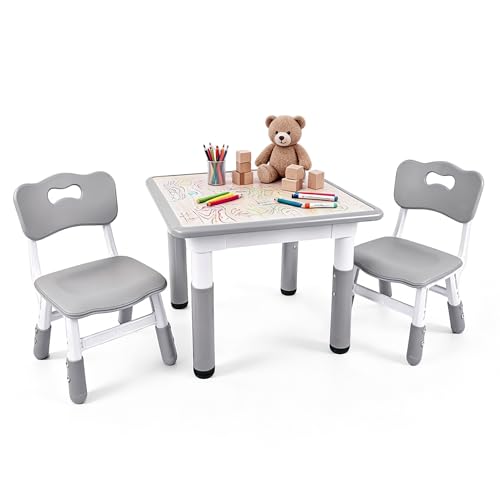


Creating Whimsical Home Decor Inspired by Dr. Seuss
Begin with a vibrant color palette. Think bright pinks, yellows, and greens. Paint your shelves in bold hues or use removable wallpaper featuring fun patterns to invoke the storybook essence.
Furniture Modification
Enhance existing pieces by adding unique legs. Look for misaligned or wavy shapes to replicate the playful aesthetic. Attach quirky knobs on drawers for an unexpected twist.
Accessorizing for a Playful Touch
Incorporate cushions and throws with imaginative motifs. Seek out fabrics that showcase whimsical characters or organic shapes. These elements add character without overwhelming the space.
Selecting the Right Materials for Your Seuss-Inspired Creations
Opt for plywood for structural elements, ensuring stability without excessive weight. It’s versatile and easily shaped into whimsical forms. For softer finishes, MDF provides a smooth surface ideal for paint and decorations, perfect for the vibrant aesthetics of Dr. Seuss designs.
Consider using bright, non-toxic paints to enhance the whimsical character. Water-based acrylics work well, offering a broad palette while being safe for indoor use. Experimenting with glossy finishes can create playful contrasts and delightful reflections.
Incorporate foam cushions with colorful upholstery for comfort. Look for durable fabrics that can withstand wear, like polyester blends, allowing for easy cleaning while adding fun textures. Mixing patterns inspired by Seuss illustrations can bring your pieces to life.
Utilize sustainable materials where possible, such as bamboo or reclaimed wood, to promote eco-friendliness. These choices not only contribute to a unique character but also support responsible crafting.
In terms of hardware, bright metal or plastic handles can enhance the playful vibe. Choose playful shapes that resonate with Suess’s imaginative worlds, creating a cohesive theme throughout the piece.
Prioritize safety by rounding edges and securing all components firmly. This guarantees that your creations remain both enchanting and practical in any playroom or children’s area.
Designing Unique Shapes and Colors for Dr. Seuss Style
Begin with the exploration of whimsical forms; a key aspect in capturing the essence of playful design. Curved lines, exaggerated proportions, and asymmetry are fundamental elements to incorporate. Consider using a combination of organic shapes, such as ovals and waves, for seating and tables. Angular features can add interest, creating a sense of fun and surprise.
Color selection is equally crucial. Bold, saturated hues like bright yellows, blues, and pinks can invigorate any piece. I recommend utilizing a palette that combines primary colors with unexpected accents–think teal with orange or purple paired with lime green. This approach brings energy and excitement into the space.
Experiment with color blocking techniques by applying multiple colors to a single item; this can transform a standard table into a statement piece. For instance, consider a chair with a primary color seat, contrasting armrests, and playful patterned legs. Such combinations not only create visual interest but also emphasize the furniture’s unique character.
Patterns are another avenue to explore. Incorporate swirling designs, stripes, or polka dots that evoke a sense of motion and delight. Use stencils or decals to apply these patterns efficiently without compromising quality. A mix of both solids and patterns within the same piece keeps the design dynamic and engaging.
| Aspect | Recommendations |
|---|---|
| Shapes | Curved, exaggerated, asymmetrical designs |
| Color Palette | Bold, saturated tones; primary colors with vibrant accents |
| Color Techniques | Color blocking for visual depth |
| Patterns | Swirls, stripes, polka dots applied via stencils |
Integrate 3D elements such as raised patterns or layered designs for tactile appeal. This dimension adds to the overall experience, making pieces not just visually arresting but also inviting to interact with. Finally, always keep functionality intact; ensure that while creativity reigns, comfort and usability remain a priority.
Tools Needed for Crafting Dr. Seuss-Inspired Creations
To kick off transforming your space with whimsical pieces, having the proper tools is paramount. Gather the following equipment for a smooth crafting process.
Basic Tools
A jigsaw will be indispensable for cutting out unique shapes that reflect the playful design. Additionally, utilize a measuring tape and square to ensure precise dimensions. An electric sander helps in achieving smooth edges on various surfaces, which is crucial for both aesthetics and safety.
Finishing Touches
For painting, a variety of brushes and rollers will work wonders in applying vibrant colors. Consider using a spray paint for an even coat on larger areas. A good quality primer will prepare the surfaces beautifully, enhancing paint adhesion. Lastly, clear sealants can protect your imaginative designs from wear and tear.
Once all tools are assembled, you’ll be ready to bring those fantastical visions to life with ease.
Step-by-Step Guide to Building a Seuss-Themed Chair
Begin with selecting a sturdy wooden frame that aligns with whimsical designs. Ensure the structure is stable to support unique dimensions. Cut the legs at varying heights for an asymmetrical look, enhancing the playful appeal.
Creating the Seat
Use a thick foam pad for comfort, then cover it with bright, patterned fabric. Opt for colors like red, yellow, and blue to capture the essence of playful aesthetics. Secure the fabric underneath, ensuring a neat finish without visible staples.
Backrest Design
Craft a backrest with exaggerated curves or waves. Attach it securely to the frame, ensuring it mimics the fluid lines characteristic of imaginative artistry. Paint the backrest in bold hues, incorporating interlocking shapes or fun motifs to complete the design.
Add embellishments like oversized buttons or characters from beloved tales to enhance the theme. Finish by applying a protective clear coat for longevity, allowing the seat to shine brilliantly in any child’s room.
Painting Techniques to Achieve a Whimsical Look
For a playful atmosphere, use bold and contrasting colors. Select primary hues alongside vibrant pastels to achieve a dynamic visual effect. Start with a base layer of bright paint, then apply additional colors using various techniques.
- Sponge Painting: This technique adds texture. Dip a natural sponge into paint and lightly dab it on the surface to create a whimsical, bubbly effect. Mix different colors to add depth.
- Splatter Painting: Load a brush with paint and flick it onto the piece for a spontaneous, lively finish. Protect surrounding areas with newspaper or masking tape to avoid unwanted splashes.
- Stenciling: Cut out fun shapes and characters from cardboard. Secure them on the surface and use a small roller to fill in the design. This method allows for precision while keeping the playful theme.
- Gradient Techniques: Blend two or more colors for a soft transition. Use a wet brush to feather the edges, creating a dreamy, surreal effect reminiscent of storybook illustrations.
To enhance the playful feel, consider adding glitter or metallic accents. Apply these elements after the base coat is dry, ensuring not to overpower the primary color scheme. Finally, finish with a protective sealer to preserve the vibrant look while maintaining durability.
Adding Fun Fabrics and Textiles to Your Creations
Choosing quirky fabrics and textiles is key to enhancing whimsical designs. Look for bright colors, playful patterns, and textures that evoke a sense of fun. Options like polka dots, stripes, and cartoonish motifs can bring life to any artwork.
Best Fabric Choices
- Cotton: Lightweight and versatile, it’s easy to work with and comes in many fun patterns.
- Felt: Great for adding texture; it’s easy to cut and glue onto surfaces for layered designs.
- Velvet: Offers a luxurious feel while still being playful, perfect for accent cushions or upholstery.
- Canvas: A sturdy option, excellent for sturdier pieces and can hold heavier designs.
Textile Applications
- Upholstery: Use sumptuous fabrics to cover chairs and couches, ensuring they capture the eye immediately.
- Pillows and Cushions: Add throw pillows with whimsical prints to inject personality.
- Accent Pieces: Incorporate scraps into patchwork designs for table runners or wall hangings.
- Custom Linings: Lining drawers or cupboards with playful fabrics adds unexpected delight.
Don’t shy away from layering patterns. Pairing a paisley with stripes can create a delightful chaos that characterizes this style. When selecting, consider comfort and durability alongside aesthetics, particularly for pieces that will see daily use.
Lastly, let your imagination lead the way–mix and match different fabric types to craft unique creations that tell a story and reflect the lively spirit of the theme.
Incorporating Playful Accessories and Details
Utilize quirky elements like oversized buttons, bright fabric tassels, or whimsical knobs to enhance your creations. Select materials that evoke a sense of fun, such as felt, pom-poms, or vibrant ribbons. For instance, attaching colorful pom-poms around the edges of a chair can create a playful border, turning a functional piece into an eye-catching delight.
Adornments that Spark Joy
Add cushions in bold, mismatched patterns–stripes paired with polka dots can create a lively atmosphere. Incorporate fabric with characters or scenes inspired by imaginative tales. Think about using cushions shaped like clouds or animals, adding an interactive and lively touch.
Unique Decorative Touches
Craft unusual wall art or shelving that complements the motif. Use painted wooden planks to create whimsical shelves that mimic tree branches or stack them to resemble a fun house of cards. Accessories such as wall decals or playful light fixtures can create an inviting and stimulating environment that captures the essence of fantasy.
Safety Tips for Creating Furniture for Kids
Prioritize stability by ensuring all pieces are constructed with a solid base. Use wide legs and non-tip designs to minimize the risk of tipping.
Choose non-toxic finishes and paints. Opt for products specifically labeled as kid-safe to eliminate harmful chemicals.
Round all sharp edges and corners to prevent injuries during play. Use corner guards if necessary for additional protection.
Ensure any small parts or detachable components are securely attached or designed to be out of reach. This reduces choking hazards.
Test weight limits to guarantee durability. Have a weight capacity per seat ensuring it can handle typical use without compromising safety.
Regularly inspect creations for wear and tear. Check for loose screws, splintered wood, or peeling paint to keep items safe over time.
Utilize child-safe adhesives and fasteners. Avoid small nails or sharp screws that can pose a danger.
Store any tools, paints, or materials out of reach to prevent accidents. Create a designated workspace that is child-free when not in use.
| Tip | Description |
|---|---|
| Stability | Stable base prevents tipping. |
| Non-Toxic Materials | Use kid-safe paints and finishes. |
| Rounded Edges | Round edges to avoid injuries. |
| No Small Parts | Avoid detachable small components. |
| Weight Limits | Test for adequate weight capacity. |
| Regular Inspections | Check for wear and damage. |
| Safe Fasteners | Use safe adhesives and screws. |
| Tool Storage | Store tools out of reach. |


