Caleb Turner
First, I recommend scavenging for materials you already have at home. Old shoeboxes, fabric scraps, and unused cardboard are excellent starting points. A shoe box can easily transform into a cozy living room or a quaint bedroom with just some paint or wallpaper made from wrapping paper.
Utilizing basic tools like scissors, glue, and tape, I often cut the cardboard into various shapes to construct beds, tables, or even a small wardrobe. By combining layers of cardboard, I can achieve sturdiness while allowing for creative designs that suit different themes.


Adding texture and color enhances the appeal significantly. I love using fabric remnants for upholstery, which provide a more realistic look to my projects. Small details, such as buttons or beads, can serve as decorative accents or even functional drawer pulls, making the entire setup more engaging for play.
Choosing the Right Materials for Doll Furniture
Opt for lightweight wood such as balsa or pine. These types are easy to cut and shape, making them perfect for creating small pieces without excessive strain.
Cardboard serves as an excellent alternative. It’s readily available, cost-effective, and can be painted or decorated to match various themes.
- Consider fabric for cushions and upholstery. Cotton, felt, or even old clothing can add texture and color.
- Foam sheets provide comfort and can be easily cut to fit specific dimensions.
Use non-toxic paints and adhesives. Safety should always be a priority, especially when the end product will be used by children.
- For structural components, choose MDF or plywood for durability and sturdiness.
- Metal connectors can enhance stability, particularly in complex designs.
Recycled materials are eco-friendly options. Old toys, furniture pieces, or even packaging can be transformed into innovative elements.
Incorporate natural materials like twigs or stones for a rustic touch. These can be found easily and add character to projects.
Experiment with transparent plastic for windows or doors. This allows for visibility and adds a realistic element to designs.
Finally, test different materials before committing to a larger project. This helps gauge how they interact with one another and the final look you wish to achieve.
Basic Tools Required for Doll Furniture Projects
The first tool I recommend is a good quality craft knife. This allows for precise cuts when shaping materials like wood or cardboard. It’s essential for intricate designs and small details.
A cutting mat is also necessary to protect surfaces. It provides a stable base and prevents damage to tables while working on various projects.
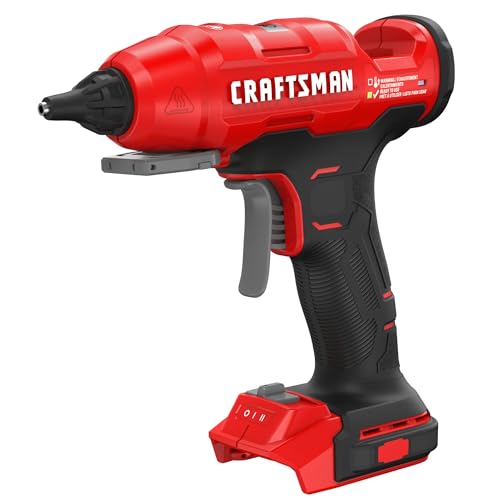
Next, I find a hot glue gun invaluable. It bonds materials quickly and securely, making it easy to assemble parts without long wait times. Always have plenty of glue sticks on hand.
For creating uniform pieces, a ruler is indispensable. It assists in measuring dimensions accurately, ensuring consistency throughout each item I design.
Plywood or balsa wood sheets can serve as a solid base for more complex constructions. They are light yet sturdy, offering flexibility in design.
Don’t underestimate the importance of sandpaper. It smoothens rough edges and provides a professional finish to each piece, enhancing the overall appearance.
Lastly, a set of paintbrushes and non-toxic paints bring color to creations. A variety of sizes allows for both broad strokes and fine details, ensuring my work stands out.
Step-by-Step Guide to Building a Bed for Your Miniature Figures
Begin with a base made of plywood, cut into a rectangular shape that accommodates the size of your petite personas. A 12×18 inch piece typically suits common figures well.
Materials Required
| Material | Purpose |
|---|---|
| Plywood | Base structure |
| Screws or nails | Joining corners |
| Paint or finish | Aesthetic touch |
| Foam or fabric | Soft bedding |
Construction Steps
1. Cut four pieces of wood: two for the long sides (12 inches) and two for the short sides (10 inches). These will form the frame.
2. Assemble the rectangular frame using screws or nails. Ensure corners are square for stability.
3. Attach a thin piece of plywood to the bottom of the frame for support. This will be the mattress base.
4. For comfort, measure foam or fabric to fit the top, securing it with adhesive. Consider quilted fabric for a cozy appearance.
5. Paint or apply a finish to the frame. Choose colors that complement your miniatures.
6. Let everything dry completely before placing your figures on their new resting spot.
Creating a Miniature Table and Chairs
For a charming set of small-scale seating and a surface, I recommend using wooden craft sticks or dowels as the primary material. These provide strength without excessive bulk.
| Component | Dimensions |
|---|---|
| Table Top | 6 inches x 4 inches |
| Table Legs | 4 pieces, 4 inches each |
| Chair Seat | 2 inches x 2 inches |
| Chair Legs | 4 pieces, 3 inches each |
For assembly, a strong adhesive is suggested for attaching the legs to the tabletop. First, measure and cut the wooden pieces according to the dimensions provided. I prefer using a craft knife or fine saw for precise cuts.
To assemble the table, begin with the tabletop. Glue the four legs so they are positioned at each corner, allowing the table to stand securely. Let it dry completely.
For the chairs, attach the legs to the seat using glue, ensuring they form a sturdy base. To create a backrest, cut an additional piece of wood resembling a small rectangle and attach it to the back of the chair using glue. Allow ample drying time for both the chairs and table before use.
For a final touch, painting or staining the assembled pieces can enhance their appearance. Apply a finish that is safe for small spaces, considering that these items may be around young children.
Painting and Finishing Techniques for Furniture
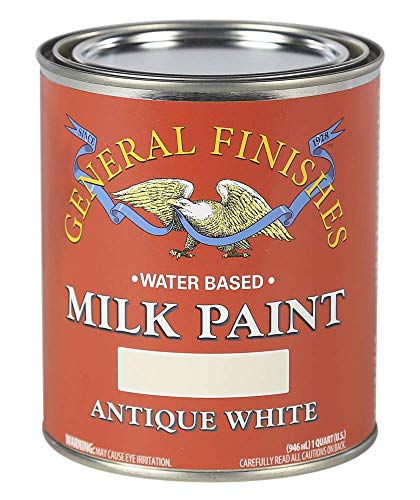
For a flawless finish, I always begin with a quality primer. It not only provides a good base but also reduces the number of paint coats needed. I use a water-based primer as it’s easy to clean up and dries quickly.
When selecting paint, I prefer acrylics. They offer a wide range of colors and are safe for indoor use. To achieve a smooth application, I use a synthetic brush or a foam roller, ensuring even coverage in every stroke. For intricate details, a small detail brush works well.
After the paint dries, I apply a clear acrylic sealer. This step protects the surface from scratches and gives it a nice sheen. I find that it enhances the colors and adds durability. Brush-on sealers work best for larger areas, while spray sealers are great for smaller pieces to avoid brush marks.
Experimenting with techniques like sponging or dry brushing can add character. Using a damp sponge, I dab on a contrasting color to create texture. Dry brushing, on the other hand, involves lightly brushing a lighter color over the raised areas to highlight details.
For a distressed look, I use sandpaper on edges and corners after painting. This technique simulates wear and tear, giving a vintage charm. I typically use fine-grit sandpaper to avoid damaging the underlying layers.
Lastly, always allow ample drying time between coats. Rushing this process can lead to smudges and streaks. I set time aside to ensure everything dries thoroughly for the best results.
Repurposing Household Items into Miniature Seating
Cardboard boxes transform effortlessly into chairs with a bit of creativity. Cut out rectangular pieces for the seat and backrest, then use additional strips to create support. A soft fabric glued over the structure adds comfort.
Egg cartons become delightful lounge chairs. Simply cut the carton to the desired height, and paint or decorate it to match your theme. They’re lightweight and easy to move around.
Using Cans for Tables
Aluminum cans create unique tabletops. Clean and peel off the labels, then attach a round piece of wood or cardboard as the tabletop. Paint the can and wood to coordinate with your project. Add small legs made from dowels or sturdy straws for added height.
Old Drawers as Beds
Repurpose a small drawer into a bed by sanding the exterior and painting it a fun color. Line the inside with soft fabric for a cozy feel. Pillows and blankets can be made from leftover fabric or felt scraps.
- Be sure to measure the scale relative to your figures.
- Sand any rough edges to prevent injury during play.
- Adjustments can be made with additional layering for extra sturdiness.
Creating miniature items from household materials not only saves money but also sparks creativity. The key is to visualize the potential of common objects and be bold in experimenting with different designs.
Adding Decorative Elements to Enhance Miniature Creations
I recommend using fabric remnants to create soft furnishings, such as cushions and throws. Simply cut small squares or rectangles and sew or glue them depending on the look you want. Bold patterns can add character, while soft fabrics provide a cozy appearance.
Incorporate tiny accessories like faux plants, miniature books, or framed pictures. These small items instantly liven up a space. Check thrift stores or craft supplies for miniatures that fit the theme of your project.
Consider adding embellishments. Ribbons, beads, and lace can transform plain surfaces. Attach lace to edges for a vintage feel or use beads to create handles on cabinets or drawers.
For a personal touch, use printed images to create wall art or posters. Print designs on card stock, trim them to size, and mount them in small frames. These can represent favorite characters or themes that resonate.
Ultimately, lighting can significantly enhance the aesthetic. Tiny LED lights or battery-operated tea lights can create a warm and inviting atmosphere. Place them strategically to illuminate key features.
Don’t underestimate the power of color. A fresh coat of paint on any surface can breathe new life into your piece. Experiment with different finishes, such as matte or glossy, for unique effects.
Lastly, arrange your elements thoughtfully. Group items in odd numbers and vary their heights to create visual interest. This can bring a sense of harmony and balance to your miniature world.
Tips for Storing and Organizing Toy Room Essentials
Utilize clear storage bins to sort various components by type–beds, tables, accessories. This transparency allows for quick identification without rummaging through boxes.
Label each bin clearly. Use bold markers or printed labels to indicate contents, promoting effortless access for both adults and children.
Vertical Space Optimization
Install shelves at a height accessible to kids. This encourages them to take ownership of their play area by organizing their own items. Decorative baskets can be placed on these shelves for added charm.
Rotating Display
Keep an area for rotating featured items. Display a selection of pieces while storing the rest. This not only refreshes the play environment but also makes it easier to manage what’s on-hand.
Incorporate a designated play area. Having a specific zone aids in maintaining organization and makes clean-up straightforward. Use rugs to define the space, making it inviting for playtime.
Consider drawer organizers within larger storage units. These sections help keep smaller accessories arranged and limit clutter.
Regularly reassess storage solutions. As new items are added or some become less utilized, adapt the organization system. This promotes longevity and efficiency in your space.