
 Caleb Turner

Utilizing heavy-duty straps and anchors is an effective way to prevent theft of your garden seating and tables. These products can easily be attached to fixed objects, ensuring your items remain where you intended.
Consider investing in locking mechanisms specifically designed for patio items. Chains and padlocks designed for outside use can offer an additional layer of protection. Always choose weather-resistant materials to avoid corrosion and wear.
Employing a designated storage area for your outdoor essentials during the off-season also minimizes risk. By storing them inside a shed or garage, you not only save space but also protect them from potential theft and weather damage.

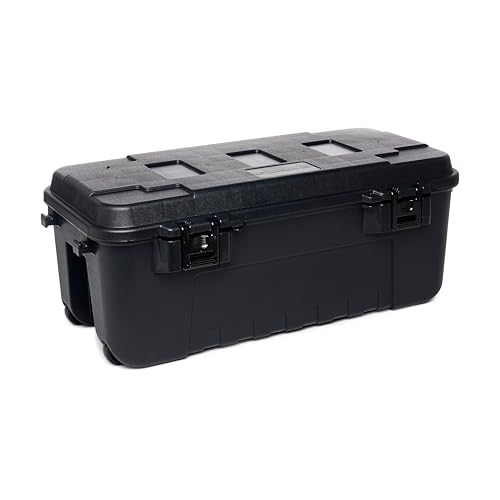

Regularly assess your surroundings and be mindful of security measures in your neighborhood. Collaborating with neighbors can create a community watchful eye, increasing overall safety for all shared spaces.
Securing Your Outdoor Pieces
Consider using heavy-duty chains and padlocks to secure each item to a fixed structure, like a fence or a large patio umbrella base. This minimizes the risk of theft and ensures everything stays in place during windy conditions.
If your items are made of metal or wood, a protective coating can deter rust and deterioration. This not only extends the life of your belongings but also makes them less appealing for theft.
Utilizing covers specifically designed for outside items can also enhance security. Waterproof and weather-resistant, these covers protect against both the elements and prying eyes.
Implementing a camera system in your outdoor space serves as a visible deterrent against theft. If you’re comfortable with technology, motion-activated lights can also enhance surveillance and prevent unwanted access.
For a more discreet approach, consider anchoring tables and chairs directly to the ground using hardware that is hidden from view. This is a permanent solution to ensure that your seating arrangements remain undisturbed.
Finally, keep a detailed inventory of your belongings. Photographs and receipts can aid in recovery should items go missing. Shared details with local authorities can expedite potential returns.
Choosing the Right Locks for Outdoor Furniture
Selecting durable and reliable security solutions is paramount. I recommend opting for combination padlocks for ease of use and to eliminate the need for physical keys, which can be lost. Look for models with a weather-resistant design and high corrosion resistance. Stainless steel combinations are preferable–avoid brass which can corrode over time.
Another option is a heavy-duty cable lock. The flexibility of a cable makes it easy to secure multiple pieces together or anchor them to a stationary object. Ensure the cable is thick and made of hardened steel to resist cutting tools.
For securing numerous items, what’s better than a hasp and staple setup? A robust hasp can be installed on a piece of furniture, allowing me to use a padlock to secure it. Selecting a hasp made of plated steel adds an extra layer of weather resistance.
For those in areas with higher theft rates, consider alarmed locking devices. Some systems emit a loud alarm if tampered with, providing an audible deterrent to potential thieves.
Finally, I highly recommend checking reviews related to the chosen locking mechanism to ensure it’s suitable for prolonged outdoor conditions. Continuous access to authentic feedback can guide me toward the most reliable options available on the market.
Securing Chairs and Tables with Chains
For maximum protection of your seating and surfaces, using heavy-duty chains is a practical solution. Select chains made from stainless steel or hardened material for enhanced durability and resistance to rust.
Steps for Effective Chain Security
- Measure the Perimeter: Assess the distance between the items you want to secure to determine the chain length needed.
- Choose the Right Thickness: A thicker chain can withstand cutting attempts better. Aim for at least 5/16 inch in diameter.
- Utilize Padlocks: Pair the chain with a robust padlock designed for outdoor use to enhance security further.
- Connect Each Item: Thread the chain through the legs of chairs and tables, ensuring it is tightly secured.
- Anchor to a Fixed Point: Attach one end of the chain to a stationary object, like a post or a building, to prevent removal.
Maintenance Tips
- Regularly check for signs of wear or rust on the chain and padlock.
- Keep the chain clean and lubricated to ensure smooth operation of the padlock.
- Consider using a protective cover for the chain to minimize exposure to the elements.
Implementing these measures significantly reduces the risk of theft, keeping your outdoor seating and surfaces secure. Investing in quality chains and locks pays off in the long run, providing piece of mind while enjoying your space.
Using Locking Storage Solutions for Cushions
Purchase a weather-resistant storage box designed specifically for cushions. Ensure it has a secure lid to deter unauthorized access. Look for options that are ventilated to prevent moisture buildup, which can lead to mold.
Consider a deck box made from durable materials like resin or metal. These are not only robust but also provide good protection against the elements while keeping your seat cushions neatly contained.
For smaller cushions, a dedicated locking tote can be practical. Choose one with reinforced locking mechanisms that can withstand tampering.
Utilize storage solutions with drainage capabilities. This feature is crucial in areas prone to heavy rainfall, as it helps keep your cushions dry and ready for use.
Additionally, placing a cushion storage solution near your seating area promotes easy access while maintaining security. This reduces the hassle of transporting cushions back and forth while deterring theft.
Best Practices for Anchoring Furniture to the Ground
Secure items using durable concrete anchors for a solid foundation. Drill holes into the ground and insert anchors that can withstand environmental conditions.
Utilize heavy-duty stakes or brackets designed for outdoor use to prevent movement. These can be driven into the soil near the legs of tables or chairs.
Consider ground anchors with tie-down straps made from weather-resistant materials. Attach these to your pieces, ensuring they are taut and properly tensioned.
When using larger pieces, such as lounges or sectionals, connect the elements together using brackets. This prevents separation and maintains the structure against wind or other forces.
Regularly check the integrity of your anchors and connections. Over time, exposure to elements may weaken fastenings, necessitating maintenance or replacement.
- Choose corrosion-resistant materials for all anchor components.
- Position items in sheltered areas to minimize weather impact.
- Combine methods, such as using stakes along with heavy objects, for added stability.
Implementing a Regular Maintenance Schedule for Security
Regular inspections are imperative. I recommend creating a checklist that includes checking all securing mechanisms monthly. This ensures that any wear or rust is promptly addressed before it leads to failure.
Inspection Checklist
| Item | Frequency | Action |
|---|---|---|
| Locks and Latches | Monthly | Inspect for rust and tighten screws |
| Chains and Cables | Monthly | Check for fraying or corrosion |
| Storage Units | Quarterly | Clean and inspect for structural integrity |
| Physical Anchors | Bi-Annually | Test stability and re-secure if loose |
Weather can lead to degradation of security features. For instance, I apply a rust-resistant spray on all metallic components and store them indoors during harsh conditions. This significantly extends their lifespan and reliability.
Documentation and Tracking
Keeping a log of maintenance activities helps in assessing patterns over time. I note down any repairs or replacements performed, which aids in planning ahead and ensuring consistent protection levels.
Creative Ways to Hide Locks and Increase Security
I often incorporate decorative elements to disguise securing mechanisms. Using planters, trellises, or art pieces can effectively conceal hardware while enhancing the aesthetics of the space.
Another approach is to integrate furniture designs with hidden compartments. For example, incorporating a faux table leg that houses a fastening point can prevent obvious visibility and deter tampering.
Camouflaging with natural elements works well too. Surrounding bands or chains with natural fibers or decorative coverings makes them less noticeable while blending with the environment.
A more innovative method involves using a rock or garden sculpture as a decoy. A carefully chosen object can not only secure items but also draw attention away from security features.
Employing colored wraps or DIY paint techniques on chains and fasteners can help them merge with the surroundings. This not only disguises their purpose but also offers an opportunity for personalization.
Hiding mechanisms under outdoor accessories, like cushions or table runners, can make security devices less conspicuous, while still providing strong protection against unauthorized access.
Lastly, employing smart technology, such as hidden cameras or motion sensors, adds an extra layer of protection. These can alert me to any unusual activity, further enhancing peace of mind regarding my belongings.
Assessing and Improving Your Outdoor Area’s Security
Begin with a thorough evaluation of the perimeter. Ensure that barriers and fences are sturdy and free from gaps. Inspect locks on gates, as a weak entry point can compromise your entire setup.
Install motion-sensor lights around the area. These devices deter intruders and enhance visibility during nighttime. Pair them with a surveillance camera system for real-time monitoring. Select cameras with night vision and weather resistance for optimal performance.
Consider incorporating shrubs or thorny plants near potential entry points. This adds a natural deterrent while improving aesthetics. Keep pathways clear; overgrown vegetation can obscure visibility and provide cover for unauthorized access.
Utilize a neighborhood watch program. Engaging with local residents fosters community awareness and can lead to quicker reporting of suspicious activities. Regularly communicate with neighbors to share information regarding safety measures.
Regular inspections and maintenance are vital. Check for wear and tear on all securing devices and update them as needed. Create a checklist to ensure that every component remains in optimal condition throughout the seasons.
Consider noise deterrents such as garden alarms or sensor-based systems that trigger alerts if someone approaches. These tools add another layer of awareness without being intrusive.
Implement regular security audits. Conduct these checks during different times of the day and night to understand vulnerabilities better. Keep a log of findings and update strategies accordingly.
Lastly, engage a professional for advice on enhancing overall security. An expert can identify weaknesses and offer tailored solutions that fit your unique requirements.


