
 Caleb Turner

Positioning comfy seating in a conversational cluster is a foundational step for creating an inviting atmosphere. Aim to have chairs and sofas facing each other with a small coffee table in between, establishing an intimate setting that encourages interaction.
Prioritize accessibility by leaving pathways clear. Ensure there’s enough space (ideally 18 inches) between pieces to facilitate movement. This is key for both aesthetic flow and practical usability, making daily activities seamless.


Utilize rugs to define areas, especially in open spaces. A well-placed rug can anchor seating arrangements and enhance visual warmth. Make sure the front legs of all major seats rest upon the rug for cohesion and balance.
Incorporate layers of lighting to enhance functionality and ambiance. Combine overhead fixtures with table and floor lamps, allowing for various lighting options that suit different moods and activities. This not only creates depth but also highlights key areas of interest.
Finally, assess the scale of each piece. Oversized items can overwhelm while miniature elements may get lost. Select proportions that complement the dimensions of the space and achieve a harmonious balance throughout the environment.
Arrangement Tips for a Cozy Space
Choose a central point to anchor attention when arranging the components. Position a comfortable seating piece, like a sofa or a pair of armchairs, facing this focal area–perhaps a fireplace, television, or a beautiful view. This setup encourages conversation and social interaction.
Spacing and Flow
Maintain a consistent distance between pieces. Aim for at least two feet of space for easy movement. Avoid overcrowding–introducing a coffee table can help define boundaries without disrupting flow. Choose an appropriately sized centerpiece that complements the surrounding seating while ensuring accessibility.
Layering Textures
Introduce a variety of materials to create depth. Mix soft textiles on the couch with sleek surfaces on tables. Incorporate rugs to delineate spaces, especially in larger areas. Use lighting strategically–table lamps and floor fixtures can enhance ambiance while making each section inviting.
Assess Your Living Area Size and Shape
Measure the dimensions of the space first. Use a tape measure to determine the width and length. Make note of any architectural features such as windows, doors, and built-in elements that may influence the arrangement.
Create a scaled drawing of the area based on the measurements. This allows visualization of how different pieces might fit together. It’s crucial to consider ceiling height as well, as it impacts lighting and furniture choices.
- For smaller spaces, consider streamlined items that can serve multiple purposes.
- In larger areas, think about creating distinct zones, such as a reading nook or a conversational setting.
- Irregular-shaped spaces benefit from flexible arrangements that adapt to the contours.
Identify potential traffic patterns. Ensure there are clear pathways for movement; aim for at least 24 inches of walking space between larger elements.
Account for natural light sources when positioning items. Bright spots create mood and define template choices effectively. Position larger pieces away from windows to avoid blocking light.
Reflect on the intended use of this area. Entertainment, relaxation, or social interaction dictates different configurations. Prioritize comfort alongside aesthetic appeal.
Determine Your Focal Point
Identify a central element to inspire the arrangement of pieces in the space. This could be a fireplace, a large window with a view, or even a significant piece of artwork. Position seating to encourage conversation while highlighting this primary feature.
Fireplace Focus
Arrange sofas and chairs facing the fireplace for warmth and intimacy. This setup invites guests to engage with each other while enjoying the ambiance provided by flames.
Art and Views
If using artwork as a centerpiece, ensure the seating allows for a clear line of sight. When working with a view, place seating where occupants can admire the scenery. Incorporate side tables for convenience while keeping a harmonious flow through the area.
Choose the Right Sofa and Seating Arrangement
Identify the ideal sofa based on the overall aesthetic and purpose of the space. A sectional may work best for larger areas, providing ample seating for gatherings. For compact setups, a loveseat coupled with accent chairs can optimize comfort without overwhelming the space.
Position the seating in a way that promotes interaction. Arrange the sofa and chairs to create a welcoming conversation area. Aim for a distance of 18 inches between seats for accessibility, ensuring that guests can engage without feeling cramped.
Select upholstery wisely. Fabrics like linen or velvet offer a sophisticated appearance but may require more maintenance. Consider faux leather for durability in high-traffic areas, or choose a washable fabric if pets are present.
Incorporate additional elements such as ottomans or side tables for flexibility. Ottomans serve as multifunctional pieces, providing extra seating or a spot to kick up feet. Side tables should be easily reachable, ideally located within arm’s length from seating arrangements.
Lighting complements seating arrangements. Ensure the area is well-lit, using a combination of overhead fixtures and floor lamps. Adjustable options allow for creating intimate settings when needed.
Incorporate Coffee Tables and Side Tables
Integrating coffee tables and side tables into the arrangement provides functionality and enhances aesthetics. Opt for a coffee table that complements the main seating options while maintaining adequate space for movement. A height between 16 to 18 inches is ideal for most sofas.
Choose shapes based on your space dynamics: round tables work well in smaller areas, reducing harsh corners, while rectangular options suit larger, more open layouts. Ensure that the coffee table sits 18 inches away from seating to allow easy access.
Side tables should be strategically placed next to seating elements for maximum convenience. Standard heights are around 24 inches for optimal reach from sofas and chairs. Consider incorporating varied styles and materials to add visual interest, ensuring they align with the overall design theme.
Utilize multi-functional pieces, such as ottomans that double as storage or tables, to maximize usability. Stackable or nesting tables can also be advantageous in smaller settings, allowing for flexible arrangement as needed.
| Table Type | Ideal Height (inches) | Best Shapes | Functionality |
|---|---|---|---|
| Coffee Table | 16-18 | Round, Rectangular | Central gathering spot |
| Side Table | 24 | Square, Round | Convenient for drinks and lamps |
| Ottoman | 16-18 | Various | Storage & seating |
| Nesting Table | 20-24 | Various | Flexible use |
With strategic placement and thoughtful selection, these pieces can enhance comfort while maintaining a visually pleasing environment. Prioritize cohesion in style to create a harmonious setting that draws attention and encourages interaction.
Plan for Traffic Flow and Accessibility
Prioritize clear pathways to ensure ease of movement. Maintain at least 2 to 3 feet of space for walking routes between pieces, allowing for natural flow without obstruction.
Position seating away from main traffic areas. Avoid placing chairs or sofas directly in walkway spaces, as this restricts movement and creates congestion. Consider potential foot traffic patterns to determine optimal placements.
Incorporate multi-functional pieces, such as ottomans or storage benches, which can serve as seating while maintaining walkable pathways. This approach maximizes function without sacrificing accessibility.
Evaluate doorways and entry points. Ensure that all pieces do not block access to these areas, facilitating easy entry and exit. Leave space for people to pass comfortably without needing to navigate around obstacles.
Take into account the height of furniture. Low-profile pieces can open up pathways and create a more spacious feeling, while taller items might hinder sightlines and movement.
Finally, consider the needs of all household members. If mobility is a concern, prioritize easy-to-reach items and ample maneuvering space. This thoughtful planning enhances usability and overall enjoyment of the area.
Add Storage Solutions Without Cluttering
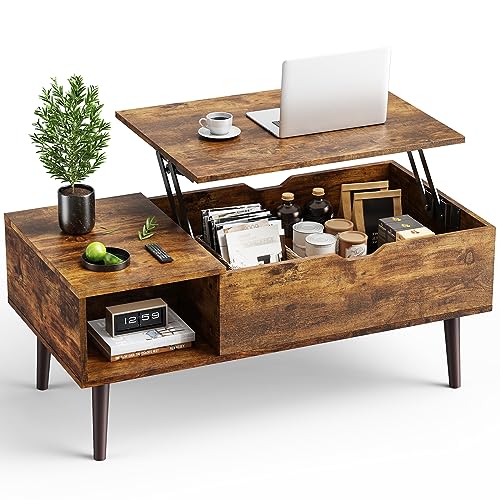
Incorporating multifunctional pieces is key. Opt for a coffee table with drawers or one that doubles as a bench, allowing for hidden storage while maintaining a streamlined appearance.
Wall-mounted shelves free up floor space. Choose adjustable ones for displaying books or decor, utilizing vertical areas efficiently. This also draws the eye upward, enhancing the perception of the area.
Baskets and bins can be stylish yet practical. Use them to organize magazines, remote controls, or toys. Select those that complement the color scheme to blend seamlessly.
Consider furniture with built-in storage, like sofas with under-seat compartments. This not only adds practicality but also reduces the need for bulky cabinets or shelves.
Utilize the corners effectively. Corner units or tall bookcases can create additional storage without disrupting the flow of the setup.
Keep surfaces clear by regularly reassessing items on display. Limit decorative objects to a few standout pieces for a clean look while maintaining personal style.
Lastly, incorporate a stylish ottoman that offers storage space. This approach provides seating and keeps blankets or games out of sight, enhancing organization and comfort.
Utilize Rugs and Lighting to Define Spaces
Layering rugs can create distinct areas, separating zones for relaxation and conversation. Choose sizes that complement the scale of the seating. A large area rug under the main seating helps unify the space, while smaller accent rugs can define secondary areas.
- For a cohesive look, ensure at least the front legs of the sofa and chairs are placed on the rug.
- Mix textures and patterns thoughtfully to enhance visual interest without overwhelming the senses.
Lighting plays a pivotal role in shaping atmosphere. Incorporate multiple sources to achieve balance. Employ a combination of ambient, task, and accent lighting to cater to various activities.
Layered Light Sources
- Use overhead fixtures for general illumination.
- Add floor and table lamps to provide targeted light where needed.
- Incorporate dimmers for flexibility, allowing you to adjust brightness based on mood and time of day.
Accent with Light
Highlight artwork or architectural features with directional lighting. This approach not only elevates the aesthetic but also enhances the perception of space.
Strategically placed lighting and thoughtful rug choices not only delineate areas but also transform ambiance, ensuring a functional yet visually appealing environment.


