
 Caleb Turner
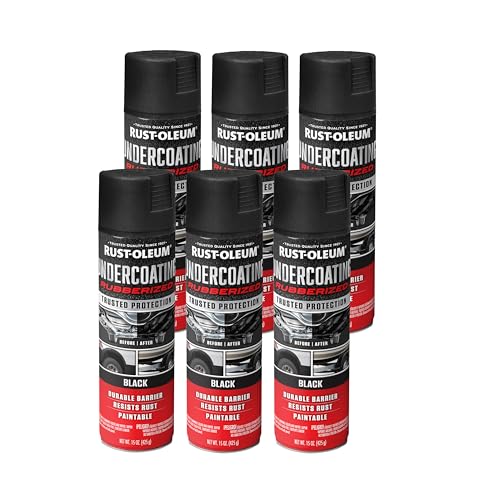
Applying a coat of high-quality exterior paint specifically designed for metals is my first recommendation to create a protective barrier against moisture and air. This step significantly minimizes the chances of deterioration over time.
Regularly inspecting the surface for scratches or blemishes is crucial; any exposed areas should be promptly touched up with paint to maintain that protective layer. Additionally, I find that using a rust-inhibiting primer before painting adds an extra line of defense against corrosion.
Incorporating a routine of gentle cleaning with mild soap and water aids in removing dirt and grime that can trap moisture against the surface. Follow-up with a wax or oil specifically designed for metal finishes, as this can help repel water and provide an additional protective coat.
Storing these pieces in a sheltered area during inclement weather dramatically reduces exposure to elements, which prolongs their lifespan. If these are placed outdoors, consider using covers made from breathable materials to prevent moisture buildup.
Maintenance Techniques to Prevent Corrosion
A monthly inspection of surfaces is crucial. I check for scratches and chips in the finish, as these can expose metal. Applying a rust-resistant spray or sealant over these areas helps mitigate potential issues.


Cleaning with mild soap and water regularly prevents dirt accumulation. Afterward, I dry the pieces thoroughly to discourage moisture retention. A microfiber cloth works well for this task.

Protective Coatings
Utilizing a high-quality wax or specialized outdoor coating can enhance durability. I apply these products every six months. They form a barrier against the elements, which is especially beneficial in humid environments.
Storage Solutions
If I anticipate prolonged periods of non-use, I store items indoors or cover them with a breathable fabric. This practice limits exposure to rain and snow, safeguarding metal portions from corrosion.
Understanding the Causes of Rust on Wrought Iron
Moisture exposure contributes significantly to oxidation of raw metal. Water, especially in humid conditions, accelerates the deterioration process. Leaks, spills, or heavy rain can be detrimental if not wiped off promptly.
Additionally, the presence of salts, such as from coastal environments or de-icing chemicals, enhances corrosion. These substances can penetrate the protective coatings, leading to rust formation.
Acidic substances, like certain cleaners or pollutants, can damage protective finishes. Maintaining a neutral pH environment is crucial for preservation.
Physical damage plays a role too; scratches or dents can expose bare surfaces to oxygen and moisture. Regular inspections help identify any compromises in the protective layer.
Thermal fluctuations, including extreme heat or cold, may also cause materials to expand and contract, potentially leading to cracks in coatings. Inconsistent temperatures increase vulnerability.
Minimizing contact with harsh environments and opting for appropriate protective coatings reduces the risk of oxidation and prolongs longevity.
- Regular maintenance checks and cleaning to remove moisture.
- Avoid areas prone to salt exposure.
- Use mild, pH-balanced cleaning agents.
- Address any scratches or chips in the coating immediately.
- Store items in temperature-stable environments when possible.
Choosing the Right Protective Finish for Wrought Iron
For optimal protection against corrosion, I recommend selecting a high-quality primer followed by a durable top coat. A good primer creates a solid foundation for the finish, while the top coat provides the final barrier against moisture and environmental factors.
Consider using the following types of protective finishes:
- Powder Coating: This option offers excellent durability and resistance to chipping and fading. It provides a thick layer of protection and comes in various colors.
- Oil-Based Paint: A classic choice, oil-based paints create a hard, protective shell. They are ideal for both indoor and outdoor settings but require proper ventilation during application.
- Galvanization: This method involves coating the metal with a layer of zinc, creating a barrier against moisture. It’s particularly effective for outdoor use.
- Marine-Grade Coatings: Specifically designed for high-humidity environments, these coatings resist both salt and fresh water corrosion.
Before applying any finish, ensure the surface is thoroughly cleaned and primed to allow proper adhesion. It’s also beneficial to maintain regular inspections, as wear and tear can reveal areas needing touch-ups. Additionally, choosing lighter colors may help in reflecting sunlight and reducing heat absorption, further mitigating rust risks.
For those who prefer a natural look, I suggest using clear sealants formulated for metal. These still provide protection without altering the appearance of the piece.
Applying Paint or Sealant to Prevent Corrosion
To protect metal surfaces, applying a high-quality paint or sealant is paramount. Opt for products specifically designed for metal, as they create a barrier against moisture and contaminants. Look for paints with rust-inhibiting properties; these often contain additives that significantly reduce the likelihood of oxidation.
Preparation Steps
Begin by thoroughly cleaning the surface. Remove any existing rust using a wire brush or sandpaper, and ensure the area is free of dirt and grease. A clean surface allows better adhesion of the protective layer.
Application Techniques
Use a brush, roller, or spray can for application, depending on the surface area’s size. I recommend applying at least two coats for optimal protection, allowing sufficient drying time between each layer. Ensure even coverage to eliminate moisture pockets that could lead to corrosion.
Monthly checks can help identify any wear or chips in the coating, which should be repaired immediately to maintain the protective barrier. Regular maintenance will prolong the life of the metal surfaces significantly.
Regular Cleaning Techniques for Wrought Iron Furniture
Performing routine cleaning is key to enhancing longevity and preventing deterioration. I recommend using a mild soap solution–mix one tablespoon of dish soap with a gallon of water. Apply it using a soft brush or cloth to remove dirt and grime gently.
Removing Tough Stains
For stubborn stains, I find baking soda effective. Create a paste with water and apply it directly to the stain. Let it sit for about 15 minutes, then scrub with a soft-bristle brush. Rinse thoroughly with clean water to ensure no residue remains.
Drying Techniques
After cleaning, it’s essential to dry the surface immediately. Use a soft towel or cloth; this helps prevent moisture accumulation that could lead to corrosion. Ensure every crevice is dried, especially in decorative elements where water can collect.
Identifying and Treating Early Signs of Rust
Act quickly upon noticing signs of oxidation, such as orange or brown spots or flaking paint. These indicate early corrosion and should be addressed immediately to prevent further damage.
To treat these areas, start with these steps:
- Inspect: Regularly check for patches of discoloration, especially in humid conditions.
- Clean: Use a mixture of mild soap and warm water to scrub affected spots. A soft brush can help remove any debris and loose particles.
- Sand: For rust scale, employ fine-grit sandpaper to gently buff the oxidized areas until clean metal appears.
- Apply Rust Inhibitor: After cleaning and sanding, I apply a rust converter or inhibitor to the area, which chemically neutralizes the corrosion.
- Paint: Once the inhibitor dries, using a quality primer followed by rust-resistant paint forms a protective barrier.
Keep a close watch on treated areas and repeat the cleaning and treatment process if any signs reappear. Preventive maintenance is key to longevity.
| Step | Action |
|---|---|
| 1. | Inspect for any discoloration. |
| 2. | Clean with soap and water. |
| 3. | Sand affected spots. |
| 4. | Apply rust inhibitor. |
| 5. | Paint with primer and rust-resistant paint. |
Immediate action is crucial. Addressing these early indications proactively helps extend the life of your metal pieces significantly.
Storing Wrought Iron Furniture During Inclement Weather
When anticipating harsh weather, relocate outdoor pieces indoors or to a sheltered area. A garage, basement, or covered patio will shield them from rain and snow, minimizing moisture exposure. If indoor storage isn’t an option, consider investing in high-quality covers that are breathable, preventing condensation that can lead to dampness and corrosion.
Preparation Before Storing
Before putting items away, clean them thoroughly to remove dirt, debris, and any existing rust. Apply a protective coating suitable for metal surfaces. Ensure all surfaces, including crevices, are covered. This proactive approach creates an extra layer of defense against corrosion during inclement conditions.
Regular Monitoring
During the storage period, routinely check for signs of moisture or damage. Ensure the area remains dry and well-ventilated. If any unexpected moisture reaches the items, dry them promptly and inspect for early signs of deterioration. Quick responses can prevent more significant issues down the road.
Maintaining Wrought Iron Furniture Year-Round
During wet seasons, consider placing a protective cover over outdoor pieces to prevent moisture buildup. This simple action can significantly reduce rust formation.
Seasonal Care Tips
In summer, inspect for any damage caused by intense heat or prolonged sun exposure. Regularly check for paint chipping, as damaged surfaces can lead to corrosion. A layer of UV-resistant sealant can provide additional protection.
Winter requires special attention. Store items in a dry area to avoid ice formation, which can create stress fractures and cause long-term damage. If storing is not an option, elevate the pieces off the ground using wooden blocks or pallets to minimize contact with water and snow.
Monthly Maintenance Checklist
| Task | Frequency |
|---|---|
| Inspect for rust spots | Monthly |
| Clean with mild detergent | Monthly |
| Reapply protective coating | Every 3-6 months |
| Check for loose parts | Monthly |
In addition to routine upkeep, quick attention to any signs of wear can prevent larger issues. Maintaining a consistent schedule not only extends the life of these exquisite pieces but also keeps them looking exceptional throughout the year.


