Caleb Turner

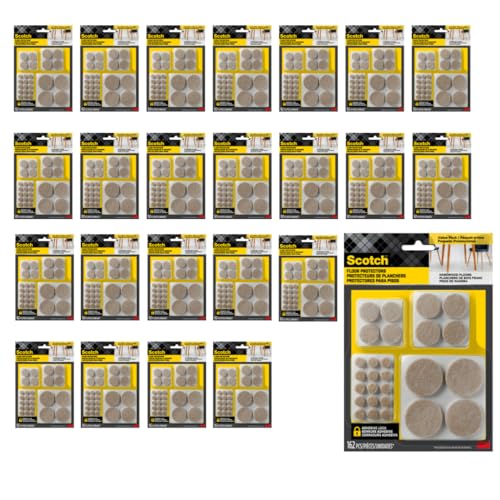
Using felt pads on the legs of seating and tables is an immediate and straightforward solution. These small, adhesive-backed discs reduce friction, keeping items securely in place while protecting the surface underneath.
Consider rubber gripper mats placed under larger pieces. These mats excel at creating traction, ensuring that even the heaviest items remain stationary. Simply cut the mat to size for a perfect fit, enhancing both stability and safety.
Adjustable leveling pads offer another innovative option for those dealing with uneven surfaces. By increasing the height of specific legs, it’s possible to achieve a balanced setup, mitigating unwanted movement while providing additional height where needed.
Frequent rearrangements can be managed with non-slip spray coatings. This product adds an extra layer of grip directly to the base of each item, maintaining position even during light shifting. It’s easily applicable and dries clear for a seamless look.
Methods to Prevent Movement of Items on Wooden Surfaces
Rubber pads placed under the legs provide friction, significantly reducing unwanted movement. Ensure these pads are the correct size to fit securely. Adhesive felt strips also create a soft barrier between the legs and the floor, minimizing slippage.


Utilize Weights
Adding weights, such as decorative stones or books, can anchor items in place. These objects should complement the aesthetic while holding down pieces that threaten to shift.
Adjusting Placement
Positioning larger pieces against walls or in corners helps stabilize them and prevents accidental nudges. Strategically arranging items can also enhance overall aesthetics while maintaining stability.
Selecting the Right Furniture Pads
Choosing appropriate cushioned pads significantly reduces movement on slick surfaces. Consider the following options:
- Felt Pads: Soft, non-abrasive material ideal for lightweight items. They provide decent grip and protect the surface underneath.
- Rubber Pads: Excellent for heavier pieces, offering superior traction. These prevent shifting effectively, particularly on polished surfaces.
- Silicone Pads: Versatile and durable, silicone options maintain a firm hold while also being easy to clean. They resist wear, maintaining their efficacy over time.
- Self-Adhesive Options: For a seamless look, opt for adhesive pads. Ensure the adhesive is strong enough to endure regular movement.
Pad Size and Shape
Measure the legs or base of each item. Larger pads distribute weight evenly, enhancing stability. Shapes like round or square should match the leg design for optimal contact.
Installation Tips
- Clean the surfaces thoroughly before applying any pads to ensure a strong bond.
- Press firmly for several seconds after placement to ensure adhesion.
- Regularly inspect the pads for wear and replace them as needed to maintain effectiveness.
Using Non-Slip Rugs to Anchor Furniture
Opt for non-slip rugs that feature a textured underside. These specialized designs grip surfaces effectively, preventing movement. Consider materials like rubber or specialized polyvinyl that enhance traction.
Choose rugs that match the size of the area covered by the items you wish to secure. A rug that is too small may not provide sufficient stability, while one that is too large can create visual clutter.
Placement plays a significant role; ensure the entire base of the legs of your pieces is resting on the rug. This creates a unified visual appearance and minimizes the risk of displacement during daily use.
Regular maintenance is key. Check for dirt buildup or wear on the rug’s underside, as these can reduce grip. Clean the rug according to the manufacturer’s instructions to maintain its effectiveness.
In settings with heavy traffic, opt for thicker, more durable options. These rugs withstand wear and tear while still providing secure footing. For additional security, pair the rug with rug grippers or double-sided tape in the corners for extra friction.
Lastly, find colors and patterns that complement the existing decor. This not only enhances aesthetic appeal but also ensures that the rug serves its practical purpose without detracting from the overall design.
Adjusting Furniture Leg Designs for Stability
Create a stable base by modifying leg shapes. Use wider or squared designs to distribute weight more evenly across surfaces. This design minimizes movement while offering better support.
Materials Matter
Select materials that provide traction. Rubberized or silicone caps can significantly enhance grip. These materials increase resistance against unwanted shifts and can be easily attached to existing legs.
Leveling Techniques
- Check for uneven surfaces and adjust legs accordingly.
- Add furniture leveling pads to align pieces properly.
- Inspect joints and fix any loose connections to enhance overall stability.
Regularly assess stability as part of routine maintenance. Address any wobbling or shifting immediately to prolong longevity and functionality.
Applying Adhesive Strips for Extra Grip
To minimize movement, I recommend using adhesive strips designed specifically for this purpose. These strips usually have a strong rubber or foam side that adheres to the legs of the items, providing a non-slip effect against surfaces. They are easy to apply; just cut the strips to the desired length and stick them on the underside of each leg.
Placement Techniques
For optimal results, I place the strips near the edges of the legs, where contact with the ground is most significant. Ensuring they cover a larger surface area increases grip and stability. Testing the placement before finalizing can help identify the best positioning.
Maintenance and Replacement
Monitoring the condition of adhesive strips is important. Over time, they may lose stickiness or degrade. I check them regularly and replace them as needed to maintain effectiveness. Keeping surfaces clean ensures that the adhesive retains its grip, so I also wipe them down occasionally.
Regular Maintenance Tips for Hardwood Surfaces
Wipe spills immediately using a soft, dry cloth to prevent moisture damage. Maintain a consistent humidity level of 30-50% to protect the wood from warping. Regular sweeping or vacuuming removes dust and grit, minimizing scratches. Consider using brushes with soft bristles or vacuum attachments designed for hard surfaces.
Periodic Deep Cleaning
Once every few months, use a pH-balanced cleaner specifically formulated for wood. Avoid soap-based products, as they can leave a residue. Apply the solution with a damp mop, ensuring excess water is wrung out to prevent soaking. Follow with another dry mop to eliminate any lingering moisture.
Protective Measures
Place felt pads under heavy items to prevent indentations. Inspect these pads regularly, replacing them if worn down. Consider utilizing area rugs in high-traffic regions to add an extra layer of protection against wear and tear. A routine check for any signs of deterioration or misalignment can prevent costly repairs later.
Creative Solutions for Heavy Furniture Pieces
Consider using furniture coasters with locking mechanisms. These provide stability and prevent any unwanted movement. Look for models designed specifically for heavy items; they often come with additional grip to enhance performance.
An innovative approach is to attach rubber pads directly to the base of heavy pieces. These pads offer excellent friction and can be cut to size, making them adaptable for various leg designs and shapes.
Incorporating a wall anchor system can be beneficial. For larger, heavier items, securing them to the wall using brackets can not only restrict movement but also enhance safety.
Magnetic holders can also serve as an inventive solution. They can be mounted to both the piece and the surface underneath to provide a strong hold without damaging either surface.
Consider utilizing weighted bases or stabilizing jacks, especially for items like bookshelves or cabinets. These can distribute weight evenly and prevent shifting over time.
A unique method is to create a frame around the piece using wood or other materials. This frame can act as a barrier, preventing movement and providing a tailored fit.
Finally, concave or U-shaped furniture leg designs can be advantageous. These shapes inherently provide more stability and do not slide as easily on smooth surfaces.
| Solution | Description |
|---|---|
| Coasters with Locking Mechanisms | Provide strong support and prevent movement. |
| Rubber Pads | Enhance friction and customizable to leg dimensions. |
| Wall Anchor System | Secure item to wall for added stability. |
| Magnetic Holders | Strong hold between surfaces without damage. |
| Weighted Bases | Distribute weight evenly for stability. |
| Frame Barrier | Prevents movement through tailored frames. |
| Concave Leg Design | Inherent stability and reduced sliding. |
FAQ:
What are some effective methods to prevent furniture from sliding on hardwood floors?
There are several methods to keep your furniture in place on hardwood floors. First, consider using furniture pads or sliders, which can be placed under the legs of the furniture to create friction. Second, non-slip rug pads can be used if your furniture is sitting on a rug, adding stability. Third, double-sided tape can be applied to the bottom of furniture legs for a more temporary grip while not causing damage to the floor. Lastly, certain adhesive mats designed for this purpose can be effective, ensuring your furniture stays put without scratching the floor.
Can I use regular tape to stop furniture from sliding, or do I need specific products?
While regular tape can provide some grip, it may not be ideal for long-term use as it can leave residue and may not hold up well over time. It’s recommended to use products specifically designed for this purpose, like double-sided carpet tape or specialized adhesive pads. These options are designed to create a stronger bond, ensuring your furniture stays securely in place without damaging the hardwood surface.
Are there any DIY solutions to keep furniture from sliding on hardwood floors?
Yes, there are several DIY solutions you can try. One method involves cutting small squares of rubber or felt material and attaching them to the bottom of furniture legs. This can add friction and grip. Alternatively, you can use an old rubber door mat, cutting it into strips and placing them under the furniture. Another idea is to create a non-slip surface by mixing a small amount of floor-safe adhesive with some sand, applying it to the bottoms of the furniture legs to enhance grip.
Will using furniture pads damage my hardwood floors?
Most furniture pads are designed to be floor-friendly and should not damage your hardwood floors. However, it’s important to choose high-quality pads that are specifically labeled for hardwood use. Some cheaper options may wear out quickly or can degrade, leaving marks on the floor. Regularly checking and replacing worn pads can help avoid any potential issues. Always test a small area first if you’re uncertain about a specific product’s compatibility with your flooring.