
 Caleb Turner

Using a breathable cover is a straightforward solution for shielding surfaces from airborne allergens. Select materials that are lightweight yet durable, allowing easy removal when needed.
Maintaining cleanliness is crucial. Regularly wipe down the surfaces with a damp cloth to eliminate any accumulating debris. Consider using a mixture of water and mild detergent, which can assist in breaking down allergens and keeping your areas pristine.
Strategically placing barriers like windbreaks or tall plants can minimize the influx of airborne irritants. They serve not only as decorative elements but also as functional shields, creating a more comfortable environment for relaxation.
Installing a dedicated cleaning schedule ensures that surfaces remain clear and inviting. After windy days or pollen-heavy seasons, a thorough check and clean can significantly improve the usability of your outdoor areas.
Strategies to Protect Your Patio Pieces
Utilize breathable covers specifically designed for your items. These covers allow air circulation while preventing airborne particles from settling on surfaces. Ensure they fit snugly to avoid gaps.


Daily maintenance is crucial. I wipe down surfaces with a microfiber cloth. This removes any accumulated debris before it can embed itself, keeping everything looking pristine with minimal effort.
Consider placing your seats and tables in a sheltered area, such as under a porch or awning. This limits exposure to elements that bring unwanted matter.
Regularly inspect the surrounding area for any trees or plants that may contribute to the accumulation. Pruning these back can significantly reduce the amount drifting into your space.
Invest in a handheld blower for quick removal of any residue. This is particularly useful after windy days, allowing for swift clean-ups without excessive scrubbing.
Plan gatherings after rainstorms when most airborne allergens have been washed away. This can make your seating area more enjoyable and cleaner for guests.
Lastly, I find it beneficial to create a schedule for deeper cleaning routines during peak seasons. A thorough wash with mild soap and water can stave off buildup and extend the lifespan of my patio essentials.
Choose Pollen-Resistant Materials for Furniture
I recommend opting for materials that naturally repel airborne particles and allergens. Consider high-density polyethylene (HDPE) for its smooth surface, which discourages accumulation. Additionally, stainless steel provides durability and resistance, preventing any sticky or porous surfaces where debris might settle.
Another excellent choice is aluminum. Lightweight and corrosion-resistant, aluminum doesn’t trap particles and can be easily cleaned. Synthetic wicker or resin furniture also excels in this area due to its non-absorbent nature, making it difficult for allergens to cling to its surface.
Material Comparison
| Material | Properties |
|---|---|
| High-Density Polyethylene (HDPE) | Smooth surface, resistant to mold and mildew, easy to clean |
| Stainless Steel | Durable, does not trap dust, easily wiped clean |
| Aluminum | Lightweight, non-absorbent, corrosion-resistant |
| Synthetic Wicker | Non-absorbent, easy to maintain, visually appealing |
Choosing these resistant materials will significantly reduce maintenance needs while promoting a healthier environment. Remember to regularly clean surfaces regardless of material to prevent any potential build-up. Additionally, using covers during peak allergen seasons can further protect your investment and ensure comfort.
Utilize Furniture Covers During Pollen Season
Investing in high-quality protective covers is an excellent strategy to shield your seating and tables from airborne allergens. These covers act as a barrier, effectively preventing debris from settling on the surfaces. Look for waterproof and UV-resistant options to further enhance durability and protection.
Before applying the covers, ensure that the surfaces are clean and dry. This helps prevent mold and mildew growth. Stretch the covers tightly over the items to eliminate gaps; this minimizes the chances of entry for unwanted particles. Consider using bungee cords or straps to secure them in windy conditions.
During particularly windy days, remove the covers to allow for proper airflow, reducing moisture buildup. After the season concludes, clean and store the covers appropriately to prolong their lifespan. Regularly inspect them for any wear and tear to maintain optimal protection for your outdoor pieces.
Implement Regular Cleaning Routines
Adopting a consistent regimen of cleaning allows for the effective management of allergenic particles accumulating on your outdoor settings. I recommend establishing a weekly cleaning schedule during the high-allergen season.
Here are actionable steps to consider:
- Utilize a soft brush to sweep surfaces, removing loose debris that can trap allergens.
- Employ a damp cloth or microfiber towel for wiping down surfaces. This captures smaller particles without redistributing them.
- Incorporate a mild soap solution for deeper cleans bi-weekly, ensuring no residues remain post-cleaning.
- Regularly check for any stubborn buildup in hidden areas, such as beneath cushions or in crevices.
In addition, consider implementing a quick rinse with a garden hose for particularly windy days. This can swiftly remove excess buildup before it settles.
By focusing on these practices, I consistently maintain a more inviting and clean environment for relaxation and entertainment.
Position Furniture Strategically to Minimize Pollen Exposure
Consider placing seating areas under trees or structures that can provide shade. This location not only enhances comfort but also reduces the likelihood of airborne allergens settling on surfaces.
Proximity to walls or fences can serve as a barrier too, creating a shield that helps deflect drifting spores from the air. Arranging items away from wind corridors–areas where strong breezes frequently pass–also minimizes accumulation.
Utilizing raised decks or patios can effectively decrease direct contact with ground-level allergens. Positioning your items on elevated platforms allows for better airflow, which helps disperse unwanted particles.
Ensure that access paths and landscaping elements, such as bushes or shrubs, do not direct spores toward your settings. Regularly pruning greenery can also reduce the amount of debris close to your relaxation areas.
By thoughtfully choosing locations for your outside resting areas, I have found that I can significantly reduce the need for constant maintenance and savor time spent alfresco.
Incorporate Outdoor Air Purifiers
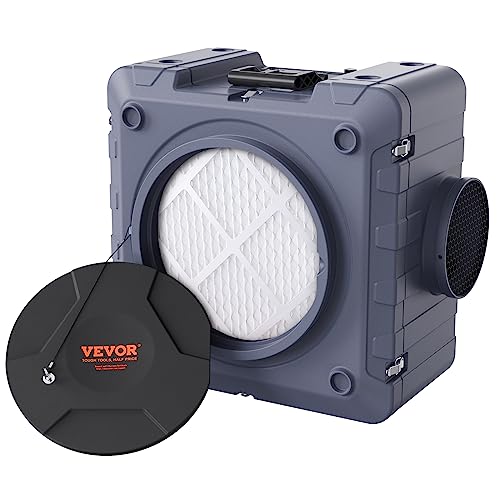
I recommend investing in outdoor air purifiers that can significantly enhance the quality of the air around your seating areas. Look for models specifically designed for external use, often featuring weather-resistant housings and high-efficiency particulate air (HEPA) filters. These devices can effectively capture airborne particles, including allergens, ensuring a more comfortable environment.
Consider units equipped with UV light technology, as they can further reduce contaminants. Strategically place these purifiers close to your lounging spots to maximize their effectiveness. Regular maintenance and filter replacements are necessary to maintain optimal performance. With the right appliances, you’ll notice a marked improvement in air clarity, making it a more enjoyable space to relax.
Select Purifiers with Smart Technology
Opt for models with smart technology that allows remote control via smartphone apps. This feature enables me to monitor air quality in real-time and adjust settings based on pollen counts or other environmental factors. Some smart purifiers even provide notifications for filter changes, ensuring I always have a high-performing unit. This level of control greatly enhances comfort during peak allergy seasons.
Combine with Natural Solutions
Pairing purifiers with natural solutions like strategically placed plants can further improve air quality. Certain plants, such as spider plants and peace lilies, help filter out toxins and may assist in maintaining a fresher atmosphere. Creating a balanced setup of technology and greenery offers a comprehensive approach to ensuring a pleasant outdoor experience.
Limit Outdoor Activities During High Pollen Days
Checking local forecasts for pollen counts has become a habit. I avoid outdoor ventures on days where levels spike. Morning hours often present higher concentrations, so staying inside during this time helps reduce encounters with allergens. If I must be outside, I schedule short activities and return quickly indoors.
Planning gatherings or events in the backyard is another careful consideration. It’s wise to coordinate such activities for days with lower counts to enhance comfort for everyone involved. On those high pollen days, I suggest moving gatherings indoors, ensuring a pleasant experience without the irritating effects of airborne allergens.
Keeping windows closed during peak times allows for better indoor air quality, as it prevents allergens from seeping in. Airing out spaces during low pollen periods is more effective than struggling against high counts. Tracking local weather updates helps me decide on suitable times to engage in fresh air activities.
Limiting outdoor chores such as gardening or lawn care during peaks significantly cuts down on exposure. If yard work is unavoidable, I do it in the early evening, when levels tend to drop. Utilizing a mask also acts as a barrier, providing additional protection from airborne irritants.
By being proactive and mindful about scheduling outdoor activities, the impact of allergens on my living space is greatly minimized. I make these small adjustments to create a more enjoyable and comfortable environment for myself and visitors.
Plant Pollen-Reducing Landscaping Around Furniture
Incorporating specific plants can significantly minimize allergic triggers in my outdoor space. I prioritize choosing flora that produces minimal airborne triggers and heightens visual appeal.
Select Low-Pollen Plant Varieties
- Opt for flowering plants like daisies or begonias instead of high-pollen options like ragweed.
- Consider shrubs such as boxwood or holly, which release very few airborne grains.
- Integrate evergreen trees, like pines, which have a lower pollen count compared to deciduous varieties.
Utilize Ground Cover
- Ground cover plants, like creeping thyme or clover, help reduce soil exposure and minimize allergens.
- Incorporating mulch not only adds aesthetic value but also decreases the number of airborne particles by covering bare soil.
- Using low-growing plants limits the height from which allergens can disperse.
By making these plant selections, I create a serene environment while reducing the impact of airborne irritants in the vicinity of my relaxing space. Regular maintenance, such as pruning and cleaning, can further ensure the area remains inviting and comfortable.
Monitor Pollen Forecasts for Better Planning
I rely on reliable sources for pollen counts such as local weather stations or specialized apps. Daily checks help me align outdoor usage with expected levels, reducing frustrating clean-up chores. I pinpoint peak flowering times for specific plants in my area to anticipate higher concentrations.
By reviewing forecasts regularly, I tidy up my space before spikes occur, keeping it ready for use. During high counts, I’ve adopted the habit of moving activities indoors, sidestepping unnecessary exposure. Setting notifications for pollen alerts has become part of my routine, enabling proactive measures.
The advantage of this approach is that I can enjoy my surroundings without the hassle of constant dusting or washing down surfaces. Staying informed ultimately aids in smarter planning and maximizes enjoyment during favorable conditions.


