
 Caleb Turner

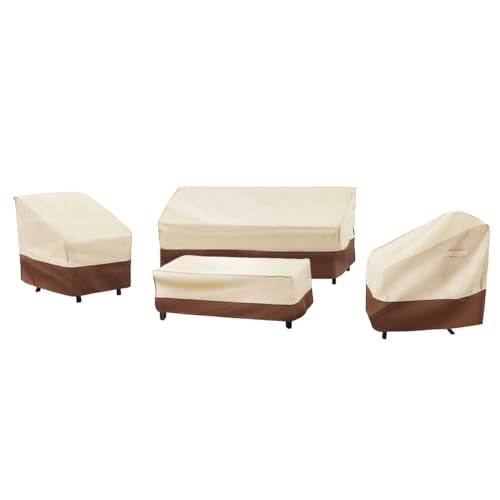
Regularly covering outdoor seating with durable tarps or specially designed furniture covers can significantly deter curious animals. Opt for materials with secure fastenings to prevent lifting and ensure they stay in place during windy conditions.
Employing scents that animals typically avoid, such as citrus or vinegar, can discourage visits. Spraying these substances around the perimeter of your outdoor area creates an unpleasant experience for any intruders without harming them, allowing you to enjoy your space peacefully.
Strategically placing motion-activated lights or sound devices can effectively startle any intruders. These devices create an unexpected environment that furry creatures generally find unsettling, prompting them to seek quieter areas.

A routine cleaning regimen is essential. Maintaining a clean outdoor area by promptly removing food remnants, pet supplies, or any attractants minimizes interest from wildlife looking for a meal. This simple practice goes a long way in protecting your outdoor seating.
Additionally, installing barriers such as fences or netting can serve as a physical deterrent. Ensure that these barriers extend underground to prevent burrowing, which may compromise their effectiveness.
By integrating these proactive measures, I’ve noticed a considerable decline in unwanted visits, allowing me to relax and enjoy my outdoor space without concern. These approaches can be tailored to fit any outdoor environment, promoting a serene experience free from unwanted company.
Identifying Signs of Raccoon Presence
Observe your area for key indicators that may suggest the activity of these creatures. Look for overturned pots or scattered items on your deck, which could indicate rummaging through belongings.
Physical Evidence
- Tracks: Check for distinctive footprints in soft surfaces like soil or mud, typically around 2-4 inches long with visible toes and paw pads.
- Scat: Droppings can leave clues. Raccoon droppings often contain seeds, fur, or small bones.
Sound Indicators
- Nocturnal Noises: Be attentive to rustling or scratching sounds during the night, which may reveal their presence.
- Chirps and Growls: Vocalizations can indicate an active family nearby.
Regularly inspect your surroundings, especially after nightfall. Noticing these signs early can assist in determining appropriate strategies for maintaining a peaceful outdoor space.
Choosing raccoon-resistant furniture materials
Selecting appropriate materials plays a significant role in deterring unwanted visitors. I recommend opting for metal frames such as aluminum or steel, as these materials are sturdy and do not provide easy access for wildlife. Wood can be attractive but is often susceptible to gnawing. If you prefer wood, choose dense hardwoods like teak or mahogany that are harder to damage.
Plastic composites offer another excellent alternative. They combine the appeal of traditional substances with durability and resistance to wear and tear. Look for high-density polyethylene (HDPE) which is less likely to attract attention from critters. For cushions, utilize fabrics that are tightly woven and treated to resist moisture, so they retain less odor and do not attract scavengers.
Consider furniture that includes sealed compartments or storage capabilities to keep smaller items out of sight. Additionally, avoid cushions with soft, easily chewable materials like foam, as they may encourage gnawing. Instead, look for upholstery with strong thread and reinforced seams.
Finally, ensure that your selections do not have loose parts or accessories, as these can easily be removed and may entice animals. By focusing on durable materials and thoughtful design, I can significantly reduce the likelihood of attracting any unwelcome guests to my outdoor seating areas.
Implementing Physical Barriers to Deter Raccoons
Establishing a strong fence around the area is vital. Opt for a sturdy structure at least four feet high, with the bottom buried a foot underground to prevent digging. A slanted top can further discourage climbing.
Consider utilizing motion-activated sprinklers. These devices detect movement and release a burst of water, startling intruders and encouraging them to leave.
Incorporating netting or wire mesh can also serve as an effective measure. Covering items with a fine mesh can prevent access while still allowing air circulation. Ensure that the mesh has no gaps larger than ¼ inch, as small animals can squeeze through surprising openings.
Storage options like sealed bins or waterproof containers help protect any food or loose items. Keeping these sealed not only deters scavengers but also reduces temptations that may attract wildlife in the first place.
If feasible, create an enclosed structure for outdoor items. A shed or storage box with a locking mechanism adds an extra layer of protection.
Consider the placement of these barriers strategically. Placing planters, seating areas, or furniture far from potential access points can reduce opportunities for wildlife to explore.
Utilizing scents and repellents to keep unwanted visitors away
I recommend using scents that animals dislike. For instance, applying citrus peels, such as oranges or lemons, around the area can deter intruders. The strong smell is often unappealing to them.
Commercial repellents are another option. Look for products that contain ingredients like predator urine or capsaicin. These substances create an environment that feels unsafe, prompting creatures to stay clear.
Creating a spray with vinegar mixed with water is simple and proven effective. The pungent aroma serves as a natural barrier, discouraging them from approaching closer.
Additionally, crushed garlic and cayenne pepper can be sprinkled around the vicinity; these natural deterrents effectively repel intruders without harming them.
Regularly refreshing these scents, especially after rain or heavy winds, is important to maintain their effectiveness and ensure continued deterrence.
Maintaining a Clean Outdoor Environment
Regularly cleaning outdoor areas is vital. I sweep away leaves and debris that can attract wildlife, as this reduces potential habitats. Keeping food items inaccessible and securely stored is crucial; I make sure to promptly clean any spills and avoid leaving pet food outside.
Utilizing trash cans with tight-fitting lids prevents scavenging. I also compost responsibly, ensuring that no strong-smelling waste is left exposed. Periodic deep cleaning of all outdoor items helps eliminate scents that might lure critters.
Utilizing a vacuum can be beneficial for patios and decks. I pay attention to corners and under furniture where food particles might accumulate. After heavy rain, I inspect these areas to ensure they remain dry, as damp environments can attract various animals.
Setting up a routine maintenance schedule, I dedicate time each week to tidy up spaces and inspect for signs of intrusion. This consistent upkeep proves crucial in creating an unwelcoming atmosphere for unwanted guests.
Monitoring and Adapting Strategies Over Time
Regular observation of the outdoor space is fundamental. I keep a journal documenting any signs of wildlife activity, noting dates and behaviors. This allows me to recognize patterns, such as specific times of year or conditions that lead to increased visits.
Evaluate Deterrents Regularly
Periodically assessing the effectiveness of existing methods is crucial. If a particular scent or physical barrier proves inadequate over time, I switch to alternative options. I use rotation approaches with repellents, changing the scents or moving barriers to maintain effectiveness.
Feedback Loop for Continuous Improvement
Engaging friends or family members for their observations offers different perspectives. They might notice things I overlook. After implementing changes, I discuss the outcomes to understand what works best in my specific situation.
| Strategy | Initial Effectiveness | Current Effectiveness | Next Steps |
|---|---|---|---|
| Scent-based Repellents | High | Moderate | Try different scents |
| Physical Barriers | Moderate | Low | Upgrade to stronger materials |
| Regular Cleaning | High | High | Maintain consistency |
Keeping track of results empowers me to adapt and enhance my strategies effectively, ensuring my outdoor area remains inviting for myself, not unexpected visitors.


