Caleb Turner
To ensure a spotless atmosphere, opting for slipcovers or washable fabrics is a practical choice. This allows for easy removal and cleaning whenever needed, providing a safeguard against fur and stains. Choosing darker colors can also minimize the visibility of pet hair.
Regular grooming of your furry companions plays a significant role in maintaining order at home. Brushing them frequently reduces shedding and limits the amount of hair that ends up on surfaces. It’s a simple yet effective routine that contributes greatly to cleanliness.
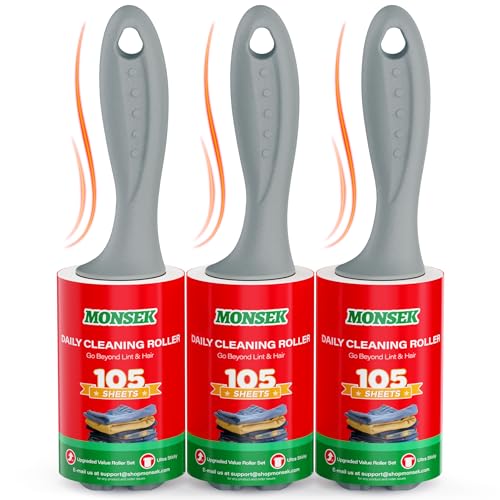
Utilizing lint rollers or adhesive sheets can swiftly eliminate hair from various surfaces. Keeping one nearby makes tackling accumulation effortless and quick. Additionally, a vacuum equipped with a pet hair attachment can keep upholstered pieces in excellent condition.
Designating specific areas for your animal friends can also help maintain an organized space. Providing comfortable beds or blankets for them encourages them to stay in those spots, keeping them off your cherished items. Having a clear space for them can lead to a neater environment.
Incorporating regular cleaning routines is key. Setting aside specific times each week for a thorough clean can help manage any buildup. Simple habits, such as wiping down surfaces and vacuuming frequently, pave the way for a more enjoyable home atmosphere.


Guidelines for Maintaining Upholstery and Surfaces Amidst Animal Companions
Investing in slipcovers offers a practical solution. These removable layers protect upholstery from scratches and stains, easily washed or replaced as needed.
Regular Grooming
Establish a grooming routine for your animal. Brushing fur frequently reduces shedding and minimizes hair accumulation on surfaces.
Choose the Right Materials
Select materials that resist dirt and stains, such as microfiber or synthetic fibers. These options typically repel moisture better than natural textiles, making cleaning simpler.
Choosing Pet-Friendly Fabrics for Your Furniture
Opt for materials that resist stains and odors. Microfiber is a fantastic choice due to its durability and ease of maintenance. It’s dense, making it difficult for pet hair to cling, and it can be wiped clean with a damp cloth.
Consider synthetic fabrics such as polyester or nylon, which stand up well to scratches and are less likely to absorb odors. Natural fibers like cotton or linen may be comfortable but can absorb spills and odors more readily.
Stain-Resistant Treatments
Look for furniture covered with fabrics treated for stain resistance. Fabrics with this treatment repel liquids, making it easier to clean accidental spills. Brands often label items with these enhanced properties, allowing for easy identification.
Color and Pattern Choices
Choose darker colors or busy patterns to disguise stains and hair. Light colors show dirt quickly, while bold designs can act as camouflage, maintaining an appealing look for a longer time.
Daily Cleaning Routines to Minimize Pet Hair
Incorporating a few straightforward practices into my everyday schedule can dramatically reduce the presence of fur around my living space. I begin each morning by using a vacuum equipped with a pet hair attachment, covering high-traffic areas like the living room and hallway.
Regular Surface Wiping
Next, I keep a microfiber cloth handy for quick surface wipes. These cloths effectively trap stray strands without dispersing them into the air. Daily attention to sofas, chairs, and shelves ensures that I maintain a fur-free environment.
Strategic Furniture Placement
Strategically positioning throw blankets on my seating enables me to quickly gather shed hair. By designating these textiles to certain areas, I minimize the overall mess and make cleaning a breeze. Regularly washing these blankets also prevents buildup, keeping my space tidy.
Implementing these daily techniques creates a more pleasurable atmosphere and significantly decreases the amount of fur lingering around. Adopting small habits leads to a more inviting and welcoming home, benefiting both my furry friends and myself.
Best Tools for Removing Pet Stains from Upholstery
For tackling stubborn stains, I rely on a combination of specific tools that deliver results without damaging the fabric. Here’s a detailed list of what I find indispensable:
| Tool | Use | Recommendation |
|---|---|---|
| Enzymatic Cleaner | Breaks down organic stains | A 32 oz bottle for spots and odors |
| Steam Cleaner | Deep cleans and sanitizes | Choose a portable model for mobility |
| Microfiber Cloth | Gentle blotting | Opt for a pack of multiple colors |
| Pet Hair Remover | Collects hair efficiently | Silicone-based tools work best |
| Stain Brush | Scrubs without damaging | A soft-bristle option is preferred |
| Wet Vac | Absorbs liquid spills | A compact, portable model is ideal |
Utilizing these tools has transformed my approach to maintaining my home’s interior. Regular application not only mitigates odors but also preserves the aesthetic of the upholstery. Remember to test any product in a hidden area before full application to ensure compatibility with the material.
Tips for Preventing Scratches on Wooden Furniture
Place rugs or mats in high-traffic areas to provide a protective barrier between the floor and any sharp claws. Choose materials that are durable and easy to clean.
Regularly trim the nails of your furry companions to minimize the risk of scratches. A simple routine can make a noticeable difference.
Consider using felt pads on the bottoms of furniture legs to reduce friction when moving items. These pads are inexpensive yet very effective.
Apply a protective finish to surfaces that are prone to damage. This extra layer can significantly reduce scratch visibility and prolong the life of your wood.
Be mindful of how items are placed on surfaces; avoid dragging objects across wood. Lifting them instead can prevent unnecessary scratches.
Designate specific play areas for your animals to minimize their access to delicate surfaces. Keeping toys and scratching posts nearby can divert their attention.
Establish training routines to discourage jumping on furniture, which can lead to unwanted scratches. Reward positive behavior to reinforce this approach.
Maintaining Leather Seating with Animal Companions
Regular wiping with a soft, damp cloth helps remove dirt and hair. For deeper cleaning, use a leather conditioner specifically designed for upholstery, applying it every three to six months to maintain suppleness.
Before applying any product, test it on a small, inconspicuous area to check for discoloration or damage. This keeps surfaces looking their best while ensuring longevity.
Protect against scratches by trimming your animal’s claws regularly. Additionally, place soft throw blankets or covers on frequently used areas to provide a barrier against wear while being easy to clean.
For accidents, immediately blot spills with a soft cloth, avoiding rubbing, which can spread the liquid. Use a mixture of mild soap and water for stubborn spots, but ensure the leather dries naturally afterward, avoiding direct sunlight or heat sources during drying.
Investing in a leather protector spray can repel stains and moisture, enhancing durability. Reapplying this treatment periodically can greatly extend the lifespan of your seating.
Creating a Designated Pet Area to Protect Your Furniture
Establish a specific zone for your furry friend within your home. This space should feature comfortable bedding, toys, and suitable surfaces, encouraging them to relax away from valuable items.
Key Elements for Your Pet Area
- Choose a location away from high-traffic zones to minimize disturbances.
- Provide durable bedding that withstands wear and tear, making cleanup simple.
- Incorporate interactive toys to keep your pet engaged and distracted from household items.
- Add pet-friendly decor, such as blankets or throw rugs, that can be easily washed or replaced.
Encouraging Usage of the Designated Area
- Use positive reinforcement, such as treats, to guide your pet to their space regularly.
- Place their favorite toys or a stimulating puzzle in this area to attract their attention.
- Be consistent in redirecting them if they attempt to access unauthorized areas.
Over time, your pet will learn that their special zone is the place for rest and play, resulting in less wear on your household items and a more harmonious living environment.
Regular Deep Cleaning Techniques for Surfaces
To maintain a fresh environment, I opt for a deep cleaning routine at least once a month. Firstly, I vacuum using a nozzle attachment to reach crevices and eliminate hair and dirt effectively.
Steam Cleaning
Employing a steam cleaner on upholstery and carpets removes embedded stains and allergens. I apply this technique according to the fabric type, ensuring to follow manufacturer guidelines to prevent damage.
Homemade Cleaners
I often create a mixture using equal parts of water and white vinegar. This solution works wonders for disinfecting surfaces and removing odors. After application, I wipe down the area with a clean cloth to avoid residue.
For wooden surfaces, I mix olive oil and vinegar in a spray bottle, applying it lightly for conditioning while removing grime simultaneously. This method not only cleans but enhances the wood’s natural sheen.
To tackle stains on fabrics, I utilize baking soda. Sprinkling it over the affected area, allowing it to sit for fifteen minutes before vacuuming, helps lift stains efficiently.
Routine rotation of cushions and the use of slipcovers can simplify the cleaning process, making it easier to manage wear and maintain freshness. Regularly changing slipcovers also extends the life of various materials, keeping them looking new.