
 Caleb Turner

One effective approach is using citrus scents. Spraying a mixture of water and lemon or orange juice on areas where your furry friends tend to lounge can create an unpleasant experience for them. Most felines are repelled by these fragrances, allowing you to maintain your living spaces without additional hassle.
Providing your companion with alternatives is fundamental. Cat trees or dedicated scratching posts offer designated areas for climbing and relaxing. Positioning these items near the spots they typically choose can redirect their attention and encourage them to use these specific structures instead of your belongings.
Another strategy involves incorporating double-sided tape on surfaces. The sticky texture is unappealing to pets and can discourage them from jumping onto those areas. It’s a simple, low-cost tactic that can effectively change their behavior while keeping your possessions intact.


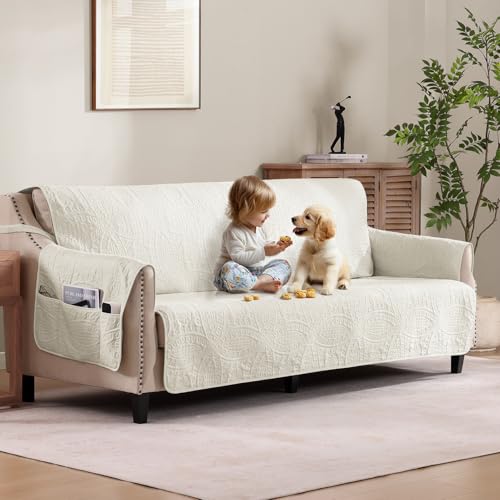
Regularly rewarding positive behavior reinforces the right choices. Treats or affection when they choose their own spaces can promote a more desirable habit over time. Positive reinforcement can significantly alter their inclination to seek out forbidden areas.
Methods to Deter Pets from Sitting on Surfaces
Using citrus scents is an efficient way to discourage your furry friend from relaxing on various surfaces. Spritz some diluted lemon or orange juice on the areas you want to protect. Most animals dislike these smells, making them a handy repellent.
Creating Alternatives
Providing appealing alternatives can redirect attention away from your prized possessions. Consider these options:
- Set up a cozy pet bed in a quiet corner.
- Utilize scratching posts for climbing and playing.
- Include toys filled with catnip in their designated areas.
Texture Modification
Altering the textures of your seating can prevent interest. Covering surfaces with materials that feel unappealing, such as double-sided tape, aluminum foil, or a plastic mat, can dissuade them from getting comfortable.
Additionally, placing mats with textures that are uncomfortable for them on your seats can further reduce their inclination to lounge there.
Understanding Cat Behavior and Furniture Preference
Observing your feline’s habits can reveal why they choose specific resting spots. Cats enjoy heights and soft surfaces, often gravitating towards elevated locations for a sense of security and control. Providing alternatives, such as cat trees or cozy perches, may redirect their attention and satisfy their need for elevation.
Texture plays a significant role in their choices. Many enjoy soft fabrics, which replicate the comfort of their natural sleeping areas. Consider outfitting designated lounging areas with plush blankets or cushions to appeal to their preference for cozy materials. This might help lure them away from sofas and chairs.
The scent is another influential factor. Cats are guided by their sense of smell, which stimulates their instincts. Using feline-safe sprays or natural repellents with citrus or vinegar may deter them from unwanted places. Meanwhile, introducing new scents to their approved spaces, like catnip or valerian, can make these areas more enticing.
Routine is crucial. A stable schedule for play and rest can influence where they seek comfort. Engaging them with interactive toys or regular playtime may reduce their desire to claim other surfaces in the home. Creating a structure can help manage their behavior effectively.
Lastly, companionship matters. Multicat households often see competition for prime resting spots. Ensuring each cat has their own space can mitigate territorial disputes, encouraging them to find solace in designated areas rather than on shared items.
Creating Designated Cat Areas for Climbing and Sleeping
Establishing specific zones for your feline’s activities significantly encourages them to utilize these spaces rather than seeking comfort on your belongings. Consider adding vertical elements, such as cat trees or shelves, to provide engaging climbing opportunities.
Choosing the Right Location
- Place climbing structures near windows to stimulate curiosity and observation of the outside world.
- Designate quiet corners of the house for cozy napping spots, ensuring minimal disturbances.
- Avoid high-traffic areas that may cause stress or safety concerns while they explore or rest.
Encouraging Usage of Designated Spaces
- Use soft bedding or blankets in sleeping areas to create a welcoming environment.
- Incorporate scratching posts adjacent to climbing structures to promote appropriate behavior.
- Reward exploration and lounging in specified zones with treats or praise to reinforce positive associations.
- Utilize toys that can be easily attached to climbing surfaces, piquing your pet’s interest.
By intentionally designing these areas, fostering exploration, and ensuring comfort, your companion becomes more inclined to enjoy their surroundings rather than your household items.
Using Natural Deterrents: Scents Cats Dislike
To effectively discourage unwanted access, employ scents that are unappealing. Citrus is a strong choice; the smell of oranges, lemons, and limes can repel. You can create a simple spray using citrus peels mixed with water. Let the mixture steep and then spritz it on surfaces where you don’t want your feline to venture.
Other Off-Putting Aromas
Vinegar is another potent option. The sharp smell can deter from areas you want to protect. Mixing equal parts of vinegar and water will create a natural repellent. Apply it on the desired spots to help minimize their allure.
Essential oils can also be effective, although use caution as some may be harmful to pets. Scents like lavender and rosemary are generally disliked. Dilute them with a carrier oil before applying. Be sure to test on a small area to avoid damage.
Application Tips
Regular reapplication is key, particularly for sprays, as scents dissipate over time. Experiment to find the most effective mix for your situation, adjusting the concentration based on the results observed. Keeping these scents around spaces that are meant for them can help redirect their interest away.
Implementing Furniture Covers and Physical Barriers
Utilizing covers and barriers offers a straightforward approach to deterring access to specific areas. Investing in slipcovers made from materials that are unpleasant for paws, like those with a coarse texture, can discourage your furry friend from lounging where they shouldn’t.
Choosing Appropriate Covers
Select durable, washable materials for your slipcovers. Options like denim or canvas not only provide resistance against wear but also make unauthorized lounging less appealing. It’s advisable to pick dark colors or patterns that can mask potential scratches.
Effective Use of Barriers
Physical barriers can be implemented using furniture that is less accessible. Strategically placing items such as ottomans or decorative screens can create obstacles. Another option is to use double-sided tape on surfaces, as most felines dislike the sticky sensation on their paws.
| Type of Cover/Barrier | Effectiveness | Recommended Material |
|---|---|---|
| Slipcovers | High | Denim, Canvas |
| Physical Barriers | Medium | Decorative Screens, Ottomans |
| Double-Sided Tape | High | Adhesive |
Adapting these techniques will significantly reduce the likelihood of unwanted resting spots on your cherished items while maintaining a comfortable atmosphere for your pet. Selecting the right combination can lead to a more harmonious living space.
Training Techniques: Reinforcing Positive Behavior
The use of treats can enhance desirable habits. Whenever I catch my feline companion interacting with designated spaces, I reward them with a small, tasty treat immediately. This helps create a positive association with specific areas that I want them to utilize.
Consistency in commands plays a key role as well. I always use specific words or cues, such as “off” or “down,” every time I wish to redirect my pet. Repeating these phrases reinforces recognition and understanding, making it easier for them to comply over time.
Redirecting attention is another helpful strategy. I utilize toys or interactive playtime to divert their focus away from areas I want to protect. Engaging them with a feather wand or laser pointer can shift their energy positively toward suitable spots for climbing and play.
Setting up a clicker system can also be beneficial. When I hear the click sound following a good behavior, it signals to my pet that they did something right. Following this with a treat reinforces the connection between the sound and positive actions.
Routine and structure aid my training efforts as well. I maintain a consistent schedule for playtime and feeding, which helps establish patterns. Over time, these routines guide them to where they are expected to be and emphasize their own safe zones.
Providing Alternative Scratching Posts and Cat Trees
Investing in high-quality scratching posts and cat trees significantly reduces the temptation for your feline friend to use household items as their personal scratching space. Select models that offer various textures such as carpet, sisal, or wood. These materials encourage natural scratching behaviors while appealing to your pet’s instincts.
Types of Scratching Structures
Consider the following categories when choosing scratching solutions:
| Type | Features |
|---|---|
| Vertical Posts | Great for climbing, often made from sturdy materials. Ideal for stretching and sharpening claws. |
| Horizontal Scratchers | Perfect for cats that prefer scratching flat surfaces. Easy to move around the house. |
| Cat Trees | Multi-level structures provide climbing opportunities and resting spots. Often include scratching areas. |
| Combination Units | Combine scratching posts and climbing platforms. Engaging for active play and exploration. |
Placement Considerations
Strategically position scratching posts near preferred resting areas or where your pet typically scratches. Experiment with locations, as some pets may like to scratch after waking up or when playing. Regularly rotate and change locations to keep their interest alive.
Encourage use by incorporating treats or catnip around the scratching areas. If they start using these designated spots, reinforce the behavior with praise or additional rewards. Investing time in these practices creates an environment where your furry companion can express their natural instincts without damaging your living space.
Utilizing Tape and Textures to Discourage Climbing
I recommend using double-sided tape, which is particularly effective due to its adhesive properties. Cats tend to dislike the sticky sensation on their paws, leading them to avoid areas where it’s applied. Placing strips on surfaces you want to protect can serve as a simple deterrent.
Another useful approach involves introducing textures that are unappealing to felines. Products like anti-climbing mats, which have a prickly surface, can be strategically positioned. These surfaces create discomfort, steering pets away from certain zones.
Consider using foil or plastic wrap on furniture. Many pets find the noise and feel of these materials unsettling, prompting them to seek more comfortable spots. Experimenting with a combination of these tactics may yield the best results, custom-tailoring the environment to your preferences.
Regularly rotating which surfaces are treated can prevent pets from becoming accustomed to any one deterrent. By maintaining a fresh approach with different textures and materials, I’ve witnessed a noticeable reduction in unwanted behavior.
Maintaining Consistent Boundaries with Your Cat
Establishing clear rules is critical. I use specific phrases or sounds to signal areas that are off-limits. This consistency helps my feline understand where climbing is acceptable.
Positive reinforcement has been effective for me. Each time I redirect my pet to designated spaces, I reward them with treats or affection. Over time, this builds a clear association between desired behavior and positive outcomes.
Regularly observing my pet’s habits gives insight into their preferences. If they seem drawn to certain spots, I ensure those areas are reinforcements for alternate activities. Providing engaging toys nearby diverts their attention from restricted zones.
Creating a predictable routine helps, too. I schedule play sessions and encourage my pet to explore designated climbing areas. This way, they develop a sense of security and familiarity, making them less likely to seek out restricted spots.
Engagement is key. Keeping my cat occupied with puzzle feeders or interactive toys minimizes their interest in forbidden areas. When boredom strikes, undesired behavior often follows.
Regular grooming sessions also support boundary maintenance. This helps me bond with my pet while also reducing their urge to seek attention in inappropriate ways.
Evaluating the Effectiveness of Your Strategies Over Time
Monitor the results of your approaches by observing changes in behavior during specific intervals, such as weekly or bi-weekly. Document any shifts in how often your feline friend approaches the designated areas you’ve protected.
Key Indicators to Assess
- Frequency of Attempts: Count how many times your pet tries to access the restricted spaces within a given timeframe.
- Duration of Time Spent: Note how long your companion stays near the prohibited zones.
- Response to Deterrents: Track reactions to scents, textures, or any barriers you’ve implemented.
Adjusting Strategies Based on Observations
If a particular method appears to be less effective, consider varying your deterrents or enhancing designated areas for play and rest. Evaluate which elements might be more engaging for your pet and adapt your tactics accordingly.
Regular reflection on your methods will help refine your approach, ensuring your techniques remain efficient and your living environment remains comfortable for both you and your companion.


