
 Caleb Turner
For someone just stepping onto the fairway, a club with a loft between 10.5 and 12 degrees is ideal for maximizing distance and forgiveness. This range helps launch the ball high while minimizing sidespin, allowing for a straighter trajectory.
In addition to this, utilizing a 7-iron with a loft around 34 to 36 degrees is beneficial for approach shots. This choice strikes a balance, providing enough lift without sacrificing control. As skills develop, experimenting with different lofts can further tailor performance to individual swing characteristics.


Focusing on these specifications will bolster confidence and enhance the overall experience on the course. Each option encourages consistent ball striking, ensuring fundamentals are prioritized while new players refine their techniques.
Recommended Angles for New Players
For individuals just starting out, I suggest choosing clubs with angles between 10 to 12 degrees for drivers and 24 to 28 degrees for hybrids. This range maximizes distance while ensuring ease of launch and control.
Irons and Wedges
For shorter clubs, opting for 28 to 32 degrees for mid-irons and 50 to 54 degrees for wedges is effective. These specifications foster better accuracy and consistency in shots around the green.
Factors to Consider
- Strength and swing speed can influence the best choice; slower swings benefit from higher angles for easier elevation.
- Height preference is essential; higher angles lift the ball better for various swing styles.
- Course conditions, including turf type and weather, affect flight; adjust angles based on playing environments.
Experimentation is also key. Trying out different angles on the range helps in finding what suits my swing and playing style best.
Understanding Loft: What It Means for Golf Clubs
Each golf club’s angle impacts how the ball travels through the air. Clubs with higher angles will launch the ball higher on impact, while lower angles create a flatter trajectory. For those new to the sport, this knowledge is instrumental in making informed choices about club selection.
Impact on Ball Flight
The angle directly influences distance and accuracy. Clubs with increased angles, such as wedges, are designed for shorter shots, giving better control around the greens. In contrast, drivers possess lower angles, suitable for long-distance hits from the tee. Mastering these differences leads to more consistent performance on the course.
Selecting the Right Clubs
Familiarizing yourself with various angles allows for smarter purchases as skills develop. Intermediate models often offer a blend of both higher and lower angles to accommodate a range of abilities. Seek clubs that complement your personal strengths while addressing areas that need improvement.
Choosing the Right Loft for Your Swing Speed
If you’re trying to find the right angle for your clubs, focus on your swing speed. This directly impacts the impact height and distance of your shots.
Matching Swing Speed with Angles
Generally, those with slower velocities, around 70 mph or less, benefit from higher angles to achieve better launch and distance. Clubs with angles between 10.5° to 12° can optimize trajectory for these players.
- 70 mph and lower: Opt for 10.5° to 12°.
- 71-85 mph: A range of 9.5° to 10.5° is ideal.
- 86-95 mph: Choose 9° to 10° for an effective launch.
- 96 mph and above: Look for 8° to achieve lower spin and better control.
Trial and Adjustment
Testing different angles can yield significant gains. Hitting a few balls with various clubs may help identify which trajectory feels natural and brings the best results. My advice is to consult a pro for personalized fitting. By evaluating your performance with different setups, you’ll discover what works best for your unique swing dynamics.
The Impact of Loft on Ball Trajectory
Ball elevation and distance are significantly influenced by the angle of a clubface. Higher angles typically promote a steeper ascent, allowing the ball to reach greater altitudes and subsequently gain optimal distances. For those learning the basics, it is beneficial to work with clubs that incorporate more angle, as this helps in achieving necessary height and distance without overexertion.
When aiming for maximum efficiency in ball flight, understanding your swing speed is vital. Slower speeds often align better with clubs featuring more angle, leading to an appealing launch and natural distance. Elevation not only affects distance but also influences how the ball reacts upon landing, impacting control and playability around greens.
For individuals working on accuracy, a larger angle can provide better forgiveness on off-center strikes. This characteristic helps in boosting confidence, making practice sessions more productive. Choosing a club with suitable angles can help in mastering the swing in different scenarios, from fairways to roughs.
The trajectory generated can also affect wind resistance; higher shots tend to be more influenced by weather elements. Thus, understanding and testing variations in angles will contribute to enhancing overall performance under varying conditions. A thoughtful selection can lead to remarkable improvements in both accuracy and distance.
Ultimately, evaluating how different angles perform during practice sessions offers insights into your unique requirements. Fine-tuning equipment based on personal performance can result in a more enjoyable and effective golfing experience.
Comparing Standard Loft Options for Beginners
For those just starting, selecting the right specifications for golf clubs can significantly enhance their experience on the course. Standard specifications often offer a solid foundation for new players looking to improve their skills. For woods, a 10.5-12 degrees of incline is generally advisable; this will help in achieving better launch and distance.
Iron Specifications
Irons typically range between 24-30 degrees of incline for the 5-iron to 9-iron set. A 9-iron with 36-38 degrees is also recommended to provide better accuracy and control during your swing. Much depends on individual swing mechanics, but these are established guidelines that cater well to novice needs.
Choosing the Right Wedge
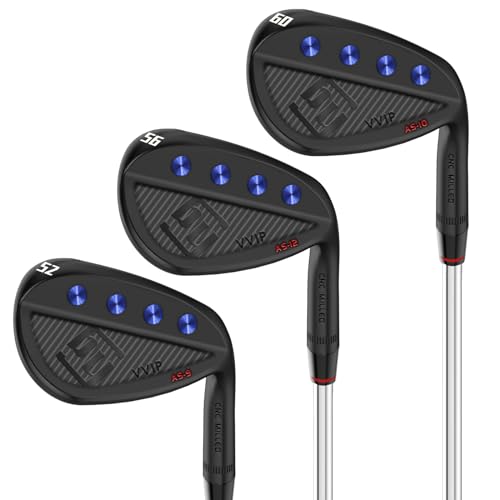
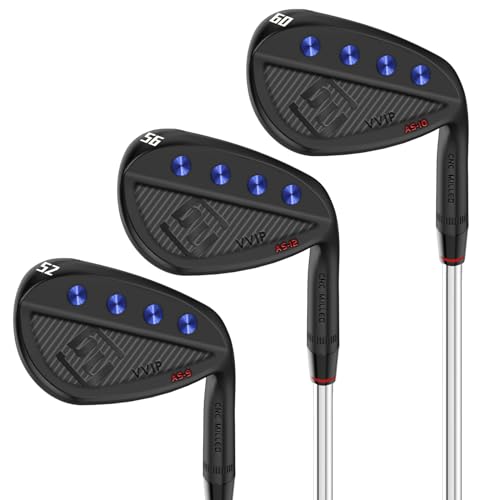
For wedges, anywhere from 52 to 60 degrees is suitable, depending on the player’s comfort around the green. A 56-degree wedge is often termed a ‘sand wedge’ and serves well for various short-game scenarios. This ensures more versatility in chip shots and bunker play.
| Club Type | Recommended Incline (Degrees) |
|---|---|
| Driver | 10.5 – 12 |
| 5-iron | 24 – 26 |
| 9-iron | 36 – 38 |
| Wedge | 52 – 60 |
As I found, understanding these specifications aids not only in selecting equipment but also in optimizing performance, ensuring the best chance for successful shots right from the start. Testing various options can also lead to discovering personal preferences that make the game even more enjoyable.
Adjustable Loft Features: Are They Worth It?
Adjustable features on clubs provide customization that can significantly enhance performance. For those new to the sport, having the ability to tweak angles can aid in developing a consistent swing. When starting out, I found that having the option to modify my club settings allowed me to experiment with different shots, ultimately helping me understand my swing dynamics better.
Each golf club with adjustable settings typically includes a few degree increments that can promote higher launch or a lower trajectory. This flexibility lets players adapt their clubs to various playing conditions or personal preferences. I discovered that my initial trials with different angles resulted in an improvement in my distance and accuracy.
It’s essential to recognize that while this feature offers advantages, it may not be necessary for someone just beginning. New players might benefit more from focusing on basic mechanics and developing a solid foundation before investing in advanced technology. The introduction of adjustable options can be considered once a player’s skill reaches a level where changes in settings can be utilized effectively.
Nonetheless, having adjustable clubs can be a cost-effective choice in the long run. Instead of purchasing multiple sets for different conditions, one versatile driver or iron with adjustable capabilities can adapt to changes in your swing or playing style over time. This adaptability can lead to a more sustainable golfing experience.
In conclusion, while adjustable angles can provide significant benefits, evaluating your personal journey in the sport is crucial. If modifications enhance your confidence and ability to experiment, they can certainly be worthwhile investments as you progress.
How to Test Different Loft Angles on the Course
To effectively assess various angles during a round, I recommend focusing on two specific clubs: the pitching wedge and the 7-iron. These clubs provide a solid range of flight characteristics that can help in understanding performance variations.
While on the course, set up a few shots from the same distance, ideally around 150 yards for the 7-iron and around 120 yards for the pitching wedge. This distance allows me to observe how each club reacts with different angles. After striking the ball, take note of trajectory and distance.
Here’s a simple table to keep track of results:
| Club | Angle | Trajectory | Distance |
|---|---|---|---|
| 7-Iron | 28° | Mid | 150 yards |
| Pitching Wedge | 44° | High | 120 yards |
| 7-Iron | 30° | Mid High | 145 yards |
| Pitching Wedge | 46° | Very High | 115 yards |
I often focus on trajectory–it informs me whether the club is launching the ball high or low. After few rounds testing different angles, I notice consistent height and distance patterns, helping me to decide which settings provide the best control.
Additionally, some days I choose to play with different swings to see how angles respond under varying conditions. This experimentation can significantly enhance my understanding of how each degree influences ball movement and landing scenarios.
Lastly, the feedback from practice swings on the driving range before the round can guide my decisions, ensuring I have a solid feel for each angle before I step onto the course.
Common Mistakes Beginners Make with Loft Selection
I often see newcomers struggle with selection of angle on their clubs. A frequent oversight is assuming that higher angles lead to higher shots. In reality, the angle needs to align with swing style and ball impact position for optimal results.
Another error includes sticking with one club. Beginners often become attached to a single club without recognizing when an adjustment is needed. Consistent practice with various angles can reveal better fitting options suited to their swing.
Ignoring the impact of swing speed leads to poor outcomes. New players frequently fail to analyze how their speed influences the ball’s flight. A mismatch can result in a lack of distance or control.
Selecting clubs based solely on what others use manifests commonly. Each individual’s mechanics and comfort level vary. It’s essential to experiment with angles rather than purely imitate more experienced players.
A common misstep is neglecting the importance of grip and stance when approaching club angles. Proper positioning can enhance results significantly. Many newcomers overlook how their grip inhibits or aids their performance.
Finally, trusting marketing claims over personal experience can mislead choices. Understanding personal performance is invaluable. Testing and adapting based on personal feedback proves more effective than following trends.
Recommendations for Beginners: Club Sets with Optimal Loft
For novice players, selecting a club set designed for ease of use is essential. I recommend starting with a hybrid club set that incorporates higher degrees of angle for better launch. Look for sets that offer 3-4 hybrids with angles around 20-24 degrees. These clubs help in achieving greater height and distance with less effort.
Wedges and Irons
When it comes to short game clubs, a sand wedge with approximately 56 degrees is key. It provides versatility in various situations around the green. For irons, a cavity-back set with 7-9 iron options should contain angles between 30-38 degrees. These specifications help in achieving a consistent trajectory while maximizing control.
Driver and Fairway Woods
For the driver, targeting a 10.5 to 12 degrees angle is beneficial. This range aids in launching the ball higher, which is ideal for maximizing distance. Pair this with a 3-wood at around 15 degrees, allowing easy access to hitting off the tee and the fairway.


