
 Caleb Turner
Utilize scents that are unappealing to small animals, such as citrus or vinegar-based sprays, to deter unwanted visitors from taking refuge on your garden chairs. Applying these solutions regularly can significantly reduce their allure.
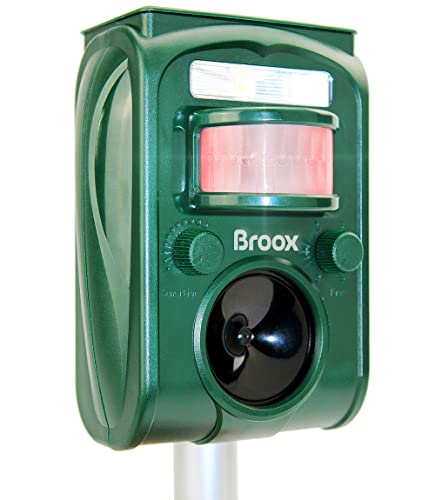
Incorporating motion-activated devices can also offer an immediate solution. Sensors that emit sound or bursts of air can startle and discourage curious pets from approaching your outdoor spaces.
Covering the seating with protective tarps or specific furniture covers when not in use serves as a simple yet effective barrier. This practice prevents both claw marks and the lingering scent of the fabric attracting attention.
Lastly, consider creating designated areas within your yard that are appealing to pets, such as a small patch of cat grass or a cozy bed in a shaded spot. Redirecting their focus can help maintain the integrity of your outdoor setup.
Using Cat Repellent Sprays on Outdoor Furniture
Opt for commercial repellent sprays specifically formulated for outdoor use. Look for products containing natural ingredients like citronella, eucalyptus, or vinegar, which effectively deter felines. Each spray has unique instructions, ensure to follow the manufacturer’s guidelines for optimal results.


Application Tips
- Test the spray on an inconspicuous area of the item to ensure compatibility and avoid damage.
- Apply on a dry day to facilitate proper adhesion and effectiveness.
- Reapply after rain or heavy dew to maintain deterrent properties, as moisture can diminish efficacy.
- Focus on areas most frequented or scratched, enhancing effective coverage.
Homemade Alternatives
- Mix water with vinegar in a spray bottle and apply to targeted surfaces. The scent is off-putting to many animals.
- Combine citrus peels with water; citrus odors tend to repel many four-legged visitors.
- Consider using essential oils like peppermint or lemon; dilute properly before applying to avoid fabric damage.
Consistency in application is key. Regularly monitor and reapply to ensure continued effectiveness against unwelcome visitors seeking comfort on your furnishings.
Choosing Cat-Resistant Fabrics for Cushions
I recommend selecting materials that naturally deter claws and scratches. Look for tightly woven fabrics like canvas or synthetic blends which provide durability against wear. These options resist snags more effectively than loose weaves.
Another great choice is outdoor polyester, which is not only water-resistant but also less appealing for scratching. It offers a smooth surface that discourages engagement from curious paws.
Consider acrylic fabrics as they mimic the softness of natural fibers while providing strength. They maintain color and resist fading, which adds longevity to your outdoor setup.
Additionally, microfiber is another suitable alternative, as its dense structure minimizes the likelihood of claws penetrating it. This fabric is also easy to clean, making maintenance a breeze.
Lastly, treat your cushions with special coatings designed to enhance resistance to stains and scratches. Look for products that specify protective layers without compromising the fabric’s comfort.
Creating Physical Barriers to Prevent Access
Installing physical barriers forms a practical approach. Consider using decorative screens or trellises to limit entry points. Choose options that blend with your outdoor theme while serving their purpose.
Fencing plays a significant role. Opt for tall, sturdy fences that deter unwanted visitors. Ensure that there are no gaps at the base or climbing points. A solid barrier can be enhanced with spikes or an outward bend at the top.
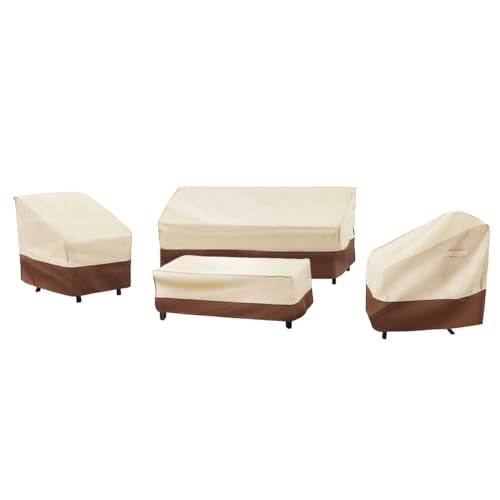
Utilize outdoor furniture covers. Heavy-duty tarps or specially designed covers can obstruct access while protecting your furniture from the elements. These should fit snugly to ensure they can’t be easily moved.
Container gardens act as a natural blockade. By strategically placing pots and raised beds near seating areas, you can create a buffer zone. Choose plants that offer texture and height, further reinforcing the boundary.
Taking advantage of the vertical space is another method. Hanging planters can prevent approach routes,, effectively elevating the barrier against intrusion. This adds both beauty and security to your outdoor setting.
| Barrier Type | Description |
|---|---|
| Decorative Screens | Stylish panels that limit visibility and access. |
| Fencing | Sturdy, tall barriers with no gaps or climbing points. |
| Furniture Covers | Heavy-duty coverings designed to fit snugly. |
| Container Gardens | Strategically placed pots that create natural barriers. |
| Hanging Planters | Elevated options that enhance aesthetics while blocking access. |
Integrating these methods strengthens physical boundaries, enhancing comfort in your outdoor environment.
Incorporating Cat-Deterring Plants Around the Patio
Choose plants that emit scents repulsive to felines. Rue, for instance, is known for its strong aroma, which many four-legged wanderers dislike. Grow this herb in pots or borders to create a natural barrier.
Consider planting lavender. Its fragrance is pleasing to humans but often off-putting to unwelcome visitors. Additionally, rosemary serves as an aromatic deterrent while enhancing the outdoor atmosphere.
Other Plant Options
Citronella is another effective choice, offering an enjoyable scent for people while naturally repelling unwanted guests. Marigolds, with their distinctive smell, can also serve as a protective border for seating areas.
Incorporating these plants not only beautifies the space but creates a less inviting environment for animals. Arrange them strategically near seating areas or around paths to minimize interactions.
Maintenance Tips
Regular care will ensure these plants thrive. Water consistently and prune as needed to maintain their health and efficacy. Keep an eye on soil quality, using organic fertilizers to promote growth without chemicals that could harm the surrounding ecosystem.
By thoughtfully selecting and maintaining specific plants, a natural deterrent can be established, making outdoor settings more enjoyable and less prone to ambush from furry intruders.
Employing Motion-Activated Devices for Deterrence
Installing motion-activated sprinklers represents a straightforward solution to discourage unwanted visitors. These devices activate water jets upon detecting movement, startling nearby animals and teaching them to avoid the area. Placement should be strategic, targeting spots where animals typically enter, such as pathways or under furniture.
Another option is motion-activated ultrasonic deterrents. These devices emit high-frequency sounds that are unpleasant for animals but inaudible to human ears. Ideal for outdoor settings, they can cover a wide area and are often adjustable, allowing customization of sensitivity and range.
Combining both types of devices can enhance their effectiveness. For example, using sprinklers in conjunction with ultrasonic devices creates a multi-sensory deterrent that can significantly reduce the likelihood of furry trespassers returning. Regularly repositioning the devices can also prevent animals from becoming accustomed to their presence.
Before setting up, ensure the devices operate within legal constraints regarding water usage and noise levels in your community. Maintenance is key to their functionality; check batteries, sensors, and water supply regularly to guarantee optimal performance.
Utilizing Textured Surfaces to Discourage Cats
Installing textured materials like roughened wood, coarse stone, or rubber mats on seating areas creates an uncomfortable surface for felines. This discomfort deters them from lounging or scratching.
Specific Material Options
Consider using sandpaper or sisal fabric on outdoor cushions or covers. These surfaces not only provide a deterrent by feeling unpleasant but can also enhance the aesthetic of the space.
Placement and Design
Strategically position textured items at common access points or where the furniture is frequented by these animals. Incorporate unique barriers like unevenly placed stones or gravel pathways, which disrupt their usual paths and make the area less appealing for relaxation.
Regularly Cleaning Outdoor Furniture to Remove Attractants
Regular maintenance of outdoor seating and tables is critical for minimizing scents and residues that can lure unwanted visitors. Develop a cleaning schedule that includes the following steps:
- Use mild soap mixed with water to wipe down surfaces frequently. This eliminates food particles or organic materials that may be appealing.
- Incorporate a vinegar solution as a natural deodorizer. Mix one part vinegar with two parts water, then spray onto the fabric or hard surfaces.
- Ensure that cushions are shaken out periodically to remove debris or pet hair that accumulates.
- Store any unused items, such as blankets or towels, inside to prevent odors from spreading.
- Inspect for spills immediately and clean them to avoid lingering scents.
Special Attention to Fabrics
Pay particular attention to upholstered items. Fabrics can absorb odors and require thorough cleaning regularly. Vacuum cushions and treat them with a fabric-safe cleaner. Consider weather-resistant coverings that are easier to maintain and provide added protection against the elements.
Seasonal Deep Cleaning
At least once a season, conduct a deep clean. This can involve:
- Removing and washing removable fabric covers according to care instructions.
- Using a power washer on plastic or wooden structures to dislodge deep-seated dirt.
- Applying a protective sealant or treatment that repels dirt and moisture, extended longevity and reducing the frequency of cleaning.
Through consistent attention to maintaining cleanliness, the outdoor environment becomes less welcoming to wandering animals.
Understanding Cat Behavior for Better Prevention Strategies
Observing feline tendencies helps formulate practical strategies. For instance, understanding that certain textures can be appealing or repulsive guides material choices for seating. Fabrics with coarse textures deter interest effectively.
Attention to Scent Preferences
Recognizing that cats possess a keen sense of smell assists in the selection of deterrent approaches. Scents such as citrus or eucalyptus often repel; incorporating these into sprays or choosing furniture with infused materials may discourage unwanted visits.
Play Patterns and Activity Cycles
Noticing peak activity times can inform when to implement preventative methods. Felines are generally most active during dusk and dawn. Arranging deterrents around these hours, like motion-activated devices, aligns with natural behavior.
Engaging with outdoor spaces through play can shift focus. Providing nearby toys or interactive elements diverts their attention away from unwelcome areas, promoting exploration of designated zones.


