Caleb Turner
I recommend using citronella candles or oil lamps to create a natural barrier against unwanted insects. The scent of citronella is known to repel many flying nuisances, making outdoor gatherings more pleasant. Place these candles strategically around your seating area for maximum effectiveness.
Regularly cleaning the space is crucial. Food crumbs and spills attract unwanted visitors, so make it a habit to wipe down surfaces after use. Once a week, use a mild detergent and water solution to keep everything tidy, which will help minimize attracting insects.
Consider the placement of potted plants. Some greenery can attract beneficial pollinators, but others may invite unwelcome pests. Research which plants repel insects, such as basil or marigolds, and incorporate them into your outdoor decor to deter infestations.
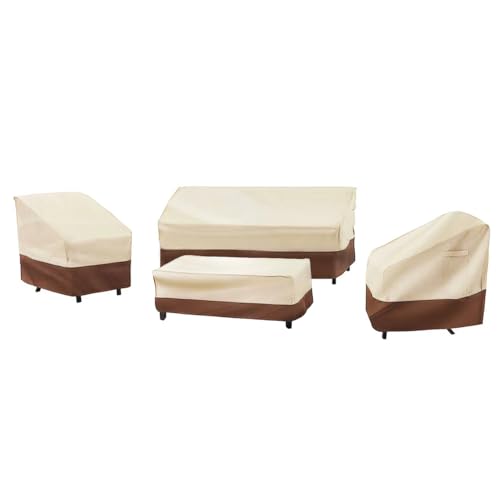
Using mesh covers on seating and tables is another straightforward way to protect your outdoor area. These covers can prevent insects from landing on surfaces while still allowing you to enjoy the fresh air. Invest in durable, easy-to-clean models that fit your furniture well.
Lastly, installing an outdoor fan can disrupt the flight patterns of insects. The breeze creates an unwelcoming environment, which can deter them from getting too close to where you relax. Keep the fan running during gatherings to enhance comfort while enjoying outdoor spaces.


Methods to Deter Insects from Garden Seating
Utilizing natural repellents is a straightforward way to maintain a pleasant environment. Essential oils like peppermint, lavender, and citronella can be effective. Mix a few drops with water in a spray bottle and apply to the surfaces regularly.
Strategic Placement
Location plays a key role. Positioning items away from dense vegetation or water sources can significantly reduce insect attraction. Additionally, adding cedar chips or diatomaceous earth around the area can create a barrier.
Routine Cleaning
Regular cleaning prevents the accumulation of food debris and spills that attract unwanted visitors. Use a soft brush or cloth to remove dust and any organic material. For deeper cleanings, a mixture of vinegar and water can be effective.
- Wipe surfaces immediately after meals.
- Store cushions in a dry place when not in use.
- Avoid leaving food or drinks unattended.
By implementing these techniques, I create a more enjoyable outdoor space while minimizing unwelcome visitors and enhancing comfort during gatherings.
Choosing the Right Materials for Bug-Resistant Furniture
Opt for materials like aluminum and synthetic wicker that inherently resist infestations. Aluminum is lightweight, corrosion-resistant, and doesn’t require painting, making it an ideal choice for outdoor settings. Synthetic wicker mimics natural fibers while being more durable and less susceptible to moisture, which deters unwanted critters.
Wood Selection
When considering wooden alternatives, choose treated varieties like cedar or redwood. Their natural oils repel insects. Avoid untreated softwoods, as they are more prone to decay and infestations.
Fabric Choices
Select outdoor fabrics that feature antimicrobial treatments. Fabrics like solution-dyed acrylic are not only UV-resistant but also less likely to attract uninvited guests. Avoid natural fibers like cotton, which can harbor pests.
Regular Cleaning Techniques to Deter Pests
I recommend adopting a consistent cleaning routine to repel unwanted insects from outdoor seating and tables. Start with sweeping or vacuuming surfaces weekly to eliminate crumbs and debris, which attract unwelcome visitors.
Use Mild Soap and Water
Utilize a mixture of mild soap and warm water for wiping down surfaces. This not only removes food residues but also disrupts any nesting spots. After cleaning, make sure to rinse thoroughly to avoid soap residue, which can attract more pests.
Specialized Solutions
Consider eco-friendly pest-repellent solutions during cleaning. Vinegar or diluted essential oils like peppermint or eucalyptus can deter insects. Spray these solutions on hard surfaces, allowing the natural aromas to create an uninviting environment for pests.
Regular maintenance and cleaning techniques help maintain a welcoming outdoor space while minimizing insect activity.
Using Natural Repellents for Outdoor Spaces
To deter unwanted insects, I often turn to natural repellents. Essential oils are an excellent choice; they not only smell pleasant but also effectively repel various pests. Peppermint, citronella, and eucalyptus oils are particularly strong contenders. I mix a few drops of these oils with water in a spray bottle and apply the solution to the surface of my outdoor items.
Herbal Alternatives
Incorporating certain herbs into my garden or around furniture can create a natural barrier. Planting mint, basil, or marigolds around the area helps, as these plants naturally repel insects. I also use dried herbs like lavender or rosemary in small pouches placed among cushions to enhance the repellent effect.
Citrus Solutions
Citrus peels can serve as a simple deterrent when placed around seating and tables. I save leftover peels from oranges and lemons, which not only freshen the space but also keep some insects at bay. Additionally, a mixture of water and citrus juice can be sprayed on surfaces for extra protection.
By combining these natural methods, I maintain a more enjoyable outdoor experience without relying on harsh chemicals. With regular application and smart landscaping, I can enjoy my time outside with fewer interruptions.
Setting Up Physical Barriers to Keep Insects Away
Installing screens is a straightforward method to block entry points. Choose fine mesh that fits tightly within window frames or doorways. This approach prevents small insects from accessing your outdoor space.
Opt for Outdoor Covers
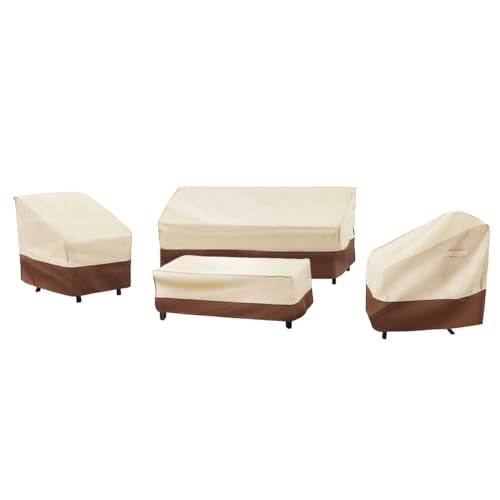
Using durable, weather-resistant covers can help shield lounge chairs and tables from unwanted visitors. Select covers that are breathable to avoid moisture buildup, which can attract more pests.
Strategically Placing Nettings
- Utilize mosquito netting around specific areas, like seating zones, offering a retreat without distractions.
- Consider creating a barrier around food service areas; this keeps curious critters at bay.
Raising furniture slightly off the ground aids in reducing contact with the soil, where many insects reside. Utilizing furniture risers or selecting designs with built-in elevation can prove beneficial.
- Implement hard surfaces instead of grassy areas; concrete, stone, or tiles can deter many crawling insects.
- Surround outdoor spaces with plants that naturally repel unwanted visitors, creating a green boundary.
Switching to fire pits with screen lids can also minimize exposure, allowing you to enjoy an outdoor atmosphere while maintaining a barrier against insects. These screens not only protect against critters but provide safety from embers as well.
Finally, consider using physical traps or sticky boards in key locations to monitor and control insect populations effectively.
Maintaining Proper Drainage to Reduce Insects
Ensure the surface beneath seating and tables slopes away from the structure, allowing water to flow freely and preventing pooling. Integrated drainage holes in planters and furniture bases can significantly help in reducing moisture accumulation.
Keep gutters and downspouts clear of debris; this prevents overflow that can saturate soil around outdoor areas. Install gravel or permeable pavers as a foundation beneath heavy items, promoting swift drainage and diminishing stagnant water areas.
Regularly inspect the ground for areas that collect water after rainfall. Level any dips or low spots to promote runoff and prevent an inviting environment for unwanted critters.
Consider installing a rain garden or strategically positioned drainage ditches to guide excess water away from gathering locations. These alterations not only improve the aesthetic of the outdoor environment but actively contribute to minimizing conducive habitats for insects.
Lastly, employ a moisture meter to monitor soil levels in planters. By maintaining appropriate moisture levels, it’s easier to manage an overall dry environment that discourages pests from establishing themselves nearby.
Implementing Strategic Lighting Solutions
Strategic lighting can significantly reduce the attraction of insects by altering their behavior. Utilize warm-colored LED lights, specifically those emitting yellow or amber hues. These colors are less appealing to common flying nuisances compared to cooler shades. Placing these lights in targeted areas can create comfortable and inviting spaces while minimizing insects’ presence.
Types of Lighting to Consider
Solar-powered fixtures are eco-friendly and can be placed throughout the area to enhance ambiance without increased electricity costs. Ensure these are equipped with warm LED bulbs for optimal results. Additionally, consider motion-activated lighting to discourage pest activity. The sudden illumination can deter unwarranted visitors, as they thrive in darkness.
| Light Type | Color Temperature | Effect on Insects |
|---|---|---|
| LED Warm White | 2700K – 3000K | Less attractive |
| LED Amber | 2200K | Minimally attractive |
| Standard White | 5000K | Highly attractive |
Placement Strategies
Position lighting away from seating areas and rest zones. This way, illumination can guide people without drawing insects directly to where individuals congregate. Strategically spacing fixtures can maximize the area’s brightness while minimizing the allure for insects.
Incorporating these lighting adjustments will enhance outdoor experiences while naturally discouraging pests, allowing for enjoyable evenings spent outside.
Utilizing Outdoor Fabrics with Insect-Repelling Properties
Opt for textiles designed specifically to resist pests. Fabrics infused with bug-repellent treatments not only repel unwanted visitors but also enhance the longevity of your outdoor seating.
Consider materials like polyester or solution-dyed acrylic, which are often treated with insect-repellent agents. These fabrics stand up to fading and wear while providing an additional barrier against intruders. Look for brands that advertise built-in repellency.
When selecting cushions and pillows, choose those with tightly woven fabric. A close weave can limit access for uninvited insects seeking a cozy resting place.
Incorporate outdoor furniture covers made from breathable, insect-resistant materials. These covers shield against debris while providing an extra layer of protection.
Regularly check and maintain the integrity of the treated textiles. If noticeable wear occurs, consider re-treating them with a fabric-safe insect repellent to prolong their effectiveness.
Seasonal Maintenance Tips for Outdoor Furniture
Regular inspections during spring and fall are crucial. Check for any signs of wear and tear, including loose screws, fading finishes, or rust on metal parts. Tightening joints and applying touch-up paint can prolong the life of items.
Storage Solutions for Off-Season
Invest in weather-resistant covers or dedicated storage solutions. When winter approaches, I always ensure that my pieces are protected from snow and ice to maintain their integrity. If space allows, storing them indoors keeps surfaces intact.
Conditioning Materials Appropriately
Wooden items require conditioning oils throughout the year. I treat teak and cedar furniture with proper oils to prevent drying and cracking. Metal surfaces benefit from periodic polishing to resist corrosion and maintain shine. Regular application of protective sprays on fabrics shields them against UV rays and stains, ensuring longevity.
Identifying Common Invaders and Targeting Them Effectively
Recognizing specific intruders is key. Ants often appear in trails, seeking food crumbs. Spiders may create webs in corners or under tables. Mosquitoes are noticeable by their buzzing and tend to linger around areas with standing water. Additionally, wasps build nests in eaves or beneath tabletops. Regular checks can help pinpoint their presence early.
Targeting Specific Species
For ants, I use diatomaceous earth around entry points; it disrupts their exoskeleton. Spiders can be deterred by essential oils like peppermint or tea tree. For mosquitoes, citronella candles create an aromatic barrier. When combating wasps, I ensure to remove any potential nesting sites and set traps a safe distance away.
Monitor and Maintain
I schedule routine inspections, particularly after heavy rainfall or changes in temperature. Keeping a clean environment minimizes attractants, ensuring a less inviting area for insects. This proactive approach reduces the likelihood of intrusive species taking hold.