
 Caleb Turner
Utilizing airtight containers for cushions and pillows significantly minimizes the chances of infestations. By storing your soft furnishings in these containers, you create a barrier that reduces exposure to unwanted critters that thrive in warm, cozy environments.
Regular cleaning routines also play a pivotal role in safeguarding your seating area. Vacuuming the surfaces and crevices of outdoor seats removes potential hiding spots and food sources for insects. Consider integrating a portable vacuum into your cleaning arsenal to make this task more manageable.


Strategic placement of your outdoor pieces matters. Positioning them away from dense shrubs or grassy areas can help limit the attraction of ants, spiders, and other insects. Additionally, utilizing outdoor-specific materials that resist infestations will fortify your seating against unwanted guests.
Incorporating natural repellents into your maintenance schedule proves effective as well. Essential oils like citronella or eucalyptus can deter insects while providing a pleasant scent. A diluted spray on surfaces can create an unwanted environment for these pests.
Methods to Deter Insects from Outdoor Seating
Regularly applying protective coatings is my go-to strategy. Products designed for outdoor materials can create a barrier that repels insects while preserving the appearance of seating.
Utilizing natural repellents like citronella candles or essential oils proves effective. Placing these near seating areas can significantly reduce unwanted pests.
Installing screens on nearby areas or around the outdoor space helps; this provides an additional layer of defense against flying nuisances.
Incorporating specific plants known to deter unwanted critters can make a difference. For instance, marigolds or lavender thrive in outdoor settings and discourage insect visitation.
Storing cushions and other accessories in sealed containers when not in use minimizes the chances of attracting pests. This practice ensures cleanliness and longevity for the items.
Regular cleaning routines also play a crucial role. Sweeping and wiping surfaces removes remnants that might entice insects, contributing to a more enjoyable outdoor experience.
- Choose durable materials that are less appealing to insects.
- Maintain well-trimmed landscaping to eliminate shelters for pests.
- Encourage natural predators like birds by setting up feeders nearby.
Choose the Right Material for Your Furniture
I prefer aluminum for its lightweight yet durable quality. It withstands harsh weather conditions and doesn’t rust, making it a practical choice for outdoor use. Look for powder-coated options, as they provide an additional layer of protection against the elements.
I often recommend teak wood for its resistance to moisture and insects. Its natural oils act as a deterrent to unwanted guests, while its beautiful grain adds elegance to outdoor settings. Regular oiling will maintain its appearance and longevity.
For a more budget-friendly option, consider high-density polyethylene (HDPE). This material is resistant to fading and scratching. It mimics the look of wood without the upkeep, making it perfect for busy outdoor spaces.
Wicker can also be a great choice, but I advise looking for synthetic varieties. They are easier to clean and maintain than natural wicker, which can attract pests. Synthetic options tend to be more resilient against moisture, ensuring a longer lifespan.
Finally, cushions should be made from solution-dyed acrylic fabrics. These are designed to resist water and fading, ensuring comfort without compromising the aesthetics of your outdoor area. Choosing the right materials ensures not only durability but also a pleasant outdoor experience.
Regular Cleaning and Maintenance Practices
Establish a consistent cleaning routine to protect your outdoor seating and tables from getting infested. Weekly dusting with a microfiber cloth removes debris and potential nesting materials.
Use a mild soap solution for deeper cleaning. Mix warm water with a few drops of dish soap, then apply it using a soft sponge or cloth. Rinse thoroughly with water to prevent any residue, which can attract unwanted critters.
- Inspect for signs of wear and tear regularly. Cracks and crevices can become hiding spots for insects.
- Apply a protective sealant to wooden pieces annually. This not only prolongs the life of the material but also helps to deter pests.
- Ensure items are stored properly during off-seasons. Keeping them in a sealed storage space minimizes exposure to insects.
Check fabrics for signs of mold or mildew, which can attract various insects. Wash removable covers according to the manufacturer’s instructions, ensuring they’re completely dry before reapplication.
Consider utilizing natural pest deterrents such as essential oils. Sprays made of peppermint or eucalyptus can help repel certain insects when applied regularly around the perimeter of your outdoor setting.
Lastly, ensure proper drainage in your outdoor area to avoid water accumulation, as standing water invites numerous unwanted visitors.
Implement Protective Covers When Not in Use
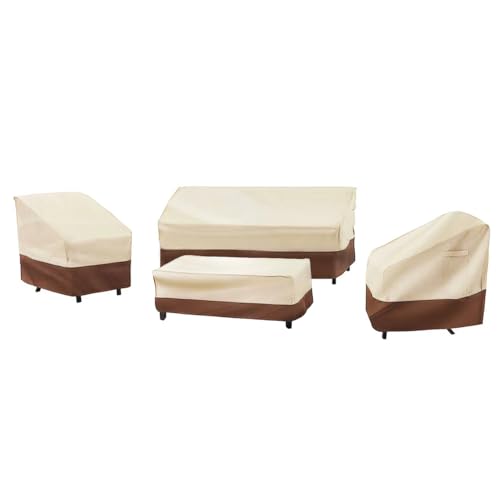
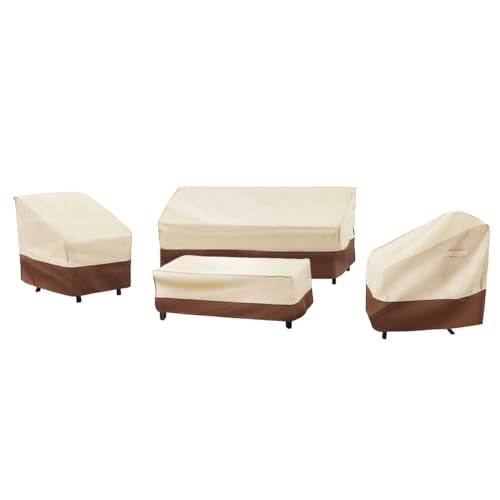
Using protective covers is a straightforward measure that significantly enhances the longevity of outdoor seating. When I’m done enjoying my space, I cover these items to shield them from unwanted elements.
Select Appropriate Covers
I choose covers made from breathable, waterproof materials to prevent moisture buildup, which can lead to mildew and rot. It’s important that the selected covers fit snugly, ensuring they won’t blow away in windy conditions.
Regularly Check and Maintain Covers
I also make it a habit to inspect the covers for tears or damage. If I notice any issues, I repair or replace them promptly to ensure maximum protection. This routine safeguards my outdoor setup from intruding pests and environmental wear.
Utilize Natural Repellents Around the Patio
Utilizing natural repellents can create a more enjoyable outdoor area. I recommend planting citronella, lavender, and marigold around the seating area. These plants not only add beauty but also emit scents that many insects find unappealing.
Essential Oils and Their Applications
Essential oils are potent natural deterrents. I often mix a few drops of peppermint, eucalyptus, or tea tree oil with water in a spray bottle. This can be sprayed on the surfaces of seating and tables to create a protective barrier. Reapplication after rainfall or heavy dew is necessary.
Using Vinegar as a Deterrent
Vinegar is another effective option. Mixing equal parts of vinegar and water in a spray container allows me to lightly mist the outdoor surfaces. The strong scent repels insects, although it dissipates quickly, so frequent applications are required.
| Repellent | Application Method | Frequency of Application |
|---|---|---|
| Citronella | Plant around seating | Seasonal |
| Essential Oils | Spray mix on surfaces | After rain |
| Vinegar | Lightly mist surfaces | Every few days |
Incorporate Bug-Repelling Plants in Your Outdoor Space
Adding certain flora to your outdoor environment can significantly deter unwanted insects. Consider including citronella,known for its signature aroma which repels many critters. Planting marigolds not only enhances aesthetics but also serves as a natural deterrent due to their scent. Additionally, lavender carries a pleasant fragrance for humans while warding off troublesome creatures. Basil is another attractive option; its pungent smell is unappealing to various pests and can be a great culinary addition.
To create a natural barrier, arrange these plants strategically around seating areas. Grouping them allows scents to mingle and form a more potent defense. Choosing native plants can also be beneficial, as they’re often better suited to the local climate and soil, ensuring robust growth and effective pest resistance.
Regular watering and care are necessary for these plants to thrive. Implement companion planting by grouping plants with similar pest-repellent qualities together to enhance overall effectiveness. With time, this greenery not only beautifies the space but also boosts comfort by reducing discomfort from unwelcome visitors.
Seal Gaps and Cracks in Furniture Design
To enhance protection against unwanted intruders, inspect and seal any gaps or cracks present in the construction of outdoor seating and tables. Use high-quality silicone sealant or caulk, ideal for outdoor conditions, to fill these openings, ensuring a snug fit that reduces entry points.
Pay specific attention to joints where different materials meet, such as wood and metal. Regularly check for signs of wear, and reapply sealant as necessary. This proactive maintenance reduces the chances of infestation.
Consider an additional layer of protection by incorporating weather-resistant paints or stains on wooden components, which can also help fill minor imperfections naturally due to their thicker consistency.
Implementing these methods will significantly diminish access pathways for critters and enhance the longevity of the items.
| Material | Recommended Sealant | Application Frequency |
|---|---|---|
| Wood | Silicone Sealant | Annually |
| Metal | Caulk | Every 2 years |
| Composite | Exterior Paint | Every 3 years |
Additionally, ensure that any cushions or upholstery are also examined, as small tears could serve as entry points. Repair or replace these items promptly to maintain a comprehensive defense against infiltrators.
Use Citronella Candles or Other Deterrents
Citronella candles are a proactive measure that I highly recommend. The natural oil derived from citronella grass is known for its insect-repelling properties, making these candles a popular choice for outdoor settings. When lit, they emit a fragrance that masks carbon dioxide, a primary attractant for various pests. Position candles strategically around your seating area, ensuring they are sheltered from wind to maximize their effect.
In addition to citronella, consider incorporating other repellents:
- Essential oils like lavender, eucalyptus, and peppermint can be diluted with water and used in spray bottles to mist around the area.
- Insect repellent devices or diffusers that utilize plant-based formulas can also create a barrier against unwanted insects.
- Some homeowners find success with ultrasonic pest repellents that emit high-frequency sounds, deterring insects without chemicals.
Regularly replace or replenish candles and diffusers to maintain efficacy. An inviting environment combined with these deterrents creates a more pleasant experience during outdoor gatherings.
Store Furniture in a Safe Location During Off-Season
Placing items in a dry, enclosed space such as a garage or shed prevents exposure to moisture and pests. Ensure that the area is free from debris and is well-ventilated to minimize mildew risks. If indoor storage isn’t feasible, consider using a high-quality outdoor storage box specifically designed to resist weather elements.
Utilize Stacking and Nesting Options
Opting for stackable chairs and tables can significantly reduce the space they occupy during off-season storage. Arranging several pieces together not only simplifies space management but also provides a unified barrier against moisture and insect intrusion.
Employ Protective Measures
Before stowing items away, apply a layer of furniture polish or protective wax to wooden pieces. This creates a barrier against moisture and potential critter attraction. Additionally, placing cedar blocks or using natural repellents within storage units can deter unwanted visitors without harsh chemicals.


