Caleb Turner

Consider utilizing specific scents that felines dislike. Citrus spray, vinegar, and herbal deterrents such as rosemary and lavender can effectively repel them. Applying these substances on the surface of your patio items will create an unwelcoming environment.
Physical barriers can also serve as a practical approach. Using lightweight mesh covers or plush barriers can dissuade your four-legged visitors. Additionally, placing aluminum foil or spiky mats on seating areas provides an unpleasant texture for sensitive paw pads.
Incorporating motion-activated devices is another tactic. Ultrasonic repellents or sprinkler systems activate in response to movement, creating an unexpected surprise. These methods leverage the element of surprise and help maintain a pet-free space.
Finally, consider creating designated areas for the animals. By establishing a specific zone with comfortable outdoor beds or scratch posts, you can naturally draw them away from your patio furniture while satisfying their instincts.

Understanding Feline Behavior Around Outdoor Spaces
To deter these animals from your patio or deck, it’s crucial to recognize their natural instincts. Elevated areas attract them, as they provide a vantage point. Hence, consider placing obstacles like spikes or netting on surfaces they frequent. This creates an unwelcoming environment for exploration.
Attraction to Textures and Scents
Felines are drawn to various textures. Smooth, cool surfaces often pique their curiosity. Utilize materials that are uncomfortable for them, such as products with sticky or rough finishes. Additionally, they tend to be sensitive to specific scents. Sprays with citrus or certain essential oils can repel them effectively. A combination of both texture and scent will create a space they are less inclined to approach.
The Role of Territory
This species is territorial by nature, often marking areas to claim them. By consistently removing their scent through cleaning and using enzymatic cleaners, I can reduce the likelihood of them returning to those spots. Providing designated areas away from my leisure space that are appealing can also divert their attention. Incorporating cat grass or scratching posts at a distance can serve as an attractive alternative, steering them away efficiently.
Choosing Suitable Deterrents for Cats
Utilizing citrus scents is an effective strategy to discourage interaction with various surfaces. Many felines dislike the smell of citrus, making lemon or orange peels ideal for placement on chairs or tables. Regularly refreshing these peels ensures maximum potency for discouragement.
Another option involves employing physical barriers. Utilizing outdoor nets or protective covers can create an unwelcoming environment for them. Fabric made of rough materials may serve to deter them from utilizing certain items for relaxation.
Behavioral Deterrents
Noise-makers can also play a role in reducing interest. Items such as wind chimes or motion-activated devices create unexpected sounds that might encourage a feline to find a quieter area. This can effectively change their perception of the vicinity.
Repellent Sprays
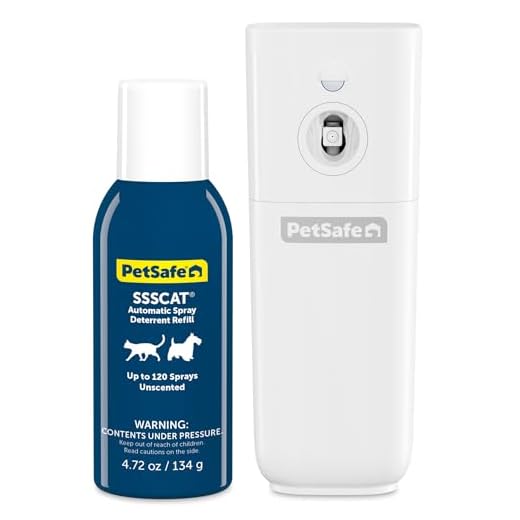
Commercial repellent sprays are another tool available. These often use natural ingredients that create a scent unfavored by felines but pleasant for humans. Regular application, following package instructions, will strengthen its efficiency and maintain a protective barrier around specific items.
Using Natural Repellents to Protect Furniture
Citronella oil has proven effective at deterring unwanted visitors from approaching my outdoor seating. I dilute a few drops in water and spray it onto the surfaces. This method not only provides protection but also leaves a pleasant scent.
Another excellent natural repellent is vinegar. Mixing equal parts of water and vinegar and applying it to furniture can significantly reduce four-legged intruders. The strong odor acts as a deterrent, discouraging them from lingering.
Citrus Solutions
Most felines dislike citrus scents. Utilizing lemon or orange peels as a barrier around seating can be quite effective. I place the peels strategically on the surfaces and replace them as needed, ensuring a constant citrus presence.
| Repellent | Application Method | Effectiveness |
|---|---|---|
| Citronella Oil | Diluted spray | High |
| Vinegar | Water mixture spray | Moderate |
| Citrus Peels | Physical placement | High |
Herbal Approaches
Strong-smelling herbs like rosemary and lavender can also be advantageous. Planting these around the patio area creates a natural barrier as the scent often repels unwanted visitors. Additionally, I often scatter dried rosemary or lavender leaves on the furniture, adding an extra layer of deterrence.
Designing Outdoor Areas to Discomfort Felines
Elevate the discomfort for felines by incorporating physical barriers. Raised beds or elaborate trellis systems can create an unwelcoming height, eliminating easy access. Opt for textured surfaces, such as rough stones or gravel, to make these zones less appealing. Cats typically avoid uncomfortable walking surfaces, encouraging them to steer clear.
Incorporating Sound Elements
Introduce auditory deterrents that disrupt the serene environment enticing to these creatures. Wind chimes, motion-activated alarms, or even recordings of canine barks can serve to create an unsettling atmosphere. The goal is to blend these soundscapes in a way that they become a persistent reminder of the space being less than welcoming.
Using Plant Choices Wisely
Select vegetation that not only beautifies but also deters. Incorporate thorny or spiky plants like roses or barberry, which act as natural barriers. Additionally, certain herbs, such as rue or lavender, can produce scents that repel rather than attract. Strategically placing these around seating areas will establish a disincentive without compromising aesthetics.
Regular Maintenance and Cleaning Strategies
Thorough and frequent cleaning of surfaces can significantly deter unwanted attention. I recommend using a mixture of vinegar and water to clean items regularly. This natural solution not only sanitizes but also eliminates scents that attract animals. Aim for a weekly schedule, ensuring that cushions and upholstery are vacuumed and wiped down.
Consider storing cushions and throws in a dry location when not in use. In addition, I advise checking the furniture for any signs of wear and tear, repairing or replacing items that may become appealing, like torn fabric or loose padding.
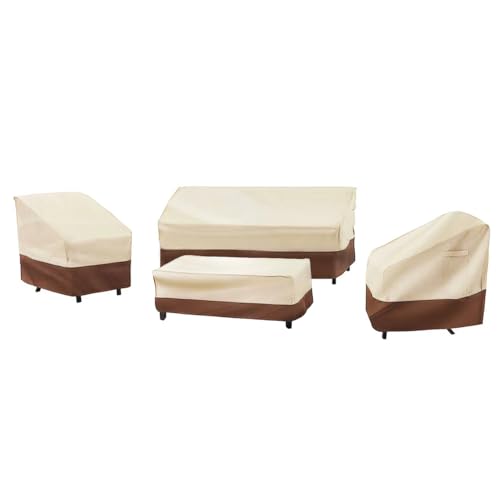
Utilizing protective covers can shield items from potential damage. Choosing breathable fabrics for covers will prevent moisture buildup, which can create odors. If furniture collects dirt or debris, I recommend using a soft brush or hose to remove it promptly, especially after rain.
Integrating a consistent cleanup routine post-gatherings can be beneficial. Scraps of food or spills may attract intruders. I make it a habit to tidy up immediately after using the space.
Lastly, introducing physical barriers, such as plastic spikes or mats designed to deter paws, can help maintain a welcoming area while protecting my belongings. Rotating the positions of these deterrents occasionally can enhance their effectiveness, keeping the environment uninviting for curious visitors.
Monitoring and Adjusting Your Approach
Regularly assess the effectiveness of the strategies in use. Observing the behavior around the seating and other outdoor elements can reveal whether the chosen deterrents are working.
I recommend maintaining a log. Document observations regarding the frequency of visits, any patterns of behavior, and the responses to specific deterrents.
- Identify high-traffic times. Monitor when unwanted visitors are most active and adjust measures accordingly.
- Test new deterrents periodically. If a method stops being effective, try a different type to see if it yields better results.
- Be aware of seasonal changes. Different times of the year can influence animal behavior. Adapt your strategies based on these shifts.
Engage with neighbors to gather insights; they may offer tips based on their own experiences. This collaboration can help refine your techniques.
Ultimately, flexibility is key. If a particular solution isn’t deterring intrusions, don’t hesitate to experiment with variations or combine multiple strategies for enhanced results.