Caleb Turner

Utilizing fake owls or other decoys strategically around your patio can discourage unwanted guests from settling on your seating. Position these visually intimidating figures where they are clearly visible, as their presence often prompts birds to choose an alternative location.
Incorporating reflective materials such as shiny tape or aluminum foil can create an uncomfortable environment for feathered visitors. When the sunlight bounces off these surfaces, it disorients and deters them from approaching your setup.


Installing bird spikes on ledges and railings serves as a physical barrier, making it less appealing for them to land. This unobtrusive method can be highly efficient without compromising the aesthetic of your outdoor space.
Employing natural repellents, like essential oils or vinegar sprays, can also work wonders. These scents are often off-putting to many avian species. Regularly spritzing your seating can create an unwelcoming atmosphere that encourages them to stay away.
Preventive Measures for Outdoor Seating
Applying natural deterrents proves useful. Spraying vinegar or placing citrus peels around seating areas often leads to effective results, as many avians dislike these scents. Alternatively, utilize reflective surfaces like aluminum foil or old CDs that can deter unwanted guests through visual distraction.
Physical Barriers
Installing bird spikes or netting can create an unfriendly environment for unwanted visitors. Spikes can be affixed to railings or ledges, discouraging them from landing, while netting keeps them at a distance altogether. These barriers are generally effective and can blend with outdoor aesthetics.
Regular Cleaning Routine
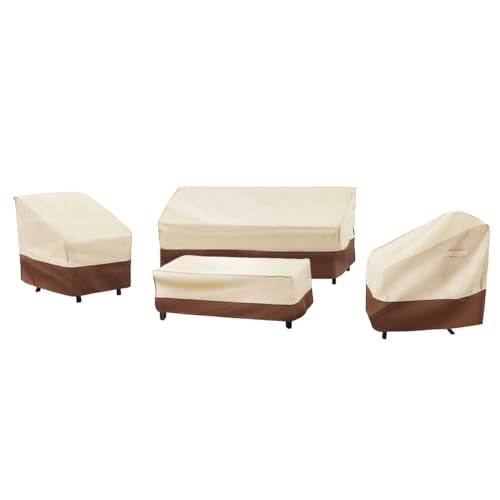
Maintaining cleanliness is crucial. Regularly wipe down surfaces to eliminate any residue that could attract them. Using a water-resistant cover on seating options can prevent accumulation of droppings when furniture is not in use. This proactive approach minimizes the chances of attracting unwanted attention.
Understanding Bird Behavior Around Your Home
Identifying feeding and nesting habits is crucial. Several species are more likely to perch around areas with accessible food sources or shelter. Implementing food deterrents, such as removing or securing trash bins and eliminating leftover food, can significantly reduce attraction.
Common Attraction Factors
Understanding what lures these animals to your surroundings can inform strategies to minimize disturbances. Here are a few key factors:
| Attraction Factor | Mitigation Strategy |
|---|---|
| Food Sources | Regularly clean your patio and dining areas, removing food waste and residue. |
| Water Availability | Limit standing water or consider covering fountains when not in use. |
| Nesting Sites | Inspect for and remove potential nesting areas, such as eaves or hidden corners. |
| Roosting Spots | Install deterrent spikes or bird-proofing systems on railings and ledges. |
Behavioral Patterns
Timing plays a key role. During specific seasons, nesting and feeding habits peak, causing increased activity. Monitoring seasonal patterns can help in planning preventative measures at crucial times throughout the year.
Choosing the Right Outdoor Furniture Materials
For maintaining cleanliness and aesthetic appeal, selecting appropriate materials is paramount. I prioritize options like teak and eucalyptus, as they possess natural oils that repel moisture and resist staining. These hardwoods ensure minimal absorption of any unwanted residues.
Metal Choices
Aluminum is lightweight yet durable, making it ideal for various weather conditions. Powder-coated finishes enhance resistance to environmental factors, reducing the chances of rust and making cleanup easier. Stainless steel also offers excellent strength while being easy to wipe down.
Fabric Considerations
When it comes to cushioning, I opt for solution-dyed acrylic fabrics. They withstand fading and are water-resistant, allowing for simple cleaning. Materials treated with UV safeguards further enhance their longevity and make them suitable for challenging environments.
Utilizing Bird Deterrents Effectively
To discourage avian visitors, I recommend using a variety of deterrents. Here are some specific approaches that have proven practical:
- Visual Deterrents: Hanging shiny objects such as old CDs or aluminum foil strips can create reflections and movement that frighten away birds.
- Sound Devices: Consider ultrasonic bird repellers that emit high-frequency sounds, inaudible to humans but disturbing to avian species.
- Natural Predators: Installing fake owls or hawks can trigger instinctual fear in smaller birds. Position them strategically to enhance their realism.
- Netting: Using bird netting over seating areas provides a physical barrier without changing the aesthetic of the space.
- Aromatic Deterrents: Certain scents, like peppermint or garlic, can repel some birds without harming them. Spraying these around high-contact zones may prove beneficial.
Regularly changing the locations of these deterrents can maintain their effectiveness. As avians become accustomed to stationary objects, moving them frequently keeps the environment unpredictable.
Combine multiple strategies for the best results, tailoring the approach to the specific species frequenting the area. Observing their behavior can help pinpoint the most effective tactics over time.
Implementing Visual Scare Tactics
Install reflective objects such as aluminum foil strips around seating areas. These glimmering strips create an unsettling environment for feathered intruders due to their ability to reflect light and move with the wind. Consider using mylar balloons, which fluctuate and shimmer, adding to the deterrence effect.
Utilize plastic owl decoys or hawk figures. Positioning these replicas on or near your patio furniture can effectively simulate the presence of a predator. Opt for models that move or create sound for increased realism, prompting unwanted visitors to seek safer locales.
Integrate wind chimes or other hanging decorations that produce noise. The combination of sound and movement adds an extra layer of discomfort for these creatures. Opt for metallic or brightly colored materials that catch the eye and reflect light.
Create a collage of various visual deterrents. Mixing decoys, reflective materials, and bright colors can enhance the protective environment around your seating areas. This combination disrupts the landscape visually, making it less appealing for unwanted visitors.
Exploring Natural Repellents for Birds
Utilizing various natural substances can effectively deter our feathered neighbors without harming them. Here are several options I’ve found useful:
- Essential Oils: Scents like peppermint, eucalyptus, and citrus can repel birds. Mix a few drops of essential oil with water in a spray bottle and apply it to surfaces. Reapply after rain or heavy wind.
- Vinegar: The pungent aroma of vinegar serves as a deterrent. Spray a solution of equal parts water and vinegar on furniture to keep avian visitors at bay.
- Garlic: Crush garlic cloves and mix them with water. Apply this mixture to areas where birds perch or gather. The strong odor will drive them away.
- Capsaicin: This active component in chili peppers can be mixed with water and sprayed onto surfaces. Birds dislike the burning sensation it creates.
- Reflective Surfaces: Using reflective items like old CDs, aluminum foil strips, or reflective tape can create an unwelcoming environment. Hang them around your patio or deck.
Experimenting with these natural repellents regularly enhances their effectiveness. Observing which methods yield the best results can help tailor a strategy that suits specific needs.
Creating an Unattractive Environment for Birds
To deter these avian visitors, consider altering the area around your seating. Keep all potential food sources away; this includes pet food and open trash bins. Regularly clean up any spills or crumbs that could attract them.
Choose smooth surfaces for tables and chairs, as rough textures can provide a resting place. Opt for furniture covers made from shiny materials that reflect light and create an unwelcoming atmosphere.
Adjusting Surroundings
Planting specific types of vegetation can also help. Avoid fruit-bearing plants and opt for ornamental or thorny varieties that dissuade nesting. Remove bird baths or other water sources from close proximity; they attract many species seeking hydration.
Sound and Other Distractions
Incorporate noise deterrents. Wind chimes, or even motion-activated devices that emit sounds, can be effective in disturbing their comfort levels. Regular disruption of their potential landing sites will deter them from settling nearby.
Consider using decoys of larger predatory birds, such as owls, placed around the area. These visual deterrents can create a perception of danger, further discouraging approach.
Regular Maintenance and Cleaning Tips
Establishing a consistent cleaning schedule greatly minimizes messes. I recommend cleaning surfaces weekly to prevent buildup. Use a mixture of mild dish soap and water for effective results.
Protective Covers
Invest in quality protective covers that are water-resistant and breathable. These will shield surfaces from droppings, debris, and UV damage, extending the lifespan of your items.
Immediate Cleanup
Promptly address any incidents to discourage further visits. Utilizing a soft cloth or sponge, gently wipe down affected areas. A quick response prevents staining and makes future cleaning easier.
Consider using a spray specifically designed for cleaning outdoor elements, ensuring it’s safe for the materials of your items, and apply it after each rain to maintain presentation.
Seasonal Deep Cleaning
At least once a season, opt for a deeper clean using a pressure washer or a scrub brush. Pay attention to crevices where residue might accumulate. It’s an excellent opportunity to inspect for any damage as well.
Maintain a routine, and your spaces will remain inviting and comfortable.
Consulting Professionals for Persistent Problems
In cases where my own methods aren’t yielding results, I’ve found it valuable to consult with specialists in wildlife management or pest control. These experts bring a wealth of knowledge, utilizing targeted strategies based on specific bird species that might be causing issues.
Identifying the Right Expert
Choosing the right professional involves looking for individuals or companies that specialize in avian behavior and management. I recommend checking their credentials, reading reviews, and asking for examples of successful interventions. Some may even offer consultations to assess my situation before implementing a plan.
Customized Solutions
Following an expert evaluation, I appreciate that tailored solutions are developed. These might include the installation of customized deterrents, habitat modification, or even ongoing monitoring. Engaging a professional can save time and effort, ensuring a more strategic approach to managing feathered visitors.