
 Caleb Turner
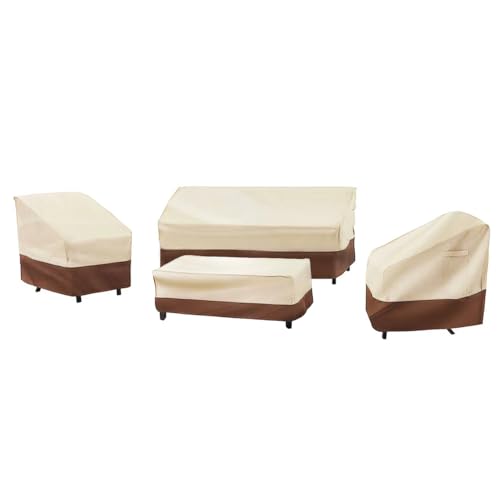
Regularly dusting your outdoor seating can significantly reduce grime build-up over time. A microfiber cloth is ideal for this task, as it effectively traps dust particles without scratching the surface.
Using a soft brush or broom helps to remove debris from hard-to-reach areas. Pay special attention to corners and crevices where dirt tends to accumulate. It’s a quick process that can be incorporated into your weekly cleaning routine.
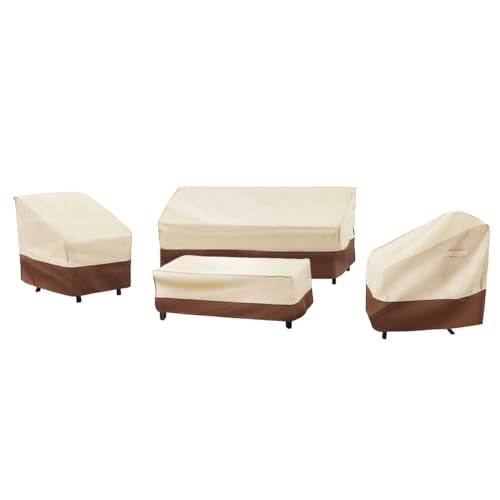


For deeper cleaning, a mixture of mild detergent and warm water works wonders. Gently scrub the surfaces using a sponge or soft brush. Rinse thoroughly with clean water to avoid any soapy residue, which can attract more dirt.
Investing in protective covers will extend the life of your outdoor pieces. These covers shield against dust, moisture, and sun damage, making maintenance much simpler. When not in use, make it a habit to cover your items to keep them looking their best.
Lastly, periodically inspect the items for signs of wear or fading. Addressing these issues early ensures a longer lifespan and keeps your area looking well cared for.
Guidelines for Maintaining Outdoor Seating
Regularly use a soft brush or cloth to remove dust and debris from surfaces. This prevents buildup and helps maintain appearances.
For wooden pieces, apply a protective sealant to repel moisture and UV damage. Reapplication every year keeps the grain intact and vibrant.
Metal seats require occasional inspections for rust. If spotted, sand the area and apply a rust-inhibiting primer followed by paint.
Fabric cushions should be spot-cleaned with a mixture of mild detergent and water. Store them indoors during harsh weather to extend their lifespan.
Don’t forget to check for mold growth occasionally. A solution of vinegar and water can effectively treat affected areas.
Lastly, placing mats underneath furniture can help prevent scratches on surfaces and reduce wear over time.
Choosing the Right Materials for Easy Maintenance
I recommend selecting aluminum or synthetic resin for your outdoor setup. These materials are resistant to rust and fading, making them ideal for prolonged exposure to the elements.
Waterproof and Stain-Resistant Options
Consider cushions made from outdoor-grade fabrics like solution-dyed acrylic. They repel moisture and are easy to clean, helping to prevent stains and mildew buildup.
Wooden Alternatives
If wood is your preference, choose teak or eucalyptus. These hardwoods contain natural oils that protect against moisture and insects, requiring minimal upkeep. A regular application of teak oil will enhance their longevity and appearance.
Cleaning Frequency: How Often to Clean Your Furniture
For optimal maintenance, I recommend a weekly wipe down of the outdoor pieces with a damp cloth. This routine prevents dust accumulation and organic debris buildup. Additionally, a thorough cleaning every month is beneficial, which involves using mild soap and water to tackle tougher stains and grime.
Seasonal Considerations
During spring and summer, my approach shifts to bi-weekly cleaning due to higher pollen levels and increased use. In autumn, after leaf fall, I find it especially important to increase cleaning frequency to prevent leaf stains and mold growth. In winter, a monthly check suffices, though any snow or ice should be promptly removed to prevent damage.
Material-Specific Guidelines
For wooden structures, I recommend treating them with a weatherproof sealant to enhance durability and reduce maintenance frequency. Metal surfaces should be inspected regularly for rust; a quick rinse after rainstorms can help prevent corrosion. For synthetic options, occasional power washing works wonders, ensuring longevity without excess effort.
Best Products for Different Furniture Materials
I recommend using a gentle soap solution for wood pieces. A mix of warm water and mild dish soap works wonders, ensuring the surface remains protected without damaging the finish. After cleaning, a microfiber cloth helps soak up any excess moisture.
For metal items, a vinegar and water solution is highly effective. This natural cleaner tackles rust and grime while being safe for most finishes. Apply it with a soft cloth, and follow up with a dry one to prevent water spots.
If your setup includes plastic elements, a simple mixture of baking soda and water will do the trick. This paste is perfect for scrubbing away stains without scratches. Just apply, scrub gently, and rinse with water.
For fabric upholstery, I swear by a fabric-safe cleaner. Be sure to perform a patch test first to avoid discoloration. Using a brush attachment on a vacuum can help remove dirt and debris regularly.
For cushions and other soft textiles, a solution of soft detergent and water applied with a sponge can effectively lift dirt. Rinse thoroughly and air dry to maintain their shape and color.
With glass surfaces, I’ve found a mixture of equal parts water and white vinegar to be unbeatable. This solution leaves glass sparkling clear without streaks. Always dry with a clean, lint-free cloth.
Using these specific products based on material will not only keep your outdoor sitters looking fresh but can also extend their lifespan significantly.
Environmentally Friendly Cleaning Solutions You Can Make at Home
I often turn to simple, natural ingredients when needing to tackle dirt and grime. One of my favorites is a mixture of equal parts water and white vinegar. This solution works wonders on various surfaces, providing both sanitization and shine without harsh chemicals. Just spray it on, let it sit for a few minutes, then wipe away with a soft cloth.
Baking Soda Paste
For tougher stains, I mix baking soda with a small amount of water to create a thick paste. After applying it to the affected area and letting it sit for about 15 minutes, I scrub gently with a sponge. This method is particularly effective for removing sticky residues while remaining gentle on surfaces.
Citrus Cleaning Spray
A blend of citrus peels and vinegar can make an excellent all-natural cleaner. I place citrus scraps in a jar, cover them with vinegar, and let the mixture steep for a couple of weeks. After straining out the solids, I dilute it with water for a refreshing and effective cleaning spray that smells great while lifting dirt and stains.
Protective Covers: When and How to Use Them
Using protective covers is crucial for prolonging the life of outdoor furnishings. These covers act as a shield against rain, UV rays, dirt, and debris, preserving the integrity and appearance of your items.
Here’s when to implement them:
- During inclement weather: Covers should be placed on outdoor seating and tables when rain or storms are forecasted.
- Seasonal changes: As fall approaches, it’s wise to cover items to shield them from fallen leaves and moisture.
- Extended periods of non-use: If you’re not using your patio items for a while, covers prevent dust accumulation and fading from sunlight.
Proper application techniques can enhance protection:
- Ensure the cover fits snugly around the item to prevent wind from displacing it.
- Use breathable fabric covers to prevent trapped moisture, which can cause mildew.
- Regularly check and clean the covers to avoid mold build-up.
- Store covers in a dry location during off-seasons to maintain their condition.
Investing in quality covers tailored to your specific outdoor pieces will yield the best results. Prioritize materials that are UV-resistant and waterproof for optimal protection.
Storing Furniture During Off-Season: Tips and Tricks
Before the off-season arrives, ensure all items are thoroughly cleaned and dried. This prevents moisture buildup that can lead to mold and unpleasant odors.
Disassemble any stackable chairs or tables to save space and reduce the risk of damage. Use a soft cloth to wrap delicate surfaces or corners to prevent scratches during storage.
If possible, opt for a climate-controlled environment. Extreme temperatures and humidity can warp materials, especially wood and certain plastics. If indoor storage isn’t an option, select a shaded, dry outdoor area that’s protected from the elements.
Invest in high-quality, breathable storage covers. These not only shield against dirt and dust but also prevent condensation from forming underneath. Make sure the covers fit snugly without being overly tight.
Utilize storage bins or containers for smaller items. This keeps them organized and allows for easier access next season. Label each container for quick identification later on.
Keep pest control in mind. Place natural repellents like cedar blocks or herbal sachets in storage areas to deter rodents or insects from making a home in your items.
Regularly check on the stored items throughout the off-season. This allows early detection of any issues like moisture, pests, or damage, ensuring they’re ready for use when the warm weather returns.
Dealing with Stains: Quick Fixes for Common Issues
If you’ve encountered persistent marks or spills, here’s what I do:
- Grease Stains: Absorb excess grease with a paper towel. Apply a mixture of dish soap and water directly to the spot. Let it sit for a few minutes before rinsing with clean water.
- Food Residue: For dried-on food, use a plastic scraper to remove as much as possible. Follow up with a solution of warm water and white vinegar on a cloth to wipe the area. Rinse thoroughly.
- Drink Spills: Quickly dab any liquid with a soft cloth. For stains, using a mild detergent mixed with water often does the trick. Rinse and dry afterward.
- Mildew: Mix equal parts of water and vinegar in a spray bottle. Spray the affected area, let it sit for about 10 minutes, then scrub with a soft brush and rinse.
- Color Transfer: If a colored item has stained the surface, I lightly rub the area with a baking soda paste (mixing water and baking soda). Rinse after scrubbing gently.
These approaches allow me to tackle some common staining dilemmas effectively. Regular spot-checks keep surfaces looking fresh.
Preventing Rust and Corrosion on Metal Furniture
I apply a few key methods to prevent rust and corrosion on metal seating and tables. First, always ensure a dry environment; moisture attracts rust. If I notice dampness, I quickly dry the surface with a soft cloth.
Applying a protective coating, like marine-grade varnish or a specialized rust inhibitor, offers critical defense. I find reapplying this treatment annually significantly prolongs the life of my metal pieces. Also, I avoid using metal cleaners with abrasive components that could damage the finish.
It’s crucial to store metal items in a sheltered area during extreme weather. If found outdoors, I use breathable covers that prevent moisture buildup while allowing air circulation. Regular inspections for scratches and chips ensure any damaged areas are treated promptly to stop rust before it starts.
I also consider using rubber or plastic mats under metal items to minimize direct contact with ground moisture. This simple step helps maintain their integrity over time. I make a habit of periodically checking the condition of my furniture and addressing any signs of wear immediately.
Maintaining Wood Furniture: Specific Care Techniques
Regularly applying a high-quality wood oil or sealant helps preserve the natural beauty of wooden pieces. Use a soft cloth to wipe an even layer across the surface, allowing it to soak in for a few minutes before buffing it dry.
Microfiber cloths are ideal for removing dust and debris. They avoid scratching and hold onto particles effectively. Daily maintenance with a damp cloth prevents grime build-up.
To combat moisture, ensure proper ventilation in the area where wooden items are kept. This practice reduces the risk of mold and warping. If humidity levels rise, use a dehumidifier to maintain an ideal environment.
In case of scratches, a mixture of olive oil and vinegar can serve as a natural wood polish. Apply the mixture with a soft cloth, rubbing along the grain to minimize the appearance of damage.
Check for loose joints or screws regularly. Tightening them promptly prevents further wear and extends the life of the materials.
| Care Technique | Frequency |
|---|---|
| Oil or sealant application | Every 6-12 months |
| Dusting with microfiber cloth | Weekly |
| Ventilation check | Monthly |
| Moisture control | As needed |
| Scratches treatment | As needed |
| Joint inspection | Every 3 months |
Stains from spills should be blotted immediately with a soft cloth. Avoid rubbing, which can push the liquid deeper. For stubborn spots, a mixture of baking soda and water can effectively lift discoloration without harming the finish.
Exposure to sunlight can fade wooden surfaces over time. Use UV-protective sprays or consider placing pieces away from direct sunlight to maintain color integrity.


