Caleb Turner

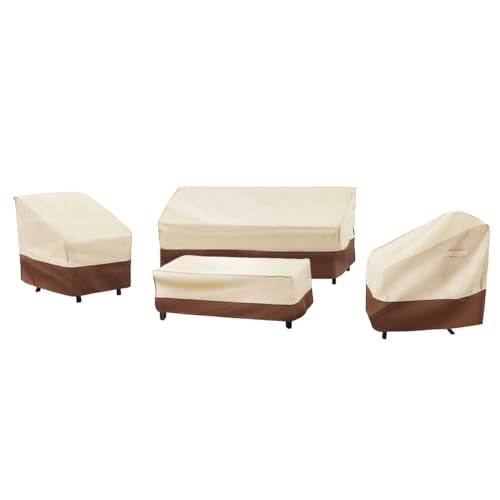
Investing in protective covers is a straightforward way to deter unwelcome visitors from lounging on your cushions. Selecting high-quality, durable materials that fit securely over your seating will create a barrier while enhancing longevity.
Utilizing motion-activated deterrents, like sprinklers or noise devices, can effectively startle unwanted intruders. These gadgets serve as a proactive measure, surprising creatures and discouraging them from returning.
Applying natural repellents is another practical approach. Substances like citrus peels or essential oils derived from peppermint or eucalyptus can create an uninviting aroma for critters, steering them away from your space.


Creating a defined area can also help. Using planters or decorative barriers not only enhances the visual appeal but also delineates boundaries, making the environment less attractive to wayward fauna.
Regularly cleaning and maintaining your outdoor arrangement will discourage animals from viewing it as a comfortable resting place. Ensuring there’s no food residue or appealing scents can diminish the likelihood of their presence.
Strategies for Deterring Wildlife from Patio Items
Utilizing physical barriers has proven useful. Employ netting or grids to cover chairs and tables. This keeps persistent creatures away from direct contact.
Incorporating scent deterrents can also significantly reduce visits. Sprinkling cinnamon, cayenne pepper, or citrus peels around the area acts as a natural repellent.
Implementing auditory distractions helps to scare them off. Wind chimes or motion-activated noise devices can create an environment that feels less welcoming to critters.
| Method | Description |
|---|---|
| Physical Barriers | Use netting or screens to prevent access to seating and surfaces. |
| Scent Deterrents | Apply natural repellents like cinnamon or citrus peels around the area. |
| Sound Repellents | Install wind chimes or motion-activated sound devices that discourage visits. |
Regular cleaning and maintenance also play a role in discouraging unwanted guests. Ensure no food residue or crumbs are left on surfaces.
Lastly, employing bright lights or reflective surfaces can create an uninviting atmosphere for various species, making them less likely to feel at home.
Identify Common Pests and Their Preferences
To address unwanted guests in my seating areas, I’ve learned to identify specific intruders and their behaviors. This approach helps in designing targeted strategies.
- Squirrels:
- Raccoons:
- Birds:
- Deer:
- Insects:
These creatures are attracted to seeds, nuts, and fruits. I avoid placing bird feeders nearby, as they often lead to squirrel visits.
Known for rummaging through trash, they prefer open or unsecured garbage bins. I secure my trash with tight-fitting lids to deter them.
They often seek open surfaces, especially if food is present. Keeping food items inside helps minimize their presence.
These animals are drawn to specific plants, particularly flowering or fragrant ones. I avoid planting species known to attract deer close to my relaxation areas.
Ants and wasps love sugary substances. Regular cleaning and sealing easily accessible food can significantly reduce their chances of intrusion.
Understanding these preferences has been key to creating a less inviting atmosphere, allowing me to enjoy my outdoor relaxation space without disturbances.
Choose Animal-Repellent Materials for Furniture
Opt for synthetic materials like polypropylene or polyethylene for chair and table surfaces. These plastics are resistant to moisture and odors that can attract intruding creatures. Additionally, metal frames are often an excellent choice, as they do not absorb scents or provide a comfortable resting spot for pests.
Consider Textiles
Select outdoor cushions made from solution-dyed acrylic or polyester fabrics. These materials offer UV resistance, preventing fading and wear while also repelling moisture and odors. Apply a water-resistant spray to enhance their longevity and deterrent qualities.
Durability Over Aesthetics
Choose heavy-duty options like treated wood or composite materials that can withstand the elements without showing signs of wear. Incorporating features like slipcovers made from tightly woven fabrics can help deter critters seeking comfortable resting spots. Regular maintenance will ensure that the furniture remains uninviting to any unwanted visitors.
Utilize Natural Deterrents to Keep Animals Away
Citrus peels serve as an excellent natural repellent. I scatter orange and lemon peels around my seating area, as many creatures dislike the strong odor. Refresh the peels weekly for maximum effect.
Another effective option involves essential oils. I use peppermint and eucalyptus oils diluted in water, spraying them on surfaces. A few drops on cotton balls placed strategically can also deter curious critters due to their intense scents.
Herbal Barriers
Planting strong-smelling herbs, such as lavender, rosemary, and mint, around my patio provides a dual benefit of deterring wildlife while adding beauty to the space. The fragrance acts as a natural barrier, dissuading unwanted visitors.
Vinegar Spray
Mixing equal parts of water and white vinegar creates an effective spray that I apply directly on surfaces. The strong scent not only acts as a deterrent but also cleans and deodorizes the area.
Implement Physical Barriers Around Outdoor Furniture
To deter wildlife effectively, installing physical barriers is my first recommendation. Fences or netting can create an impenetrable border around outdoor settings. Opt for materials like chicken wire or sturdy mesh that can withstand animal attempts to breach them.
Fencing Options
Using solid barriers is an excellent choice for preventing access. Wooden or vinyl fences at least three feet high are hard for most critters to jump over. For smaller pests, ensure there are no gaps or spaces below. Using fence spikes on the top can also dissuade climbing attempts.
Furniture Covers and Enclosures
Enclosing items with heavy-duty covers ensures a secure fit, minimizing exposure to curious pests. Consider storage solutions like deck boxes or dedicated sheds for keeping cushions and tables. Moreover, utilizing portable barriers like folding screens can provide a temporary solution during gatherings.
I’ve found that placing these barriers strategically not only enhances the longevity of outdoor items but also contributes to tidier spaces. Implementing these measures creates an uninviting environment for unwanted visitors without sacrificing aesthetics.
Regular Maintenance to Reduce Attractiveness
Regular upkeep of your outdoor seating is non-negotiable. I make it a point to thoroughly clean the surfaces frequently, using a mixture of soap and water to eliminate food residues, spills, and any leftover debris. This minimizes the scents that might draw creatures looking for a meal.
Inspect and Repair
Every so often, I conduct a thorough inspection for any signs of wear or damage. Worn-out cushions should be patched or replaced. I also pay close attention to seams or crevices where small critters might take up residence. Immediate repairs can deter pests from settling in.
Proper Storage
During the off-season or when not in use, storing chairs and tables inside a shed or garage prevents them from attracting unwanted guests. If indoor space is limited, investing in tarps or covers specifically designed for outdoor items will help protect against dirt and minimize the chances of attracting wildlife.
Incorporate Motion-Activated Devices for Deterrence
Motion-activated devices can serve as a reliable deterrent against unwanted visitors. Using options like sprinklers or ultrasonic repellers, I can effectively discourage critters from approaching seating areas and tabletops. These units activate when movement is detected, delivering either a burst of water or an unpleasant sound to the intruding creatures.
Choosing the Right Device
For maximum impact, it’s important to select devices suited for the specific species I want to deter. For example, ultrasonic repellents are particularly effective for rodents while motion-activated sprinklers can help in keeping larger animals at bay. I always place these devices strategically, covering entry points without obstructing the enjoyable atmosphere of my space.
Maintenance and Adjustment
Regular testing ensures the reliability of these deterrents. I check battery levels and functionality, adjusting the sensitivity settings as needed. Frequent repositioning might also be necessary to maintain effectiveness, as animals may adapt over time. Taking these steps helps maintain a comfortable and inviting environment without unwelcome four-legged guests.
Utilize Scent-Based Repellents Effectively
Utilizing specific scents can significantly discourage unwelcome visitors from approaching your seating area. Here are several options I’ve found to be most effective:
- Citrus Oils: Sprays made from lemon or orange oils can repel various creatures due to their strong aromas. Mix a few drops with water in a spray bottle and apply it to your surfaces regularly.
- Vinegar: This common household item is effective at deterring rodents and larger pests. A solution of equal parts water and vinegar can be sprayed directly onto the fabric or storied areas.
- Essential Oils: Oils such as peppermint, eucalyptus, and lavender are particularly strong deterrents. Use them with a carrier oil or mixed with water in sprays for the best results.
Application Tips
- Reapply scent repellents after rain or heavy dew.
- Test any new repel before full application to prevent potential damage.
- Combine several scents for a layered approach; varying aromas can enhance effectiveness.
Employ these aroma-based strategies diligently to create a protective barrier that encourages visitors to choose other spots for their activities.
Educate Neighbors About Responsible Pet Ownership
Discuss the importance of responsible pet management with your neighbors. Make it a point to share information about how pets can impact shared spaces. Offer to organize a community meeting where we can collectively explore strategies for keeping pets well-behaved. This not only fosters a friendly environment but also aligns everyone’s interests.
Key Topics for Discussion
| Topic | Description |
|---|---|
| Training Techniques | Share effective training methods that encourage pets to respect community areas. |
| Proper Supervision | Emphasize the need for vigilant oversight of pets during outdoor activities to prevent unwanted behaviors. |
| Socialization | Encourage proper socialization practices to help pets interact positively with other animals and people. |
| Health and Safety | Highlight the importance of regular veterinary care to ensure pets are healthy and less prone to undesirable behaviors. |
| Community Guidelines | Discuss creating or adhering to communal rules regarding pet behaviors in shared spaces. |
Handout flyers with tips on pet etiquette and responsible ownership to your neighbors. Engage in one-on-one conversations to raise awareness. Encourage pet owners to join in discussions and share their experiences. This collaborative effort can lead to significant improvements in our surroundings.