
 Caleb Turner

Replace standard hardware with higher quality alternatives to elevate the overall aesthetic and durability of your assembly pieces. My go-to is solid brass or stainless steel screws and hinges that not only look better but also last longer than the original components.
Add a fresh coat of paint or stain to personalize and refresh the appearance of these items. Opt for a semi-gloss finish, which is both stylish and easy to clean. I’ve found that a bold color can become a focal point in any room.
Incorporate unique handles or knobs to further distinguish these items. Local antique shops or online boutiques often carry one-of-a-kind pulls that can dramatically change the look of a drawer or cabinet. It’s a simple yet impactful upgrade.
Consider installing LED strip lighting within shelves or behind pieces to create a modern touch. This not only enhances visibility but also adds a warm ambiance, making the space feel more inviting and contemporary.
Lastly, don’t underestimate the power of decorative elements. Adding mirrors, artwork, or plants can breathe life into these setups. Each of these changes creates a harmonious atmosphere that reflects personal style while enhancing functionality.


Personalizing Store-Bought Items
Consider swapping out standard hardware with unique knobs and handles. Opt for vintage or artisan pieces that resonate with your aesthetic.
Color Transformation
Applying a fresh coat of paint or using peel-and-stick wallpaper can drastically change the look of basic pieces. Choosing a bold hue or interesting pattern can breathe life into monotone designs.
Layering Textures
Incorporate textiles such as throws and cushions to add warmth. Textured blankets or patterned pillows can create a more inviting atmosphere in any space.
Adding Functionality
Incorporate additional shelving or storage solutions that enhance usability. Utilize organizers within existing spaces, or attach small racks inside cabinets for more efficient use of space.
Creating a Focal Point
Group items together to form a cohesive look. By placing a few styled items on top of a side table or shelf, you can draw attention to that area effectively.
Mixing Styles
Pair contrasting styles to achieve a unique blend. Combining modern elements with vintage finds can lead to an eclectic yet harmonious feel.
Lighting Awareness
Replace standard light fixtures with decorative options. A statement lamp or stylish pendant light can serve as a conversation starter and enhance the overall ambiance of the room.
Accessorizing Smartly
- Add personal touches such as framed photos or artwork.
- Incorporate plants for a fresh and lively atmosphere.
- Use decorative boxes or trays to organize smaller items.
Adjusting Scale
Consider the proportions of surrounding pieces. Using larger items in smaller spaces can create grandeur, while smaller objects can help maintain an airy feeling in larger areas.
Enhancing Stability with Additional Supports
Adding corner braces to the inside joints of your pieces can significantly increase rigidity. These metal supports distribute weight evenly and prevent wobbling, especially in tall units.
If using a shelving system, consider installing wall brackets to anchor the unit to the wall. This prevents tipping and provides extra support for heavier items. Choosing adjustable wall brackets allows for easy height modifications in the future.
Reinforcing legs with rubber or felt pads enhances grip and stability on different floor surfaces. Opt for thicker pads that absorb vibrations and reduce movement.
For modular systems, connecting pieces with dowels or screws adds sturdiness. I’ve found that pushing dowels more deeply into the joints provides a snug fit that resists separation over time.
Another practical enhancement is using L-brackets at the base of cabinets. This simple addition helps to align the frame and elevates its overall support structure.
Upcycling Ideas for Old Ikea Pieces
Transform your old shelving unit into a vertical garden by attaching small planters to the sides. Use brackets or hooks to secure lightweight pots filled with herbs or succulents. This not only breathes new life into the unit but also adds a refreshing green touch to your space.
Chair to Storage Solution
Convert an unused dining chair into a quirky storage solution. Remove the seat and replace it with a hinged lid, creating a hidden compartment for books or blankets. Paint or varnish the chair to match your existing decor, turning it into both an artistic and functional piece.
Coffee Table Makeover
Elevate a basic coffee table by adding a mosaic top. Use broken tiles, mirrors, or glass pieces to create an eye-catching design. Apply a layer of grout and sealant for durability. This project not only revamps the table but also showcases your creativity.
Using Paint to Transform Ikea Finishes
Choose high-quality chalk paint or furniture paint in your preferred color to refresh the surfaces of your pieces. Prepare the item by cleaning it thoroughly and sanding lightly for better paint adhesion.
Painting Techniques
Apply a primer first if the original finish is glossy or dark, as this enhances the final color. Use a foam roller for larger areas and a brush for edges and details. Ensure each coat dries completely before applying the next one, typically two to three coats are sufficient for a uniform look.
Finishing Touches
After achieving the desired coverage, finish with a clear topcoat to protect the painted surface. Choose between a matte, satin, or gloss finish based on the look you want. This not only enhances durability but also makes cleaning easier.
For a more personalized touch, consider adding stencils or decoupage after the paint dries. This allows for unique patterns and designs that can reflect your style.
Customizing Size: How to Cut and Reassemble
For any installation that needs a size alteration, a circular saw or a jigsaw is essential. Begin by measuring the desired dimensions carefully. It’s crucial to mark the cuts on the panel using a straight edge or a carpenter’s square for precision.
Follow these steps for a successful modification:
- Disassemble the unit if necessary. Remove any attached hardware or components that could obstruct the cutting process.
- Measure the area where the piece will fit, ensuring the new size aligns with your overall plan.
- Mark the cutting line clearly. Use a pencil for visibility, and double-check measurements to avoid mistakes.
- Cut along the marked line using your saw. Make sure to wear safety goggles and a dust mask to protect yourself during the process.
- Smooth the edges after cutting. Sandpaper or a sanding block can eliminate rough edges for a clean finish.
Reassembly comes next:
- Align the cut pieces according to your revised layout. Ensure they fit snugly together before fastening.
- Use wood glue or strong adhesive for added stability, and clamp the sections to hold them in place as they dry.
- Reattach any hardware or functional elements that were initially removed.
- Finish with touch-up paint or stains to blend the cut edges with the remaining surface.
This method allows for a tailored fit in your space, creating a customized piece that meets your specific needs. Always prioritize safety and take your time for the best results.
Adding Storage Solutions for Better Organization
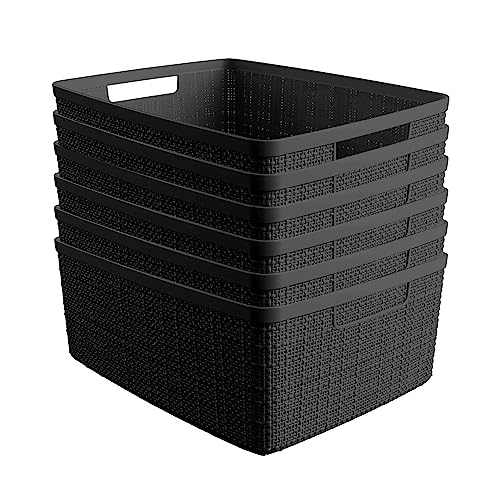
Incorporating bins and baskets is an immediate way to enhance storage capacity. I often utilize open shelving units by placing decorative boxes on the shelves, which not only keeps items organized but also adds an aesthetic touch. Clear plastic bins can be stacked inside cabinets, making it easy to find frequently used items while maintaining a tidy appearance.
Magnetic strips serve as an ingenious solution for vertical storage. I attach them to the sides of my storage units to hold metal kitchen tools or bathroom essentials, maximizing space efficiently. For closets, drawer organizers can transform chaotic drawers into neatly arranged compartments, allowing easy access to accessories or small items.
Utilizing the underside of shelves is another excellent strategy. I affixed hooks or hanging racks beneath the shelves to store items like mugs or tools, saving surface area for other uses.
If you’re dealing with smaller spaces, consider building a custom pegboard on a wall. It’s versatile for hanging various items and can be tailored to fit any room’s decor. I often paint mine to match the surrounding walls, creating a seamless look while remaining functional.
Transforming unused corners with corner shelves can also maximize storage without overwhelming the space. These shelves allow for placing items out of the way while still visible and accessible.
I find that using drawer slides to create a pull-out shelf inside cabinets can significantly improve usability. It makes accessing items at the back much simpler, especially for larger or heavier objects.
Lastly, employing multi-functional pieces, like ottomans with hidden compartments or coffee tables that double as storage units, contributes to keeping areas organized while also serving practical purposes.
Integrating Lighting for Improved Ambiance
To enhance the atmosphere in a room, consider incorporating LED strip lighting along shelves or the edges of furniture pieces. This not only provides a warm glow but also highlights decorative items and creates a cozy environment.
Using floor or table lamps can fill empty corners with soft light, drawing attention to areas of interest. Choose lamps with adjustable brightness to cater to different moods throughout the day.
Incorporating smart bulbs allows for customization of color and intensity, enabling me to change the vibe based on daily activities or occasions. Setting them on a schedule ensures that the space is always welcoming upon arrival.
Wall sconces can add elegance and maximize wall space while distributing light evenly. I prefer adjustable sconces that I can direct as needed, providing both functionality and style.
During the evening, utilizing layered lighting–combining ambient, task, and accent lights–creates depth and makes the setting feel more inviting. Positioning mirrors to reflect light from windows or fixtures can amplify brightness without adding extra sources.
For outdoor areas, string lights draped across patios or balconies create a festive touch. Solar-powered options are particularly appealing, reducing the need for electrical outlets while maintaining a charming atmosphere.
Incorporating these lighting solutions not only enhances the aesthetic appeal but also transforms the usability of the space, making it feel more expansive and inviting.
Personalizing Fabrics and Textiles for a Unique Look
Choose upholstery or curtains that reflect your style. I often pick bold patterns or colors to make a statement. Consider using fabric paint or stencils to add personal touches to plain textiles.
Reupholstering is an effective method to refresh seating. I select durable fabrics that match my interior while providing comfort. Always opt for easy-to-clean materials in high-traffic areas.
Layering textiles can add depth. I combine different textures such as linen, velvet, and cotton for a cozy feel. Using a mix of throw pillows with varying patterns and shapes creates a more inviting atmosphere.
DIY projects can transform standard items. I often sew simple slipcovers for chairs, allowing for seasonal changes or a quick refresh. Adding fringe or piping can give a tailored finish.
Incorporating table runners or fabric placemats can enhance dining experiences. Using seasonal fabrics ensures that the table setting feels fresh throughout the year.
| Fabric Type | Ideal Use | Cleaning Method |
|---|---|---|
| Linen | Cushions, Light Curtains | Machine Washable |
| Velvet | Sofas, Chairs | Spot Clean Only |
| Canvas | Slipcovers, Bags | Machine Washable |
Accessorizing with textile remnants can yield beautiful results. I often stitch smaller pieces together for quilts or other decorative items that showcase my creativity while minimizing waste.
Don’t overlook the impact of seasonal decorations. I change throws and pillows with the changing seasons to keep the atmosphere dynamic and engaging throughout the year.
FAQ:
What are some ways to enhance the stability of IKEA furniture?
To improve the stability of IKEA furniture, you can take several practical steps. First, ensure that all screws and fittings are tightly secured according to the assembly instructions. Using wall anchors can be beneficial for larger pieces like bookshelves or cabinets, preventing tipping. Additionally, placing furniture on a level surface and using non-slip pads under the legs can help. For further support, consider adding extra corner brackets to chairs or tables, or using adhesive felt pads to cushion and stabilize connections between components.
How can I customize IKEA furniture to suit my style better?
Customizing IKEA furniture is a fun way to express your personal style. You can start with paint or wood stain to change the finish of pieces like dressers or shelves. Upholstering seats or adding new cushions can drastically change the look of chairs or benches. Hardware replacements, such as unique knobs and handles, can also give a fresh feel to cabinets and drawers. Additionally, applying removable wallpaper or decals can transform surfaces without permanent changes. You might even consider combining different pieces to create a unique look that fits your home.
Are there any tips to improve the functionality of IKEA furniture?
To boost the functionality of IKEA furniture, consider implementing multi-purpose solutions. For example, select ottomans that offer storage space or tables with extendable features. Adding organizers inside drawers can maximize utility, while hooks or racks can be installed on the sides of cabinets for additional storage. You might also think about rearranging furniture to create more open space or reconfiguring modular pieces for different needs. Lastly, incorporating lighting, such as clip-on lamps or under-shelf lights, can enhance both functionality and ambiance.
What common issues might I encounter with IKEA furniture and how can they be fixed?
Common issues with IKEA furniture include misalignment and wear over time. If you notice doors that don’t close properly or drawers that stick, adjusting the hinges or slides can often solve the problem. For wear and tear on surfaces, applying a fresh coat of paint or lacquer can rejuvenate the appearance. In cases of scratches, consider using a furniture repair marker or wax crayon to blend imperfections. For stability, reinforcing connections with additional hardware can prevent wobbling in frequently-used pieces. Regular maintenance, like tightening screws, will help keep your furniture in good condition.


