Caleb Turner
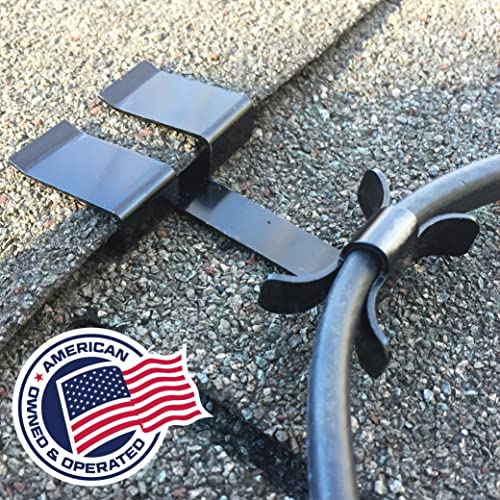
Opt for adhesive cable clips to keep wires neatly secured along walls or under surfaces. These clips are easily attached and can be repositioned as needed.
For a seamless look, consider fabric cord covers that blend with your room’s decor. These flexible solutions can be painted or easily chosen to match existing colors, ensuring a harmonious appearance.
If you’re looking for a more permanent option, creating a hidden channel in or beneath pieces can provide an uncluttered finish. This method requires a bit of woodworking but yields excellent results.
Another practical approach is to use decorative boxes or baskets strategically placed to obscure cords while maintaining accessibility. These can stylishly camouflage unsightly connections without sacrificing functionality.


Finally, regularly reassess your setup. As technology changes, better methods may become available, ensuring your space remains organized and visually appealing.
Concealing Cables for a Neat Appearance
Use adhesive cable clips along the back edge of the piece, securing wires tightly to prevent visible clutter. Choose clips that match the color of your surfaces for a more seamless look. Opt for fabric or vinyl cord covers that can blend with the wall or flooring color. These covers can be painted or customized to match your decor.
If there’s a gap between the wall and your unit, consider fabric or decorative baskets to store excess lengths of wire. Utilize a power strip with a built-in management system to keep everything orderly at the base of your arrangement. Position it in a less visible spot, ensuring that outlets remain easily accessible.
When necessary, I’d recommend running lines along the floor rather than against walls. This approach minimizes visibility while also preventing tripping hazards. Use foam pipe insulation for a soft touch, attaching strips securely with tape or clips to further camouflage them.
For a stylish twist, incorporate decorative screens or small plant stands to obscure view lines. These elements can contribute to the overall aesthetic while performing a functional role. Consider using furniture with built-in storage capabilities, which can discretely house technology components and their associated wiring for a streamlined effect.
Assessing Your Space for Cord Management
To efficiently manage wires in any environment, I begin by analyzing the layout and potential obstacles. First, I map out the exact locations of power sources and devices. This allows me to minimize the length of each wire, reducing clutter.
Identifying Key Areas
I identify high-traffic zones where wires may pose tripping hazards. By strategically placing items away from these paths, I create a safer and more organized atmosphere. Additionally, I assess which pieces of equipment can be grouped together, further shortening the distance between plugs and devices.
| Item | Key Consideration |
|---|---|
| Television | Position near existing outlets, consider wall mounts for minimal visibility. |
| Computer Desk | Ensure easy access to outlets; keep surfaces clear by using cable management trays. |
| Entertainment Center | Use decorative boxes to conceal power strips and organize miscellaneous wires. |
Utilizing Furniture for Concealment
I consider the placement of my furniture as a way to naturally obscure wiring. Arranging pieces in a way that allows me to tuck away visual clutter creates a more appealing aesthetic. Employing furniture with built-in wire management features can significantly enhance organization. This approach not only streamlines the look of my space but also provides practical solutions for maintenance.
Choosing the Right Furniture Arrangement
I recommend placing larger items against walls to create an open space. This setup minimizes visual clutter and allows for easier organization of wiring. Ensure that any media consoles or desks are accessible to outlets, but positioned in a way that obscures any visible cables. Consider floating shelves to elevate devices off surfaces, granting a clean look while offering more flexibility for routing wires.
Utilizing Multi-Functional Pieces
Selecting furniture with built-in storage can significantly benefit tidy arrangement. Ottomans or coffee tables with concealed compartments not only serve a practical purpose but also provide quick access to necessary items without displaying unsightly connections. Choose benches or side tables that can double as storage for electronic components, further enhancing the aesthetic appeal.
Focal Point and Flow
Establish a focal point in the room, such as a media unit or large artwork, to guide the arrangement. Position seating around key elements, ensuring ample space for movement while keeping cables out of sight. This orientation fosters a conversational flow and can cleverly conceal wiring within a central area. Use area rugs to define spaces and help keep trailing cables together, promoting an organized appearance.
Using Cable Clips and Adhesive Strips
For a streamlined setup, I recommend utilizing cable clips and adhesive strips. These tools are straightforward to implement and highly effective for securing wires along walls or furniture edges.
Choosing the Right Clips
When selecting clips, opt for those designed specifically for your cable type. For instance, round clips are ideal for thicker cables, while flat clips work well for thinner ones. Ensure the adhesive is strong enough to maintain grip on various surfaces. I prefer clips with a strong backing, which can hold the weight without peeling off.
Placement Strategy
Strategically position the clips to keep cables taut and unobtrusive. I typically place clips about every foot along the edges of the wall or furniture, avoiding any sagging that may become visible. For an even cleaner look, I align clips with the furniture’s edges, allowing the cables to blend seamlessly into the surroundings.
Adhesive strips can also be beneficial. They provide a more versatile solution where clips cannot be easily attached. Strong double-sided tape allows for quick and efficient organization, without leaving marks when removed. I often place these strips on the underside of desks or along the back to maintain a tidy appearance.
In conclusion, using cable clips and adhesive strips not only enhances aesthetics but also simplifies the management of cables. Adequate planning and strategic placement make a considerable difference in achieving a clutter-free environment.
Employing Cable Management Boxes
For a neat appearance, I recommend using cable management boxes. These containers effectively conceal excess wiring while offering a tidy solution for multiple cables. Consider the following tips:
- Choose a size that accommodates all your wires without being overcrowded.
- Look for boxes with ventilation holes to prevent overheating of devices.
- Select a design that complements your interior aesthetics, ensuring it doesn’t stand out.
Placement is key. Position the box close to your power outlet yet discreetly out of sight. This arrangement minimizes visible wiring, allowing easier access when needed.
For added organization, utilize labels on each cable entering the box to simplify identification later. This strategy is particularly useful in managing power strips or multiple electronic devices.
Regularly assess the contents of the box. Remove any redundant cables to maintain a clutter-free environment. Keeping the area clean not only enhances visual appeal but also improves safety and functionality.
Exploring alternatives, some manufacturers offer boxes integrated with charging ports, allowing quick access for device charging without exposing wires. This dual functionality can further streamline the space.
Creating a Concealed Wall Outlet
Install an in-wall outlet to achieve a streamlined look and minimize visible wires. Begin by selecting a location near your devices for easy access. Use a stud finder to ensure you don’t drill into any structural elements and mark the spot.
Cut a hole in the drywall using a drywall saw, making sure it’s the correct size for the outlet box. Also, cut a corresponding hole on the opposite side of the wall if necessary, especially for feeding cables through. It’s vital to adhere to local electrical codes. If you’re uncertain, consult a licensed electrician.
After the holes are prepared, run electrical wire from the power source to the new outlet location, securing it with staples along the wall studs. Connect the wires to the outlet following the manufacturer’s instructions, ensuring a safe and secure connection.
Once the outlet is installed, you can cleverly route your device cables through the wall, maintaining a tidy appearance. Finish by replacing the drywall and patching any imperfections, and paint to match the surrounding area for a seamless look.
Installing an inset power source allows for controlled access while keeping the environment uncluttered and visually appealing. This practical approach enhances functionality without sacrificing aesthetics.
Utilizing Decorative Fabrics for Camouflage
I often choose engaging fabrics to obscure unsightly wires. A simple yet effective way is draping a beautiful fabric over a table or shelf. This not only transforms the look but also conceals any mess beneath.
<p Selecting printed or textured materials adds depth and interest. I prefer bold patterns that draw the eye away from the clutter. Soft textiles, such as cotton or linen, can give a cozy feel while serving the purpose of hiding disarray.
For a more advanced solution, I once created a custom slipcover. It perfectly matched my decor while ensuring functionality. Tailoring the fabric allows for strategic openings where devices connect without exposing the entire setup.
Additionally, I use fabric bins or boxes lined with attractive textiles. These provide a seamless solution for storage, keeping everything organized and out of view. It’s a chic approach that enhances the room’s aesthetics.
Lastly, I utilize wall-mounted fabric panels to create a soft division in space. Not only does this serve as a decorative feature, but it also effectively masks any visible clutter in a stylish manner.
Customizing Furniture for Cord Storage
Transforming your items for better wire management can significantly enhance your living space. Consider these practical adjustments for your pieces:
- Incorporate Built-in Storage: If you’re handy, create compartments in bookshelves or entertainment units specifically for your cables. This allows for discreet storage that keeps everything organized.
- Select Multi-functional Pieces: Choose tables or benches that come with drawers or hidden spaces. Pieces that serve multiple purposes can help manage unsightly wires while reducing clutter.
- Modify Existing Furniture: Adding or altering panels to the back of a console or desk can create a partition that routes wires neatly while obscuring them from view.
- Use Fabric Covers: Attempting slipcovers or attractive fabric drapes can camouflage exposed wiring elegantly. Opt for patterns and colors that match your decor.
- Attach Cable Management Solutions: For custom installations, consider adding grommets or cable outlets directly into your furniture. This enables easy access while keeping everything organized.
These strategies will not only declutter your environment but also enhance the overall aesthetic of the space. Investing time into customizing your items can lead to a more polished look in your home.
Maintaining Accessibility for Plugging and Unplugging
Position your electrical devices where they remain easy to reach without compromising visual appeal. This can be achieved by keeping outlets accessible and ensuring that appliance locations allow for simple connections and disconnections.
Key Tips
- Place frequently used devices near outlets to minimize any hassle when connecting or disconnecting.
- Consider using power strips with built-in switches for easy access and control over multiple devices.
- Leave a little slack in each cable to avoid tension and potential disconnection issues while maintaining a neat arrangement.
Organizing with Labels
Identify each device with labels near the outlet. This practice helps in quickly recognizing which device corresponds to which plug, making the process of managing connections seamless.
- Use color-coded labels for devices that need regular attention, like chargers and audio-visual equipment.
- Place labels on both the cord and the plug for instant visibility and improved organization.
Incorporating these strategies ensures that I keep my space organized while allowing for easy access to my equipment whenever necessary.
Regularly Reviewing and Updating Your Setup
Conduct assessments of the current configuration every few months. This practice enables the identification of new equipment that may necessitate additional management strategies or adjustments in the arrangement of existing items.
Check for signs of wear on your organization materials, like cable ties or adhesive strips. Replace any worn-out elements promptly to maintain an orderly environment.
Consider the influence of changing technology. As devices evolve, their power and connectivity needs may require modifying existing setups. Regularly evaluate your technology landscape to adapt accordingly.
Seasonal changes could also affect your approach. Depending on weather conditions, shifts in humidity might influence how cables and management solutions perform. Adjust setups as needed during seasonal transitions.
To facilitate future modifications, document your current layout. Taking photos or creating simple diagrams can streamline the process of reconfiguring arrangements or addressing new challenges.
| Checklist for Regular Review |
|---|
| Assess current layout for functionality |
| Inspect management materials for wear |
| Evaluate technological needs for updates |
| Adapt to seasonal environmental changes |
| Document setup for future reference |
Engaging in this ongoing maintenance will contribute to a neater space and enhance usability. Regular updates keep the area efficient and enjoyable, allowing for an optimal experience.