Caleb Turner

For achieving a stunning soft charcoal look on your surfaces, mixing equal parts of white paint and a suitable gray paint creates the perfect wash. This blend creates a translucent effect, allowing the wood grain to show through while gaining that desired hue. Ensure the paint is water-based for efficient cleanup and minimal odor.
Before starting, thoroughly clean the pieces, removing dust and grease. A light sanding will help the paint adhere better. I prefer using a foam roller for applying the mixture–this technique provides an even coat and allows for better control over the opacity. Always test in an inconspicuous area to fine-tune the color before applying it to visible surfaces.
After the base layer dries, a slightly damp cloth can be used to wipe off excess paint, achieving that perfect rustic finish. If you prefer a more pronounced effect, adding another layer is straightforward–just be sure to wait for the first coat to fully dry. Once satisfied, sealing with a clear topcoat ensures durability and protects the finish from wear, maintaining the beautiful appearance over time.
Transforming Your Surfaces
I recommend beginning with a clean, smooth layer by thoroughly wiping down your pieces to eliminate dust and grime. This ensures proper adhesion of the subsequent layers. After drying, choose a base coat in a muted shade, applied with a brush or roller to achieve an even finish. Allow it to set completely before moving on.

Mixing Your Tint
For the tinted treatment, blend equal parts of water and a light-colored stain. This will create a translucent appearance that highlights the underlying surface, offering depth and character. Use a paintbrush or cloth to apply this mixture, working it into the surface to avoid streaks. Wipe off any excess within a few minutes to prevent it from becoming too dark.
Sealing the Look
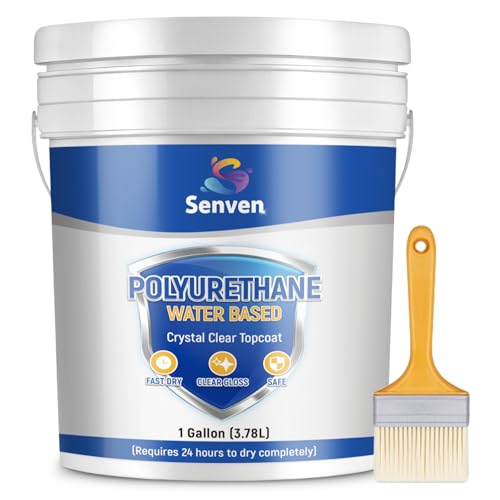
After your tinted layer dries, seal the surface with a clear polyurethane topcoat for durability. A water-based version is preferable as it dries quickly and provides a non-yellowing finish. Apply it with a foam brush for smooth application, ensuring even coverage across all areas. This protective layer enhances longevity and adds a subtle sheen to the finish.
Choosing the Right Type of Surface for a Weathered Effect
Opt for a finish that has a smooth or slightly textured surface. This allows the diluted paint solution to adhere properly and create the desired effects without clumping. Try to select planks that are free from excessive patterns or high gloss, as these features can interfere with the final look.
Medium-density fiberboard (MDF) is an excellent choice due to its dense composition, which absorbs color evenly. If you prefer a more natural appearance, look for pressed wood with a wood grain that is subtle yet allows for the application of the lighter hues.
Evaluate the thickness of the surface material. Thinner boards may bend under weight and strain, while thicker options offer sturdiness. Ensure that you choose a robust piece suitable for the intended use after treatment.
Always test your technique on a small, inconspicuous area first. This practice allows you to experiment without compromising the entire surface. Keep in mind that lighter shades may require more applications for a consistent finish, which can influence your choice of base materials.
Finally, consider the existing color scheme of your space. Selecting materials that can complement or contrast beautifully with existing decor can enhance the final outcome, making it a more integrated part of your interior design.
Preparing Your Laminate Surface for Treatment
Thoroughly clean the surface with a blend of mild soap and water to eliminate dirt and grease. Use a soft cloth or sponge to avoid scratching. Rinse with clean water and let it dry completely.
Inspect and Repair
Carefully examine the piece for any chips, scratches, or imperfections. Fill small dents with wood filler and sand smooth once dry. For larger damages, consider using contact paper or a matching laminate repair kit to restore the integrity.
Sanding the Surface
Lightly sand the surface with fine-grit sandpaper (around 220 grit). This step will enhance adhesion by creating a rough texture. Wipe down with a damp cloth afterward to remove any dust created by sanding.
Mixing Your Gray Wash Solution: A Step-by-Step Guide
Begin by gathering your materials: water, white paint, and a suitable mixing container. I recommend using a ratio of 1 part paint to 2 parts water for a more transparent effect. Adjusting this ratio can easily create a darker or lighter look, depending on your preferences.
Pour the paint into the container first, followed by the water. This order ensures easier mixing. Using a stir stick or a paint mixer, combine the two thoroughly until the solution is smooth and uniform. Make sure there are no lumps that could affect the application.
After mixing, test the solution on a scrap piece of the same surface. This allows you to assess the opacity and ensure it meets your expectations. Make adjustments if necessary by adding paint for a richer tone or more water for a lighter finish.
Once satisfied, pour the mixture into a clean paint tray or container. You’re now ready to start application, but it’s crucial to keep the solution mixed as you work. Use a stir stick to agitate the mixture periodically.
By following these steps, you can create the perfect solution tailored to your project, achieving the desired aesthetic with ease.
Applying the Gray Wash: Techniques and Tips
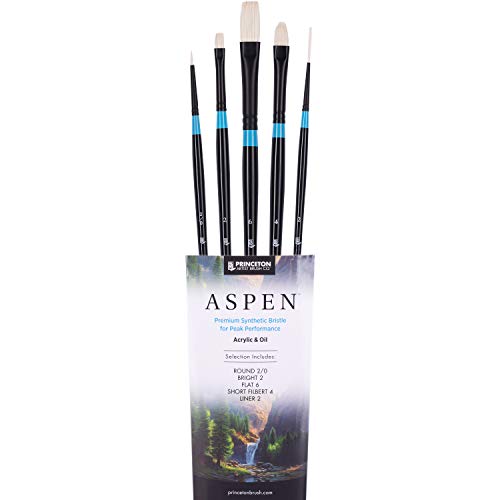
For an even and appealing finish, I recommend applying the mixture with a high-quality synthetic brush. This type of brush allows for better control and smooth application. Make sure to work in sections, covering only a small area at a time to prevent uneven drying.
First, I dip the brush into the solution lightly, then remove excess liquid to avoid drips. Starting from one corner, I apply the mixture using long, sweeping strokes, following the direction of the surface grain. This technique helps to enhance the texture of the material and gives a more natural look.
To achieve varying tones, I suggest experimenting with different dilution levels. I often try a more diluted version in certain areas to create depth. Adding more water to the blend can allow subtle variations in hue that enhance the aesthetic appeal.
After applying the solution, I wipe off the excess with a clean, lint-free cloth for a softer appearance. I prefer a slight, translucent look rather than a heavy coating. This step can significantly affect the final look, so don’t skip it.
Always test on an inconspicuous area before full-scale application. This allows me to see how the blend interacts with the surface and adjust as necessary. Keeping a detailed record of my mixtures helps for future projects.
Finally, allow the applied mixture to dry completely before handling the item. I generally wait at least 24 hours to ensure that everything is set properly. Finishing off with a protective topcoat can enhance durability and maintain the desired finish.
Sealing and Finishing Your Gray Washed Furniture
For a durable and aesthetically pleasing result, I use a high-quality sealant after applying the treatment. Water-based polycrylic is my go-to choice because it dries quickly and offers excellent protection without altering the visual finish. I aim for a matte or satin finish, depending on my desired look.
Before sealing, I always let the treatment cure for at least 24 hours. This step ensures that the finish adheres properly. Once cured, I apply the sealant using a synthetic brush or foam applicator for an even coat. Here’s a quick table of my sealing process:
| Step | Description |
|---|---|
| 1 | Ensure the surface is clean and dry. |
| 2 | Choose a water-based polycrylic for sealing. |
| 3 | Apply the first coat with a synthetic brush. |
| 4 | Allow the first coat to dry completely, typically 2-3 hours. |
| 5 | Sand lightly with fine-grit sandpaper between coats. |
| 6 | Apply a second coat for added durability. |
| 7 | Repeat sanding and coating as needed for optimal finish. |
I recommend applying at least two coats of sealant for maximum protection, particularly for items that will see regular use. Once the final coat dries, I inspect the surface for any uneven areas. If necessary, I do a light sanding followed by another thin coat. This refining process enhances the overall finish and longevity.
After sealing, I let the piece cure for an additional 48 hours before using it to ensure everything is properly set. This patience pays off in a well-finished product that stands the test of time.
Maintaining Your Gray Washed Furniture
Regular cleaning is the foundation for preserving the aesthetic of your treated surfaces. Use a damp cloth with a mild soap solution to wipe off dust and stains. Avoid harsh chemicals that could strip the finish, causing discoloration.
Routine Care
Avoid excessive moisture by promptly wiping up spills. This practice reduces the risk of water damage. For deeper cleanliness, perform a light sanding with fine-grit sandpaper every few months to maintain a smooth texture and enhance the finish.
Periodic Touch-Ups
Every year, inspect the surface for wear or fading. If needed, reapply the protective sealant to keep the finish beautiful. A thin layer will revitalize the appearance while providing additional protection. Mix a small batch of your original treatment solution for touch-ups if necessary.